§ The long memory
Living heritage
Suzhou is not a preserved town. It is a working city with a very long memory — and a set of crafts, sounds and building traditions that are still being practised, taught and argued over.
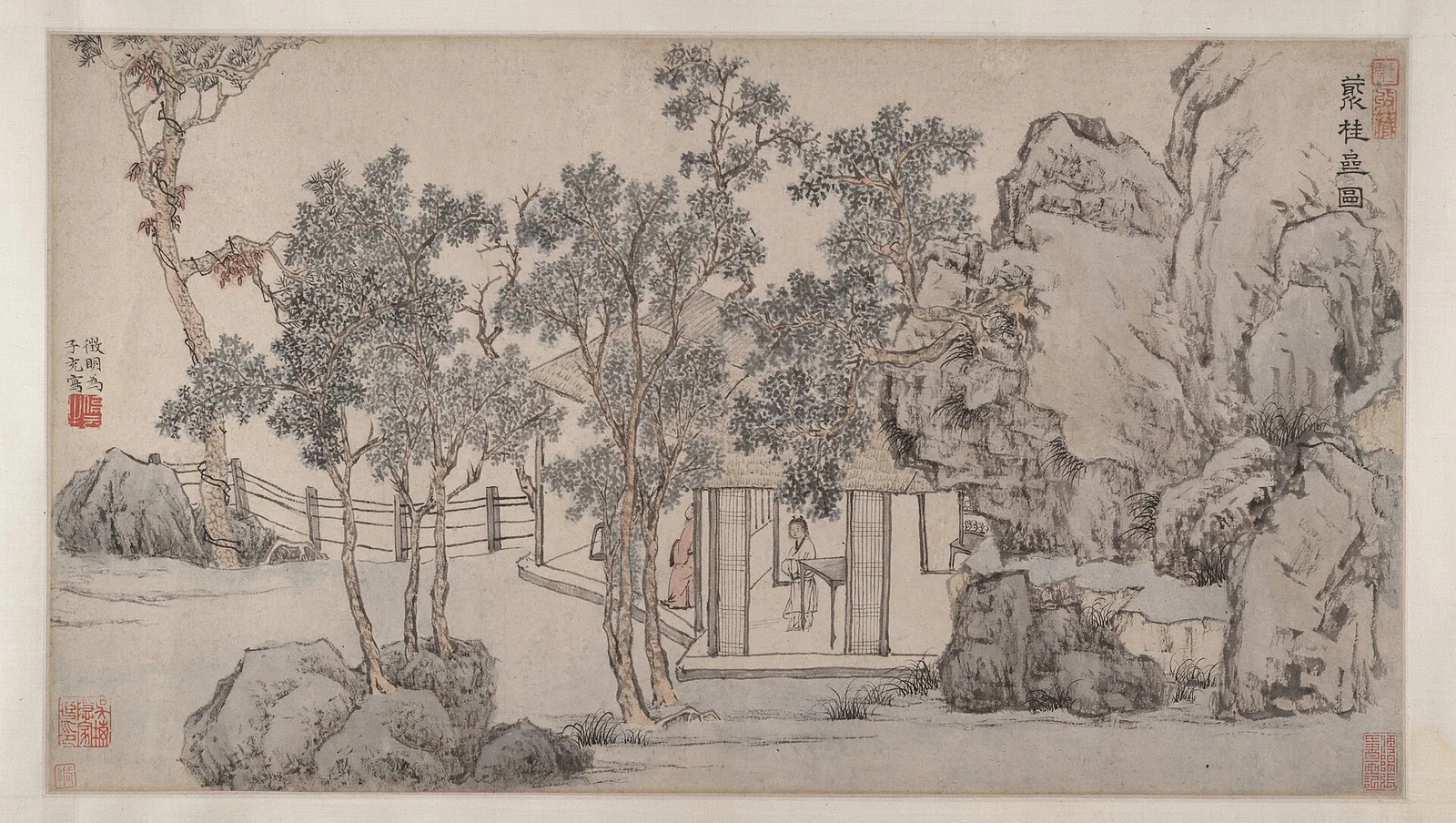
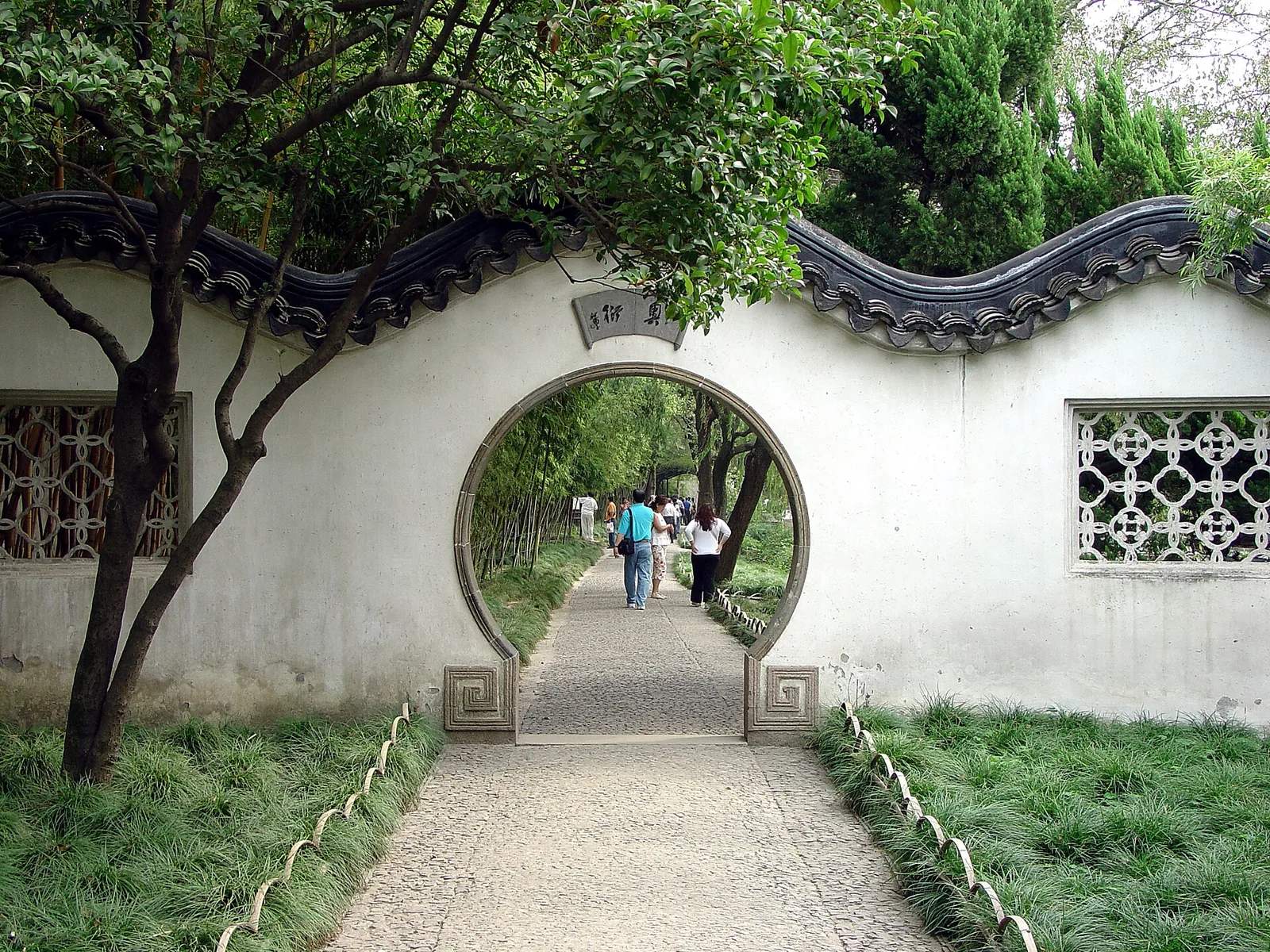
Most visitors meet Suzhou through its gardens. That is a good beginning and a misleading one. The garden is the visible tip of a system: water management, silk money, examination scholarship, craft guilds, opera, printing and a particular way of looking at the world. Take the garden away and the system still explains the city. Take the system away and the garden becomes scenery.
This section is about that system. It runs from the Wu capital and the Grand Canal to the UNESCO listings, the Xiangshan craftsmen who built the gardens, the Wu School painters, and the silk, print, fan, qin and furniture traditions that are still alive in workshops and museums. Some are world-famous. Some are almost invisible unless you know where to look.
It is also a practical section. Each guide tells you where to see the real thing, what to skip, and how to avoid the most common mistakes. Heritage is not a list of labels. It is a way of spending your time well.
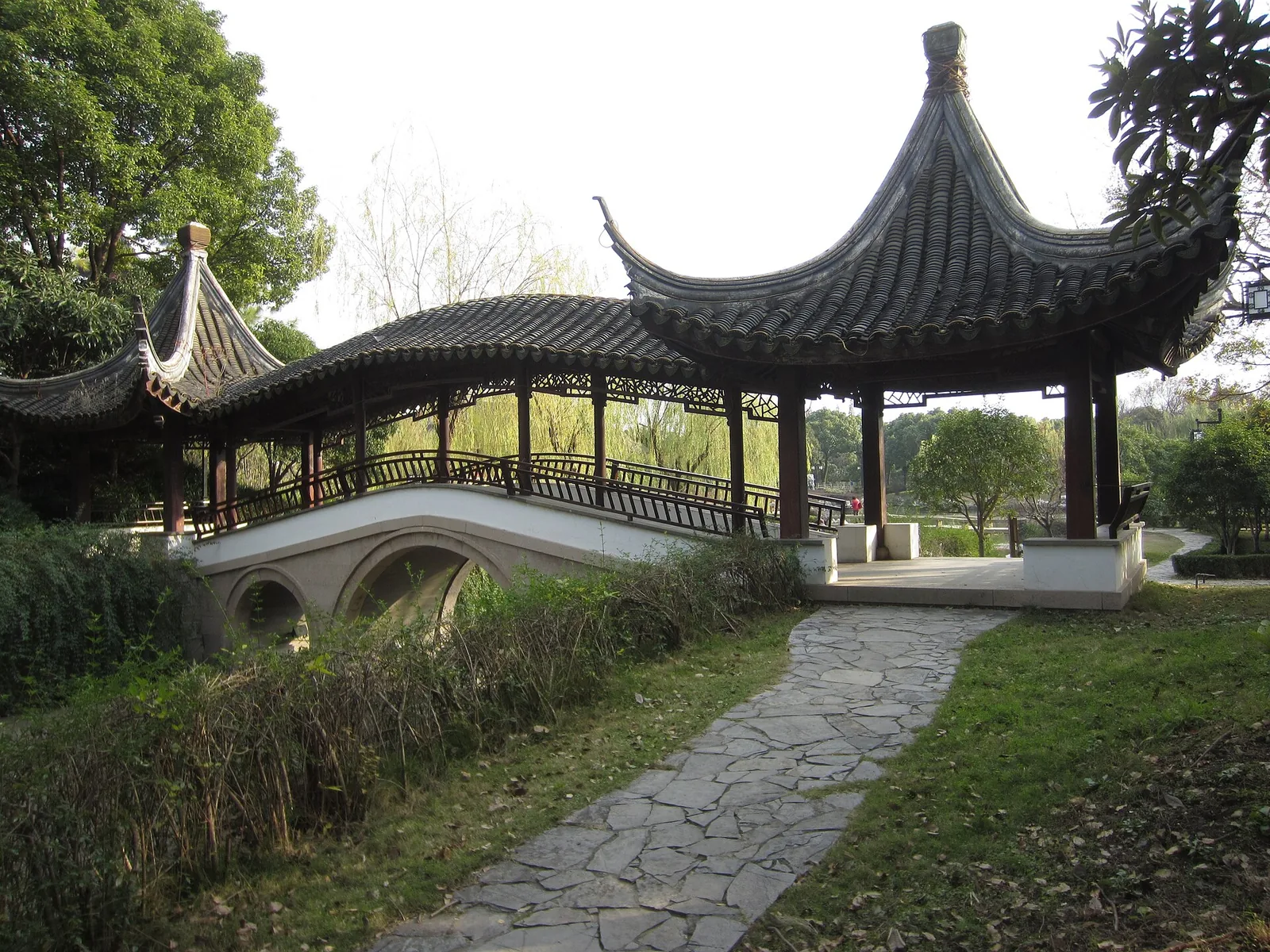 02 What UNESCO actually protects in Suzhou Suzhou has two World Heritage sites and a hand in several UNESCO-listed traditions. The labels are useful, but they are also widely misunderstood. Here is what is actually listed, why it matters, and what the list leaves out.
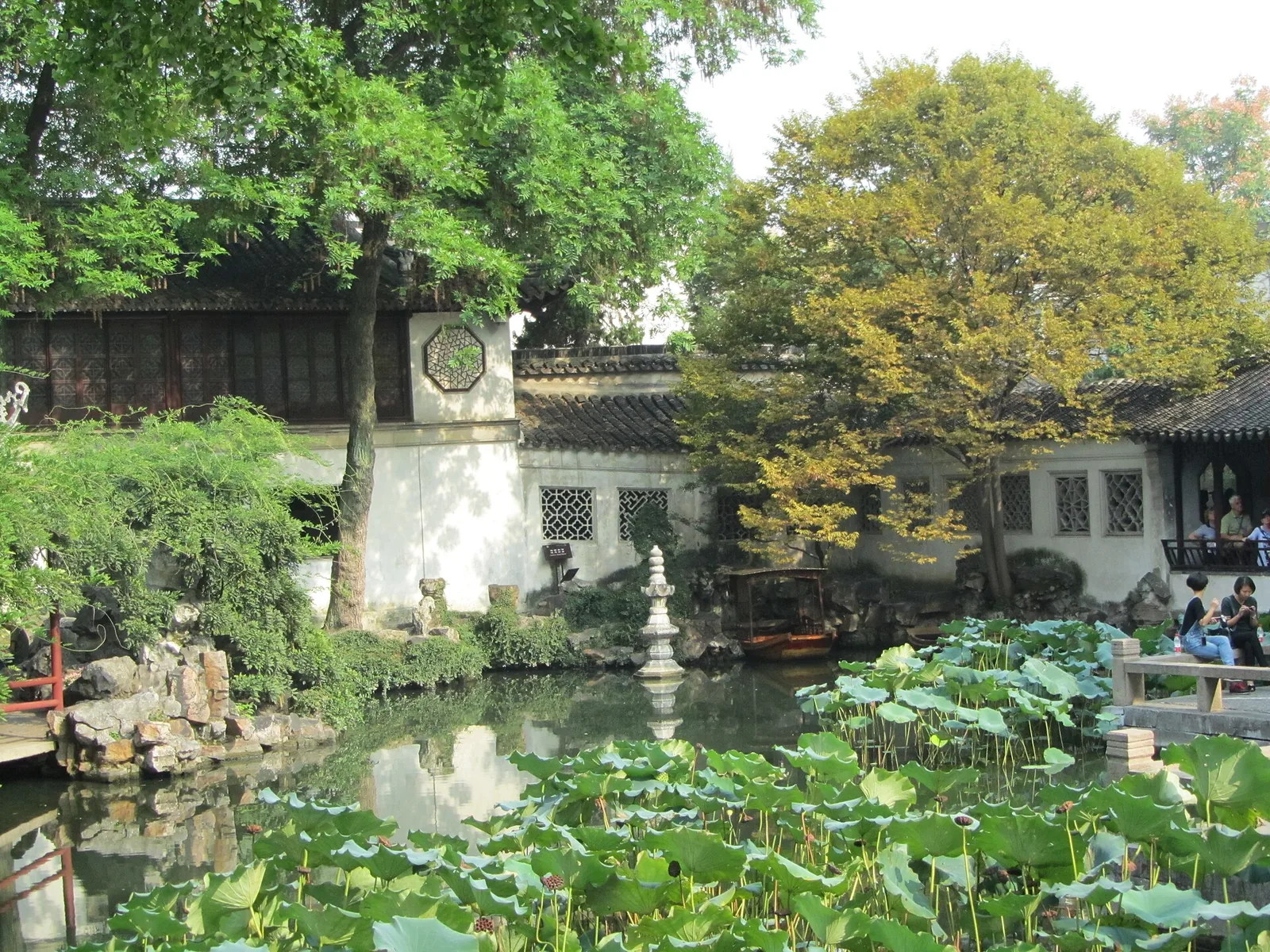 03 The Xiangshan craftsmen who built the gardens The gardens are usually described as the work of scholars. They were built by craftsmen from a group of villages west of Suzhou, whose timber-frame tradition is now recognised by UNESCO.
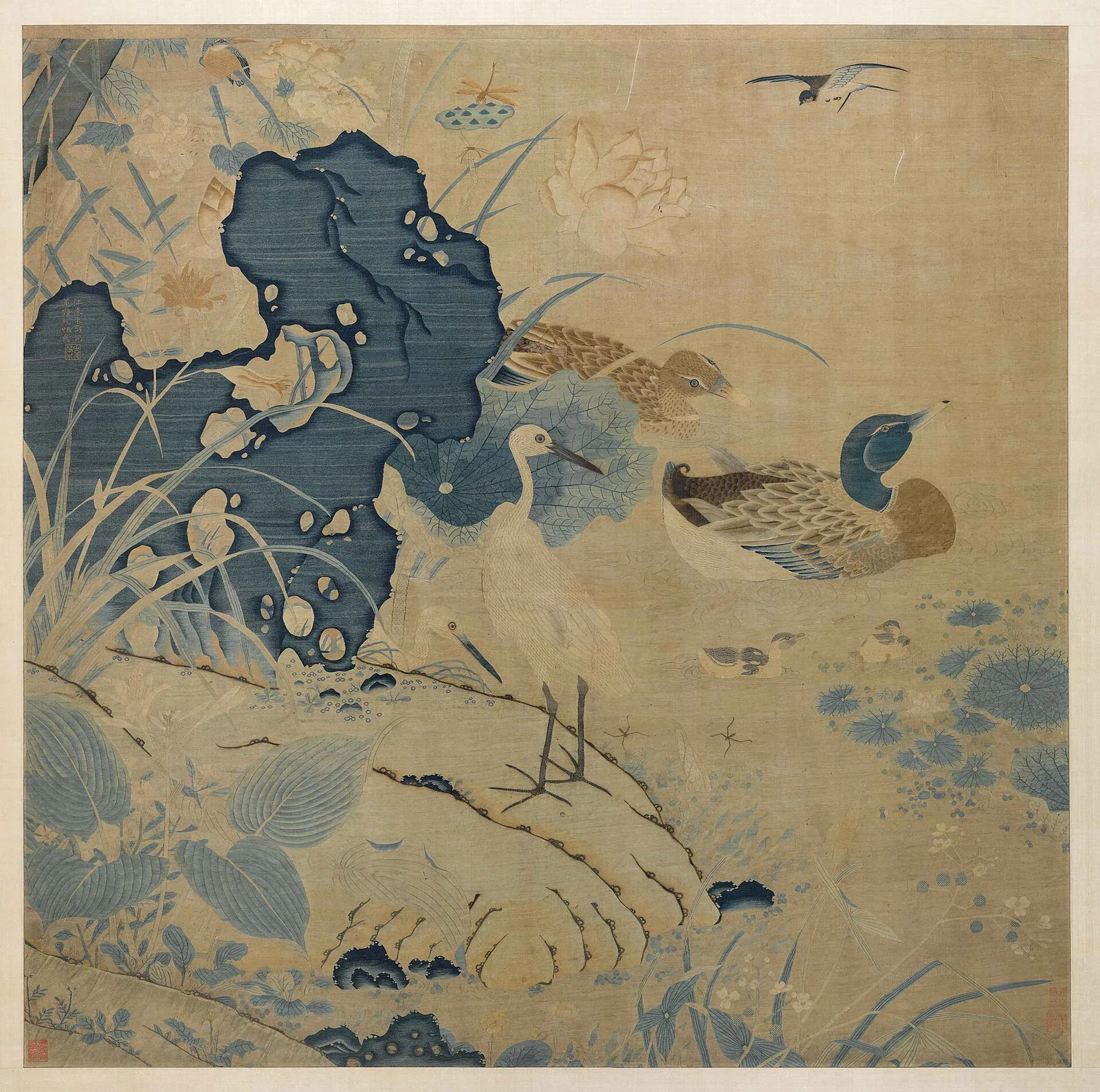
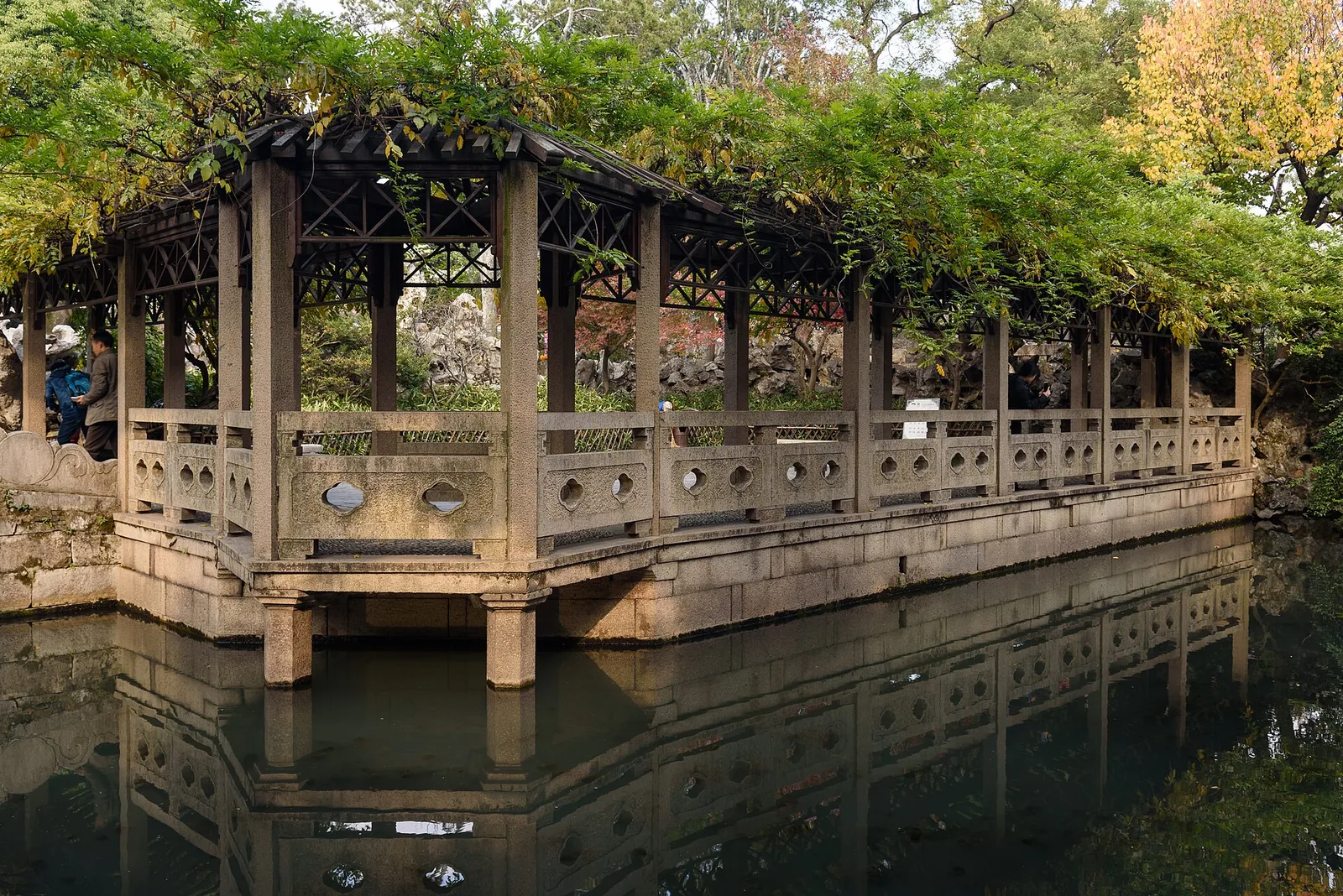 04 The scholar’s city Suzhou’s greatest export was not silk. It was a way of living: the scholar’s garden, the painter’s studio, the teahouse, the printed book. The city trained generations of the Chinese elite and gave them a visual language. 05 Song brocade and kesi Suzhou’s silk story has two technical peaks: Song brocade, a patterned weave, and kesi, a tapestry technique that can copy a painting thread by thread. They are often confused. They are not the same craft.
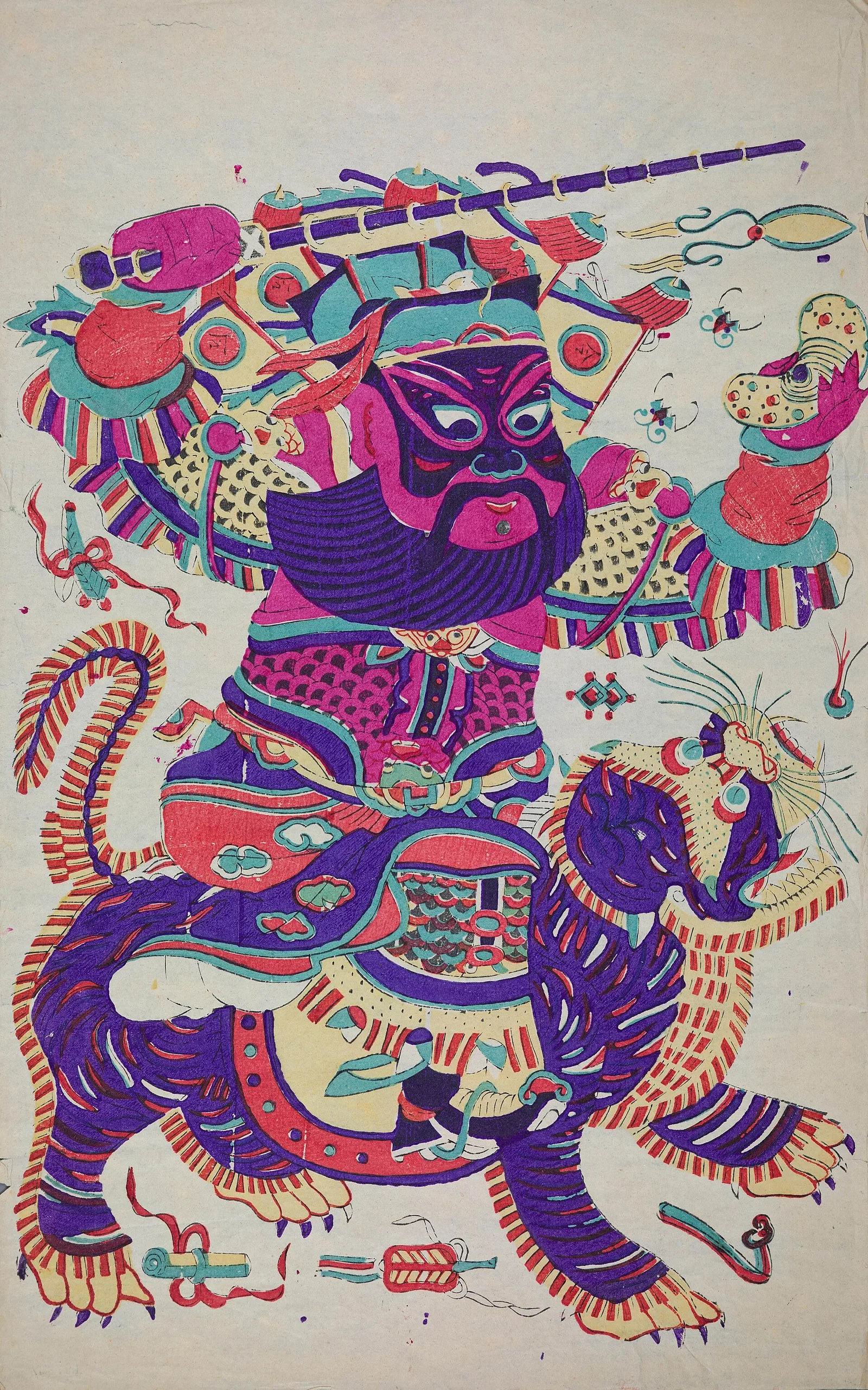
 06 Taohuawu New Year prints Before photography, before posters, Suzhou printed its hopes for the new year. Taohuawu woodblocks are loud, funny, sometimes violent and full of coded blessings. They are one of the city’s most underrated arts.
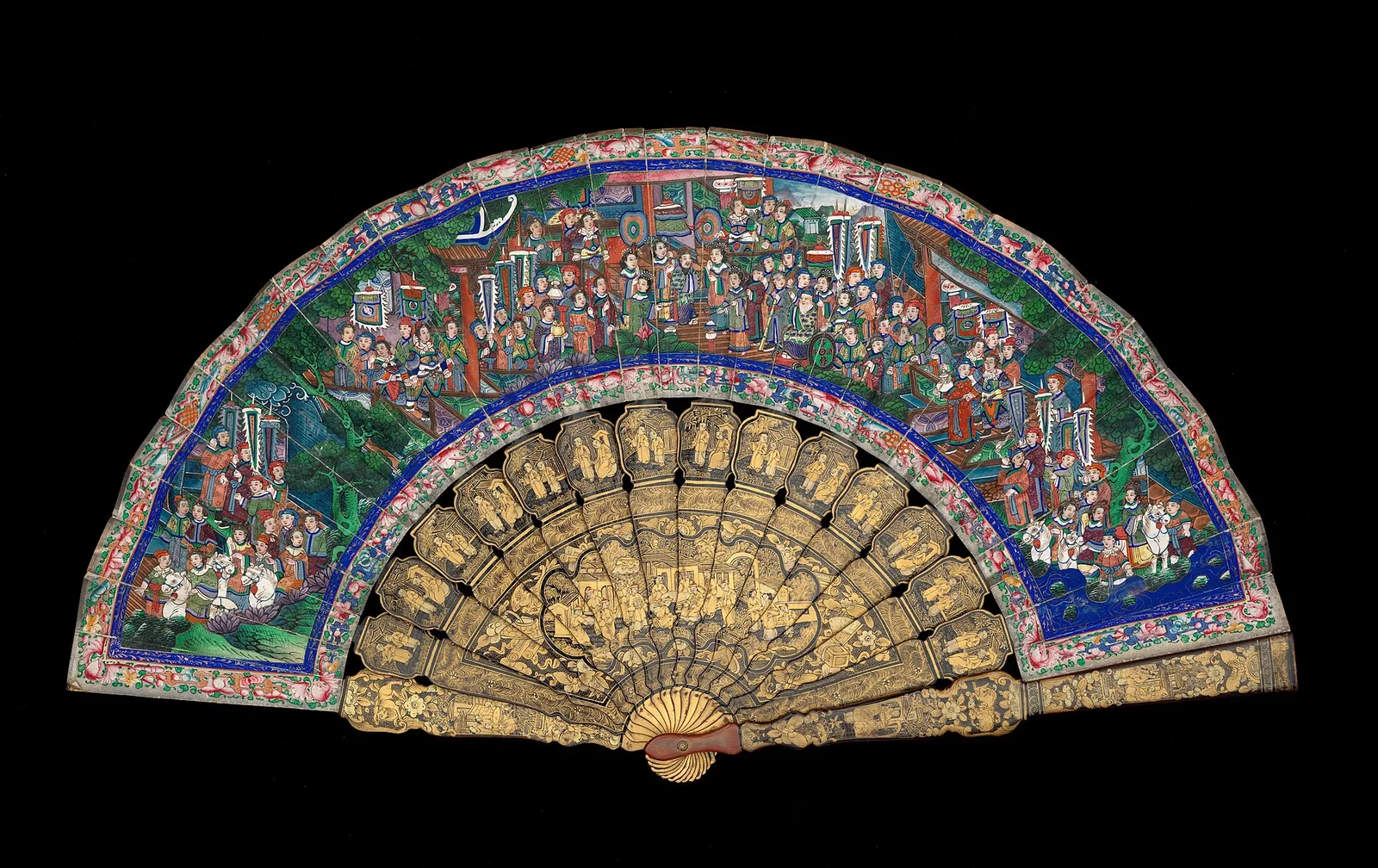
 07 Suzhou fans A Suzhou fan is not one object. It is a folding fan with a painted leaf, a sandalwood fan cut like lace, or a round silk fan carried by a woman in a Song painting. Each has its own craft, price and market.
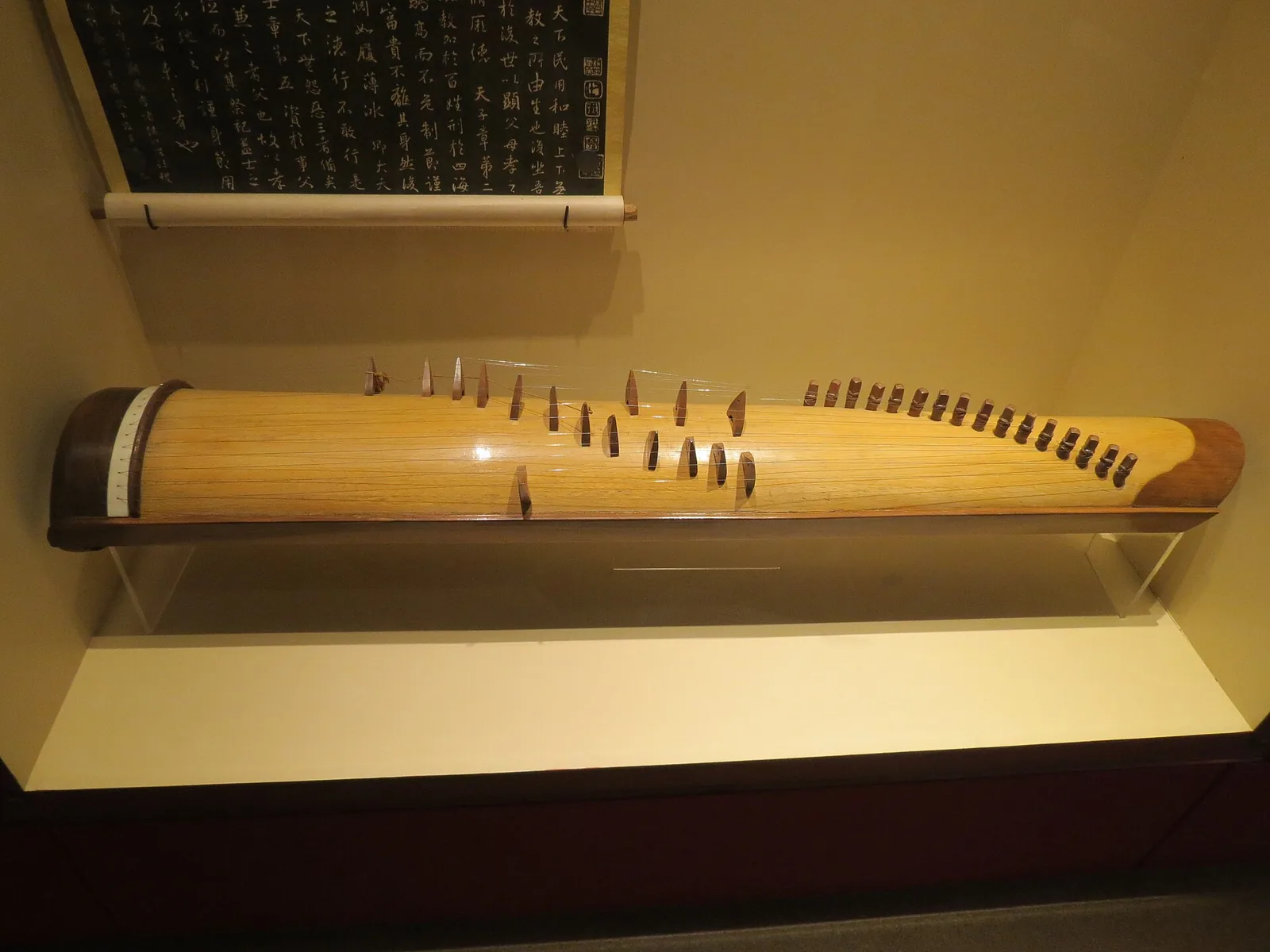
 08 The guqin in Suzhou The guqin is the quietest instrument in Chinese music: seven strings, no frets, a sound closer to a whisper than a performance. Suzhou’s Yushan school made it a philosophy as much as a technique.
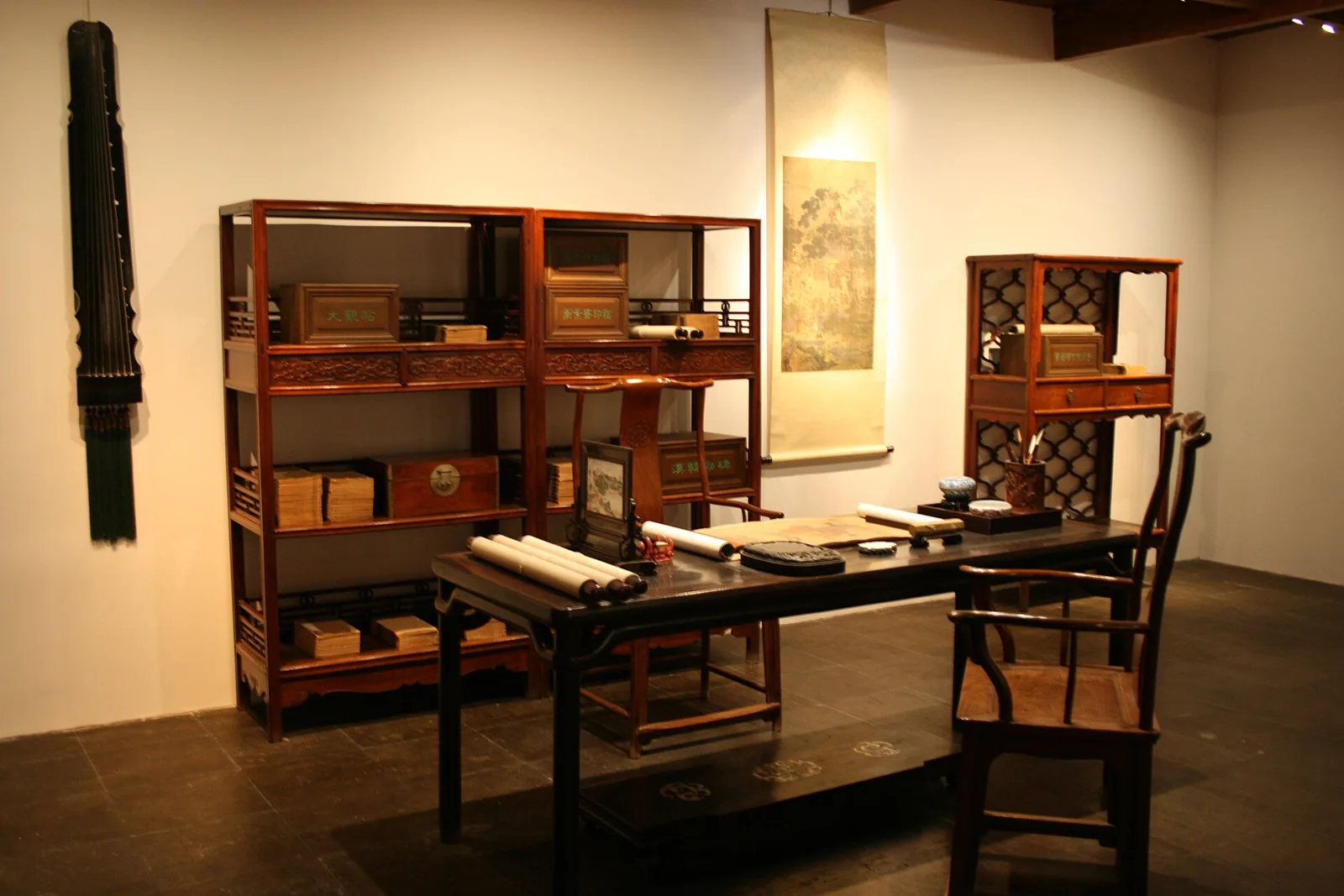
 09 Ming furniture and the Suzhou room Ming furniture is the most copied furniture tradition in the world. The originals were made in Suzhou and the surrounding region, and the best of them are almost impossible to fake: the joints do the work, and the wood is allowed to be itself.
 10 Three days of Suzhou culture Most Suzhou itineraries are a list of gardens. This one is built around a single question: what made the city capable of producing this art? The answer runs through water, silk, scholarship and craft.
Ways through
Choose your entry
The same category can be a first visit, a rainy afternoon, or a deep dive. Start with the version that matches your day.
Two guides give you the frame: the long history from the Wu capital to the modern city, and an honest explanation of what UNESCO actually protects here — including what it does not.
Suzhou: 2,500 years in one city What UNESCO actually protectsThe gardens were built by craftsmen, not just designed by scholars. The Xiangshan tradition explains the roofs, joints, lattice and rockery. The silk, print and furniture guides explain the objects that filled the rooms.
The Xiangshan craftsmen Song brocade and kesi Taohuawu New Year prints Ming furniture and the Suzhou roomSuzhou’s elite produced painting, poetry, gardens and a whole grammar of taste. The Wu School guide explains the painters; the guqin guide explains the sound of the studio; the fans guide explains the object in the hand.
The scholar’s city The guqin in Suzhou Suzhou fansThe cultural itinerary turns the section into a route: gardens at opening, museums, a craft studio, a canal walk and one performance. It is built for travellers who want to understand rather than collect.
Three days of Suzhou culture The private three-day immersion Su embroidery special topic Kunqu opera for first-timers Pingtan in a Suzhou teahousePrivate experiences
Want to meet the makers?
I arrange a small number of private cultural experiences in Suzhou — studio time with an embroiderer, a Kunqu evening, a Xiangshan workshop, a three-day immersion. Tell me your dates and what you want to understand, and I will tell you honestly what is possible.