§ The made city
Craft & silk
Suzhou has been a workshop for a thousand years. Silk, embroidery, fans, jade, opera, and storytelling are not souvenirs here. They are the city’s original industries, and some of them are still alive.
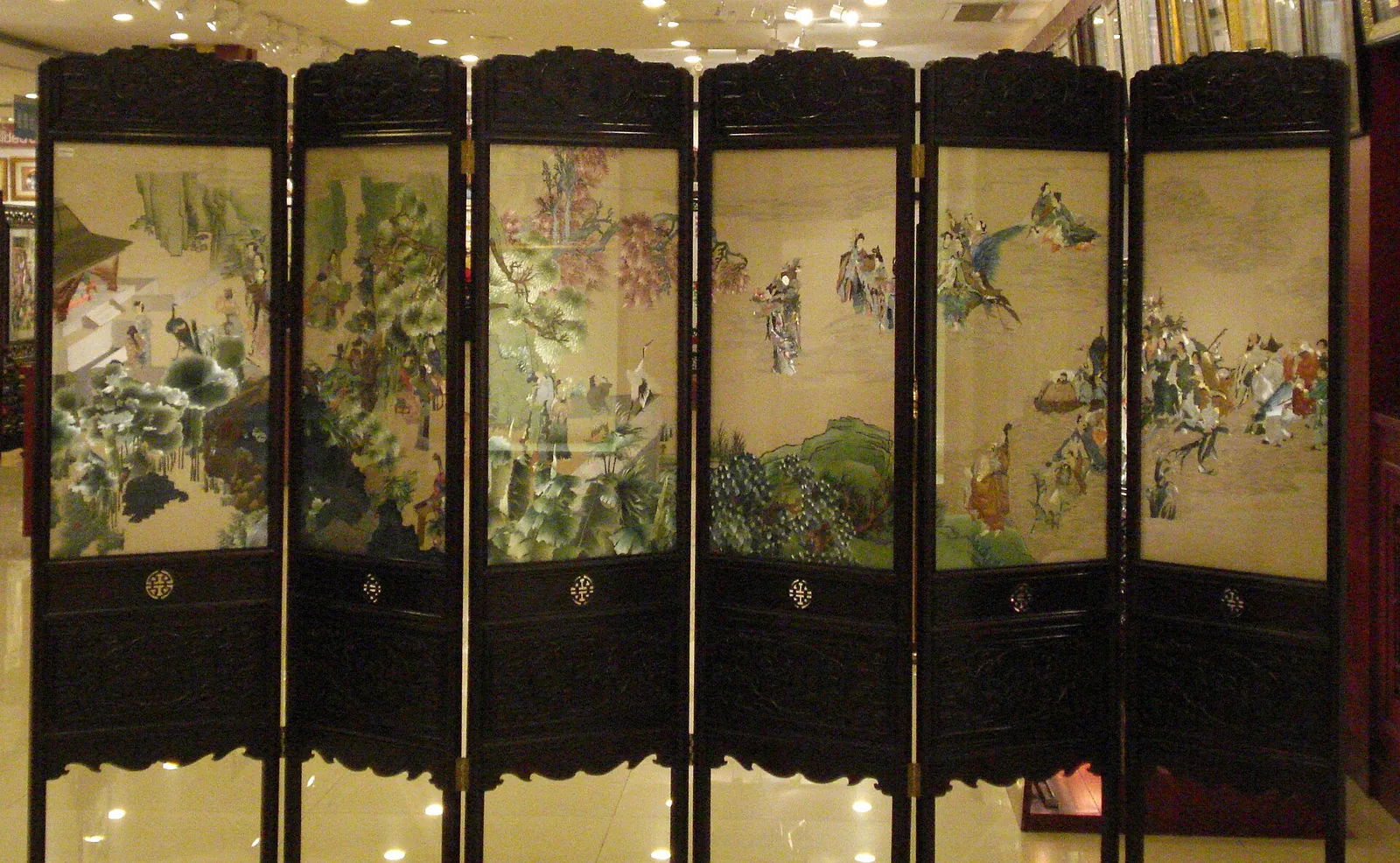
The garden is the most famous thing Suzhou makes, but it is not the only thing. The city’s crafts grew from the same soil: a wealthy, literate elite that wanted beautiful objects for daily use. Silk for clothes, embroidery for screens and sleeves, fans for summer, jade for the desk, opera for the ear.
Some of this is now performance for visitors. Some of it is genuinely alive. The difference is usually obvious once you know what to look for: a workshop with natural light and half-finished work is more convincing than a shop with fluorescent lights and identical boxes.
You do not need to buy anything. The Suzhou Silk Museum, a real embroidery studio, an evening of Kunqu, or a Pingtan teahouse will teach you more about the city than another garden. But if you do buy, buy one good thing rather than five forgettable ones.
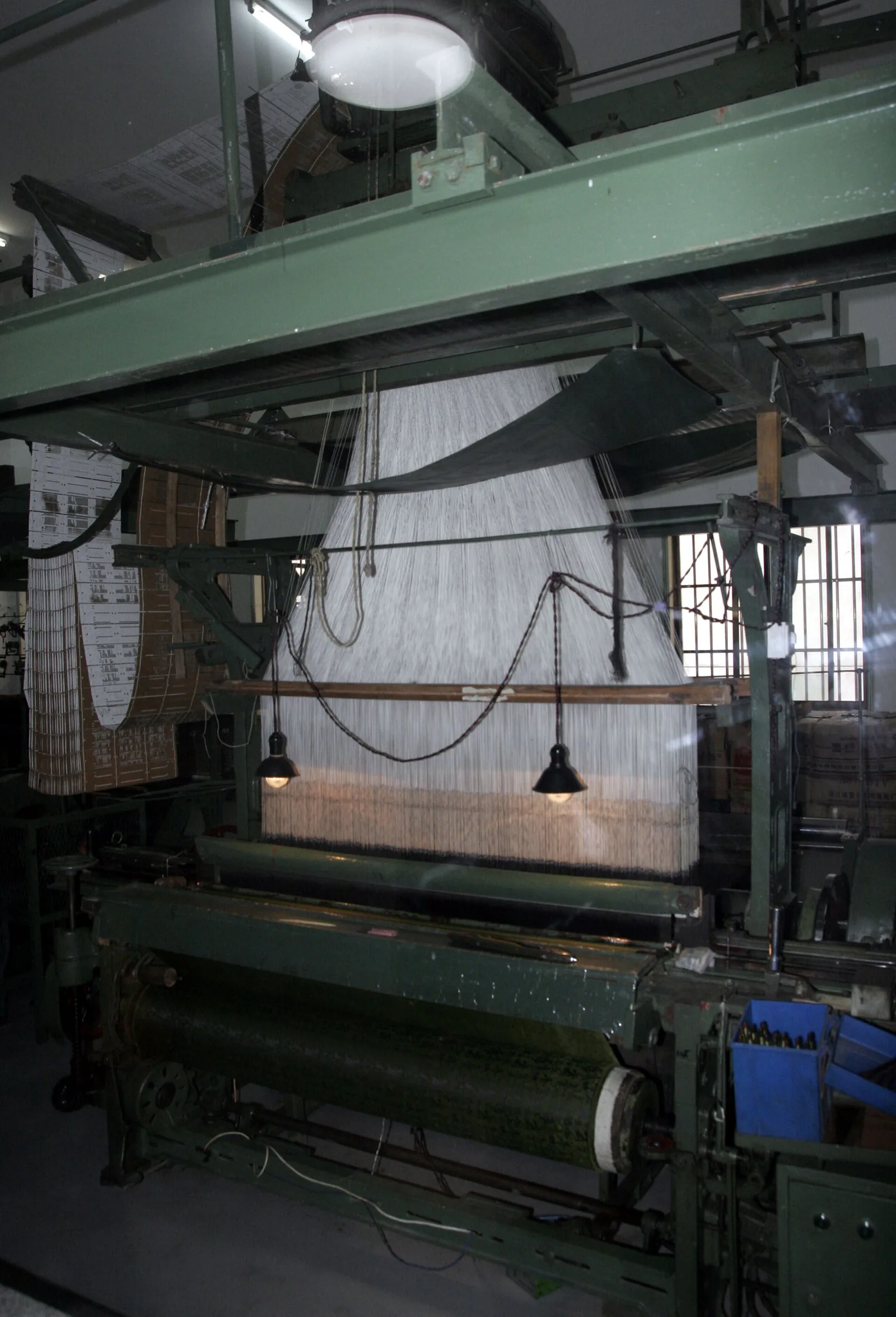
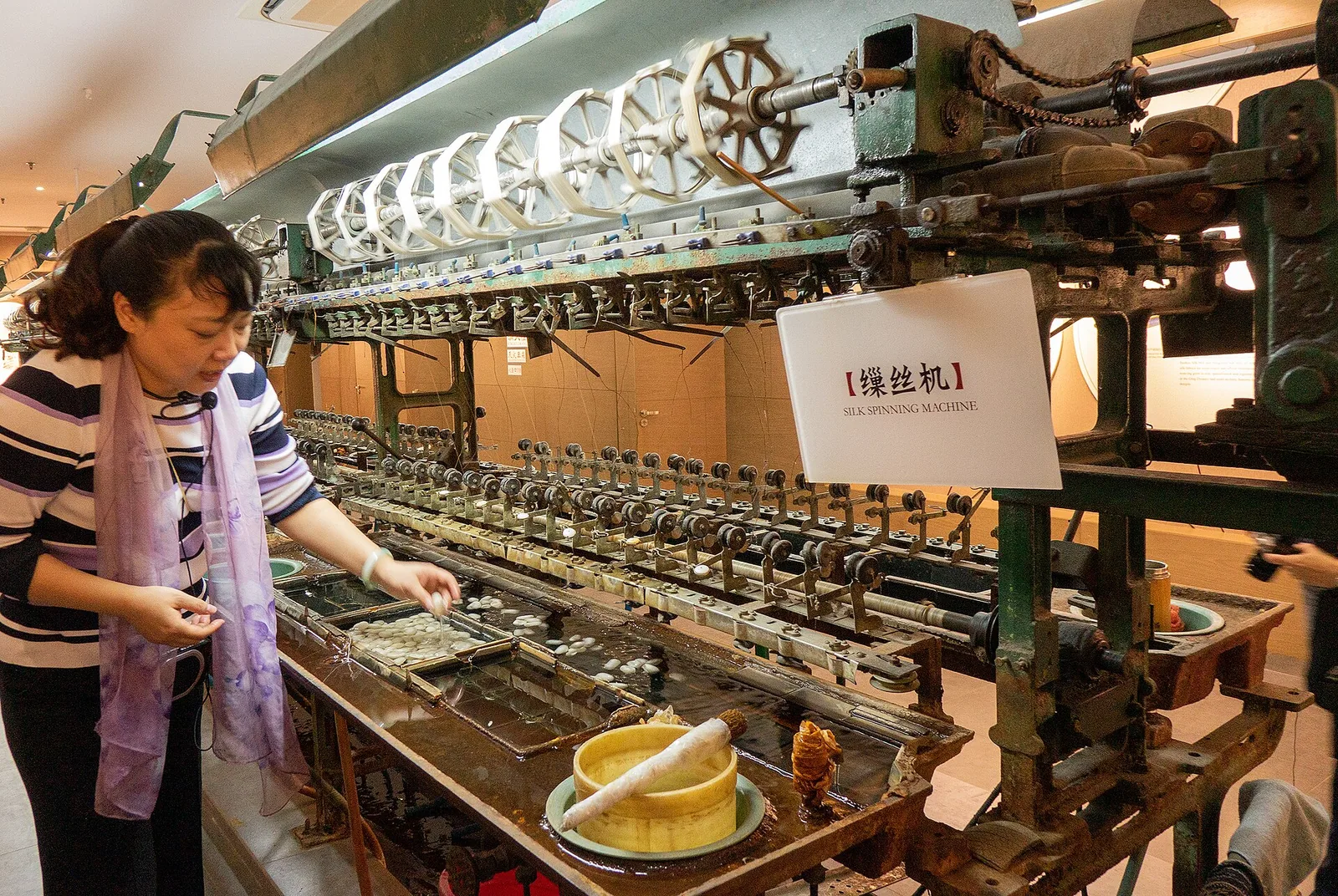 02 The Suzhou Silk Museum The Silk Museum is the best explanation of how Suzhou became rich. It is compact, rarely crowded, and has working looms that make the history tangible. Allow an hour.
 03 Kunqu opera for first-timers Kunqu is the oldest surviving form of Chinese opera and the most literary. It is slow, refined and difficult if you do not know what you are watching. With a little preparation, it is unforgettable.
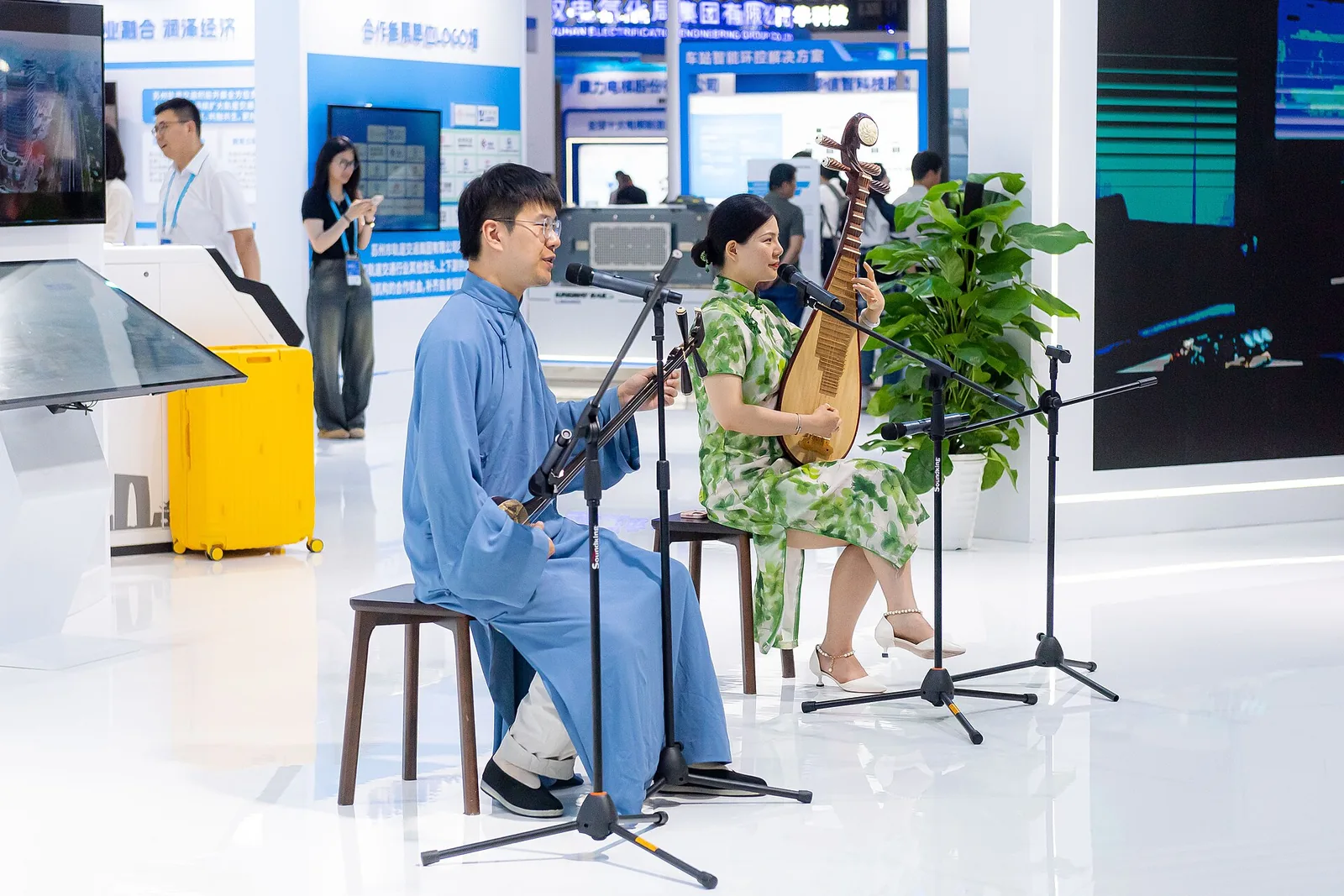
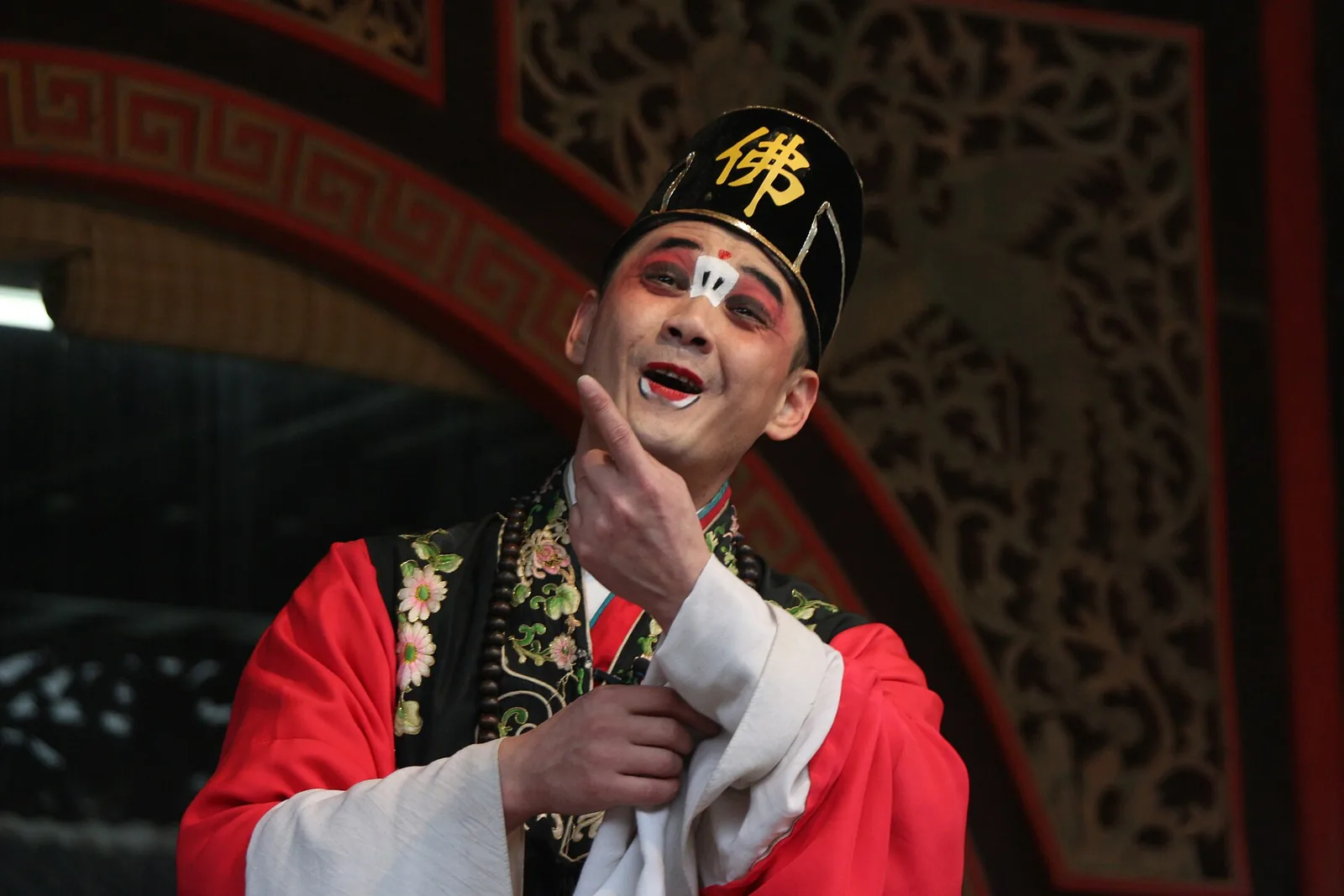 04 Pingtan in a Suzhou teahouse Pingtan is the sound of Suzhou at leisure: two performers, a lute, a small drum, and a story told in dialect over tea. It is informal, funny and much easier to enjoy than Kunqu.
 05 Where to buy silk in Suzhou Suzhou is a good place to buy silk and a very easy place to buy polyester at silk prices. The difference is knowledge, not location. Here is how to shop without getting taken.
Ways through
Choose your entry
The same category can be a first visit, a rainy afternoon, or a deep dive. Start with the version that matches your day.
The Suzhou Silk Museum explains the industry; a working embroidery studio shows the patience. Look for double-sided embroidery, where the image is finished on both sides of the silk. It is the craft’s party trick and its deepest tradition.
Su embroidery: the full story A private day at the frame Living heritage: the longer story The Suzhou Silk MuseumKunqu is the literati opera: slow, literary, and beautiful if you give it an hour. Pingtan is the teahouse version: two performers, a lute, a story, and a room full of locals. Pingtan is the easier first night.
Kunqu opera for first-timers A private Kunqu evening Pingtan in a Suzhou teahouse A private pingtan afternoonReal silk feels cool and slightly heavy in the hand. Real embroidery has slight variation and a visible logic to the threads. Real fans are balanced. If the price is too good and the story is too smooth, it is probably neither.
Where to buy silk What real silk feels likePrivate experiences
Want to meet the makers?
I arrange a small number of private cultural experiences in Suzhou — studio time with an embroiderer, a Kunqu evening, a Xiangshan workshop, a three-day immersion. Tell me your dates and what you want to understand, and I will tell you honestly what is possible.