§ The useful bits
Practical
Everything that is not a garden: arriving, staying, paying, walking, booking, and avoiding the mistakes that turn a good day into a long one.
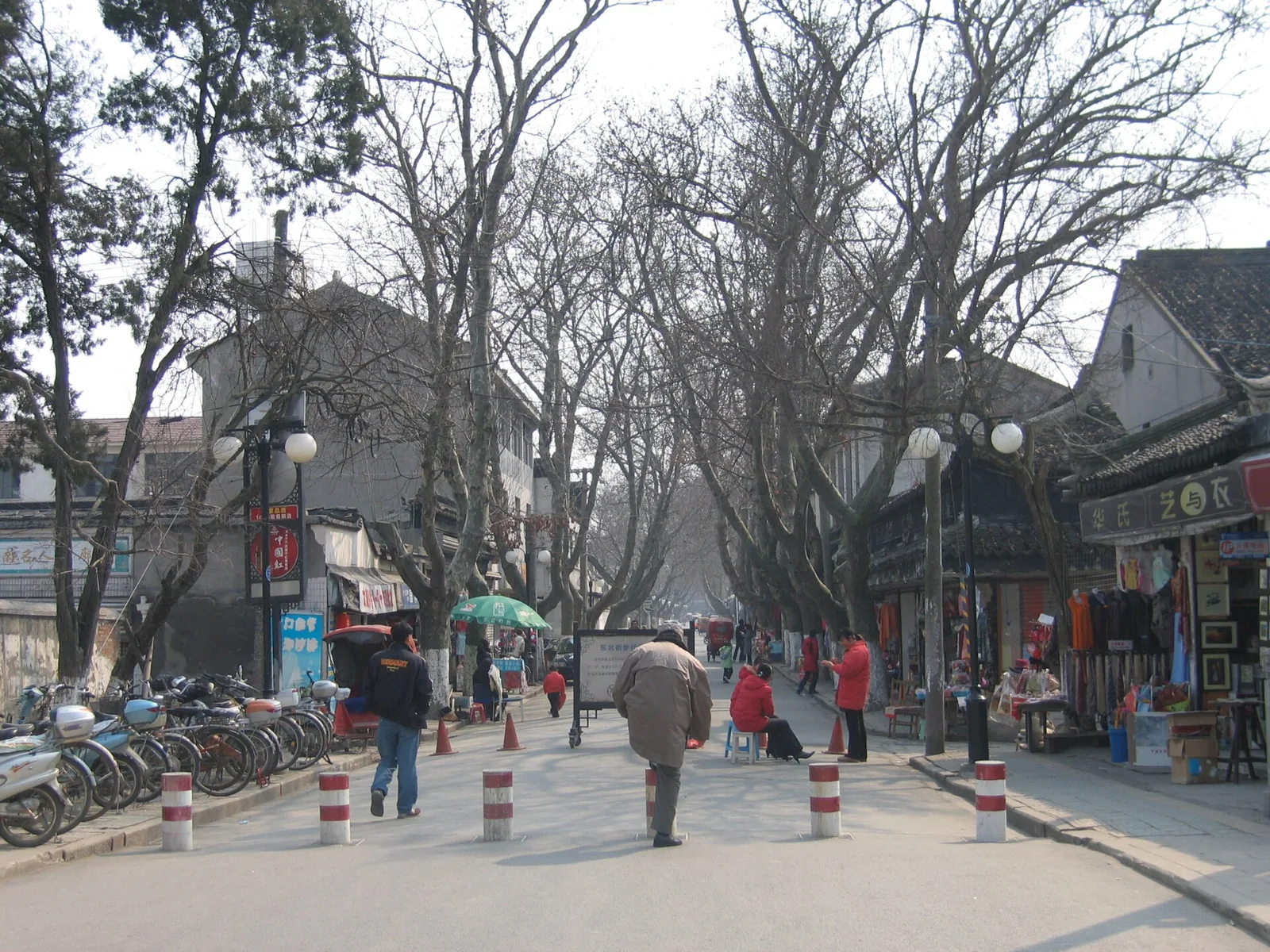
Suzhou is an easy city once you understand three things: the old town is compact, the metro is good, and the famous sights require booking. Everything else is a variation on those three facts.
Foreign visitors sometimes struggle with the booking layer. Gardens and museums use real-name reservations, often through a Chinese mini-program. Bring your passport, book a day or two ahead, and have a screenshot of the confirmation. If a site says sold out, try the official channel again in the morning; cancellations appear.
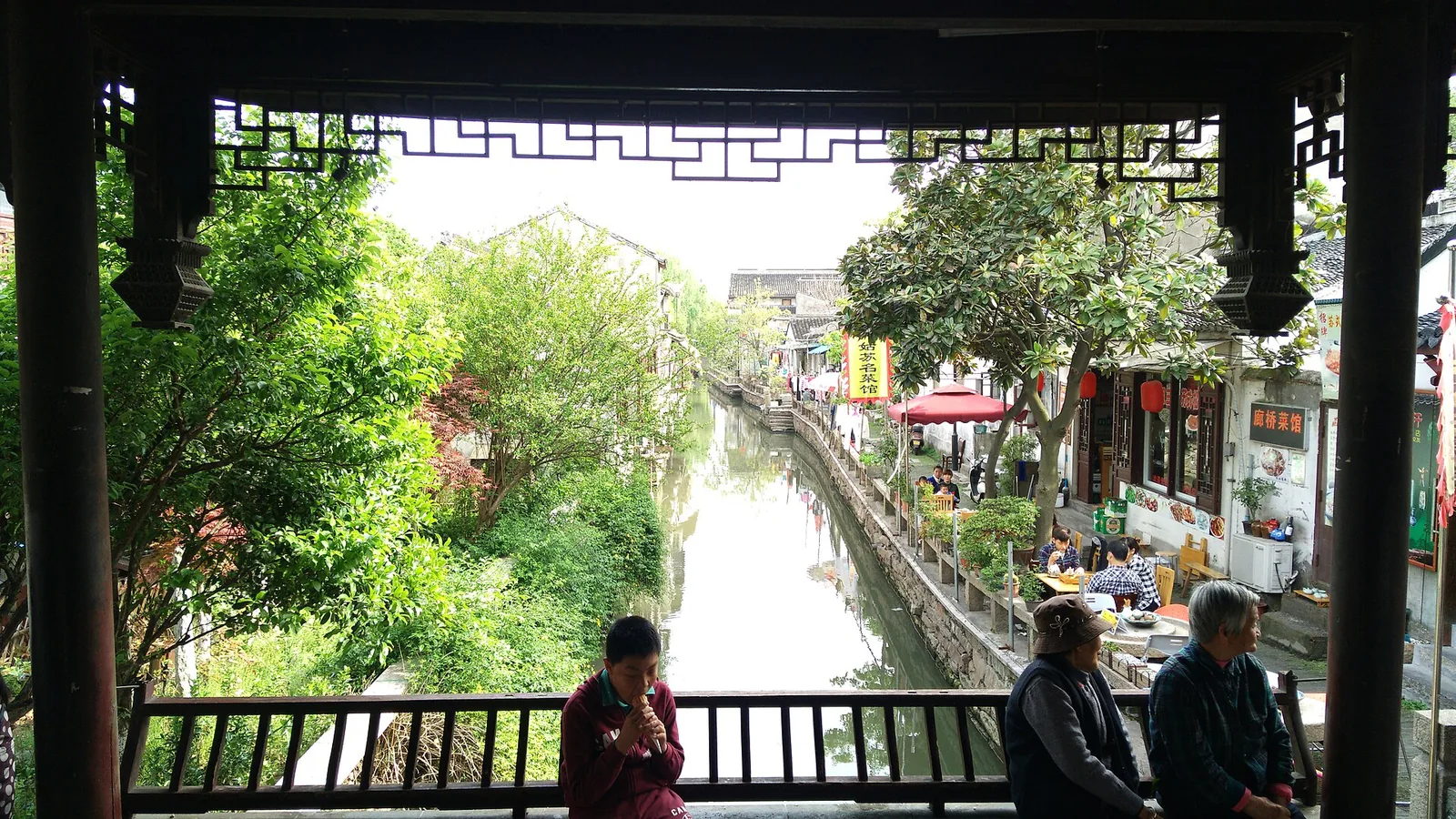 02 Where to stay in Suzhou Suzhou is spread out, and the wrong base will cost you an hour a day. For most visitors the old town wins. Here is how the neighbourhoods actually differ.
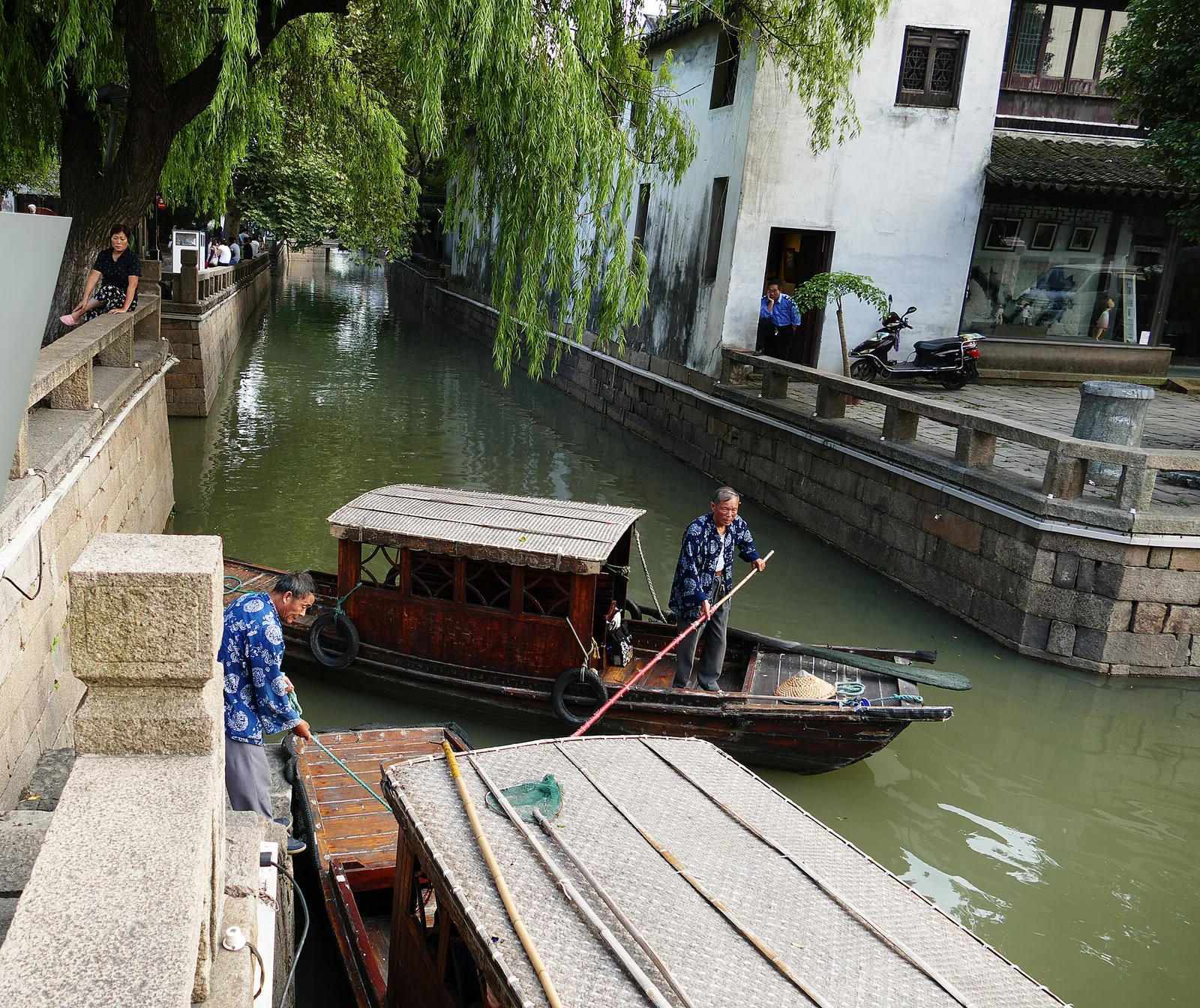 03 How many days do you need in Suzhou? One day is a taste. Two days is the old town. Three days lets the city breathe. Five days is for gardens, water towns and craft. Here is what each length actually buys you.
 04 Getting around Suzhou Suzhou’s old town is walkable, the metro is excellent, and taxis are cheap. The only real challenge is the last 100 metres in the lanes. Here is how to move without wasting time.
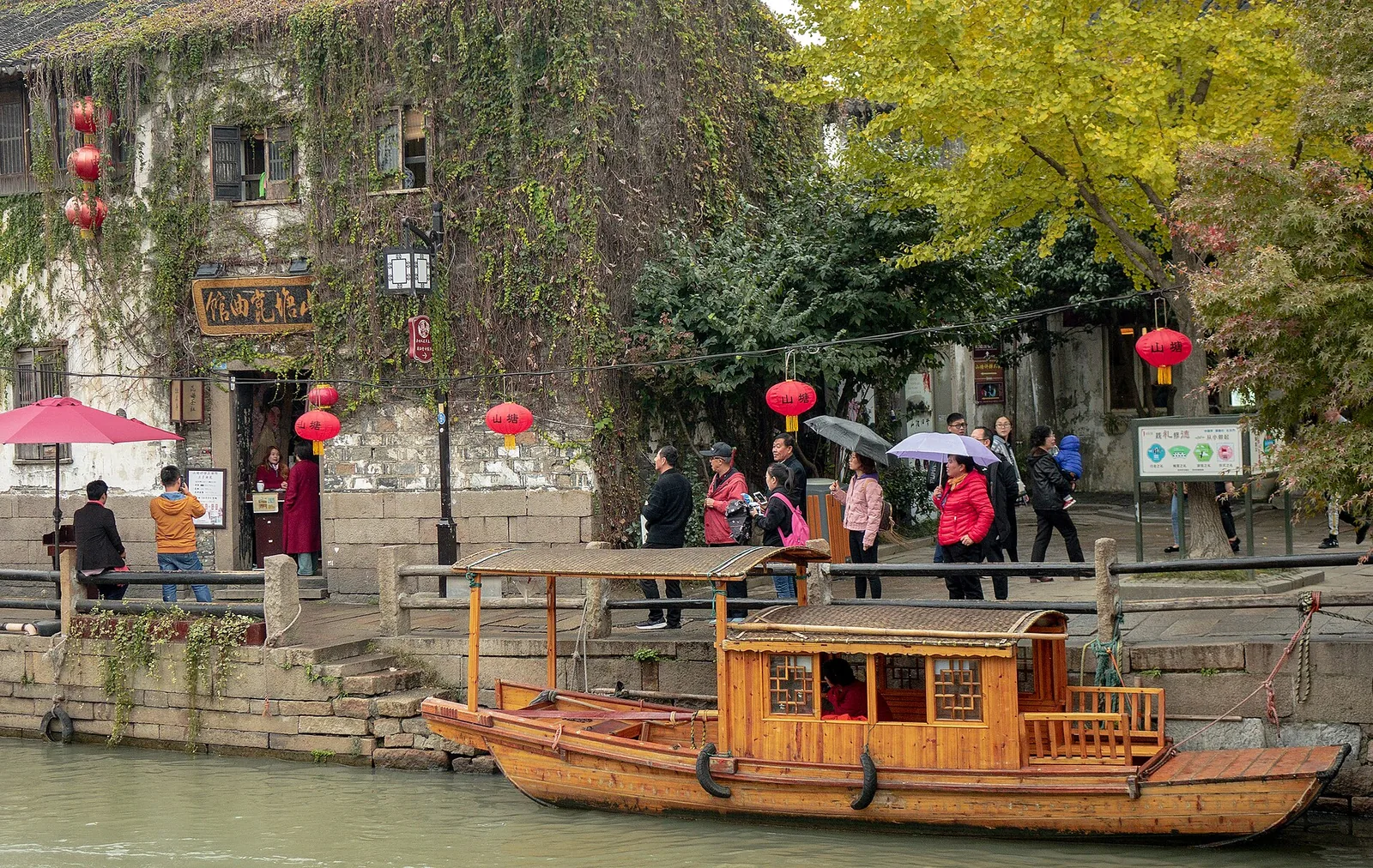 05 Suzhou budget guide Suzhou is cheaper than Shanghai and much cheaper than Western Europe. A comfortable day costs less than you think; the main variable is your hotel and how many crab dinners you eat.
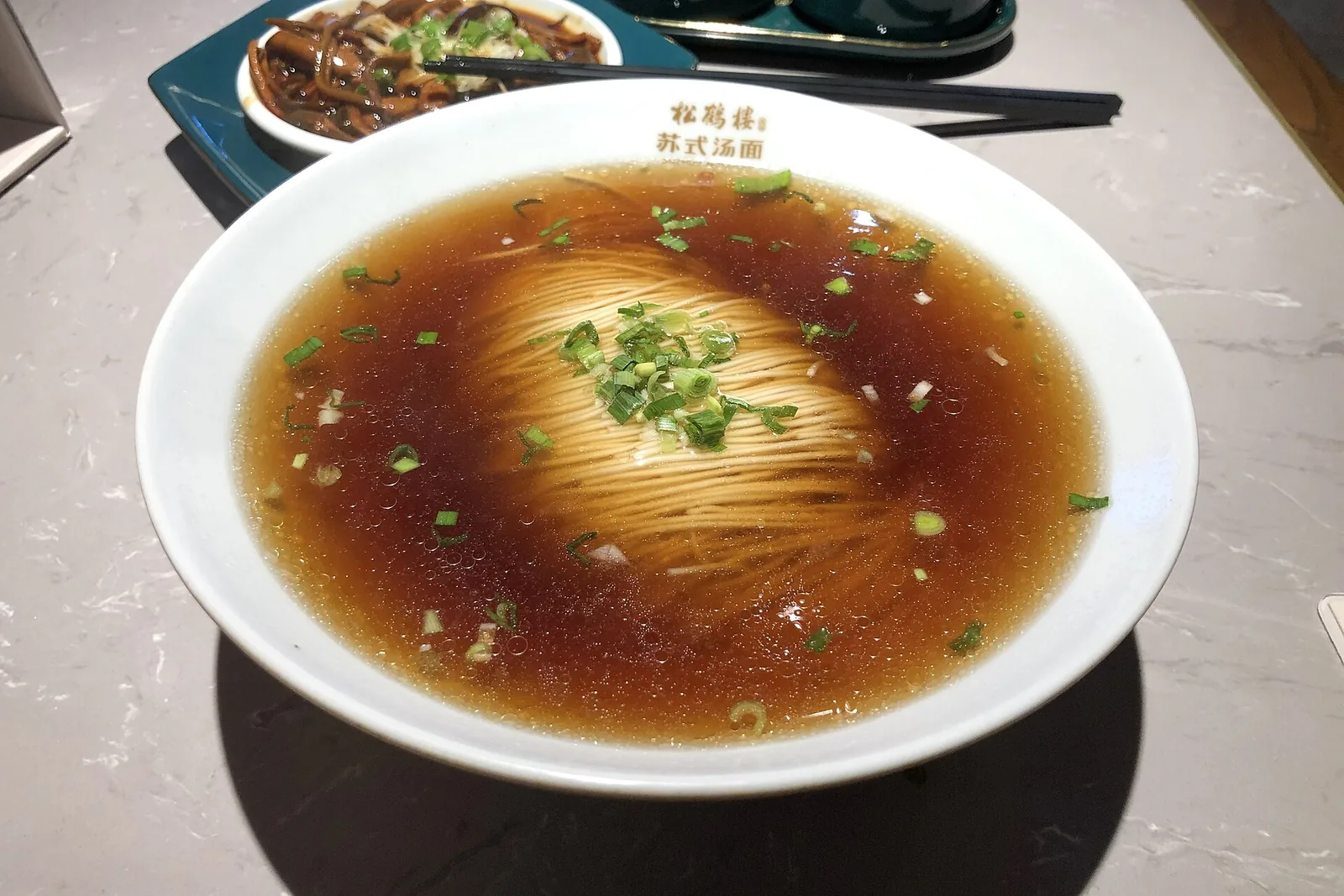 06 Getting to Suzhou Suzhou has no airport, but it is one of the best-connected cities in China by rail. The easiest route is a high-speed train from Shanghai Hongqiao. Here is how the connections work.
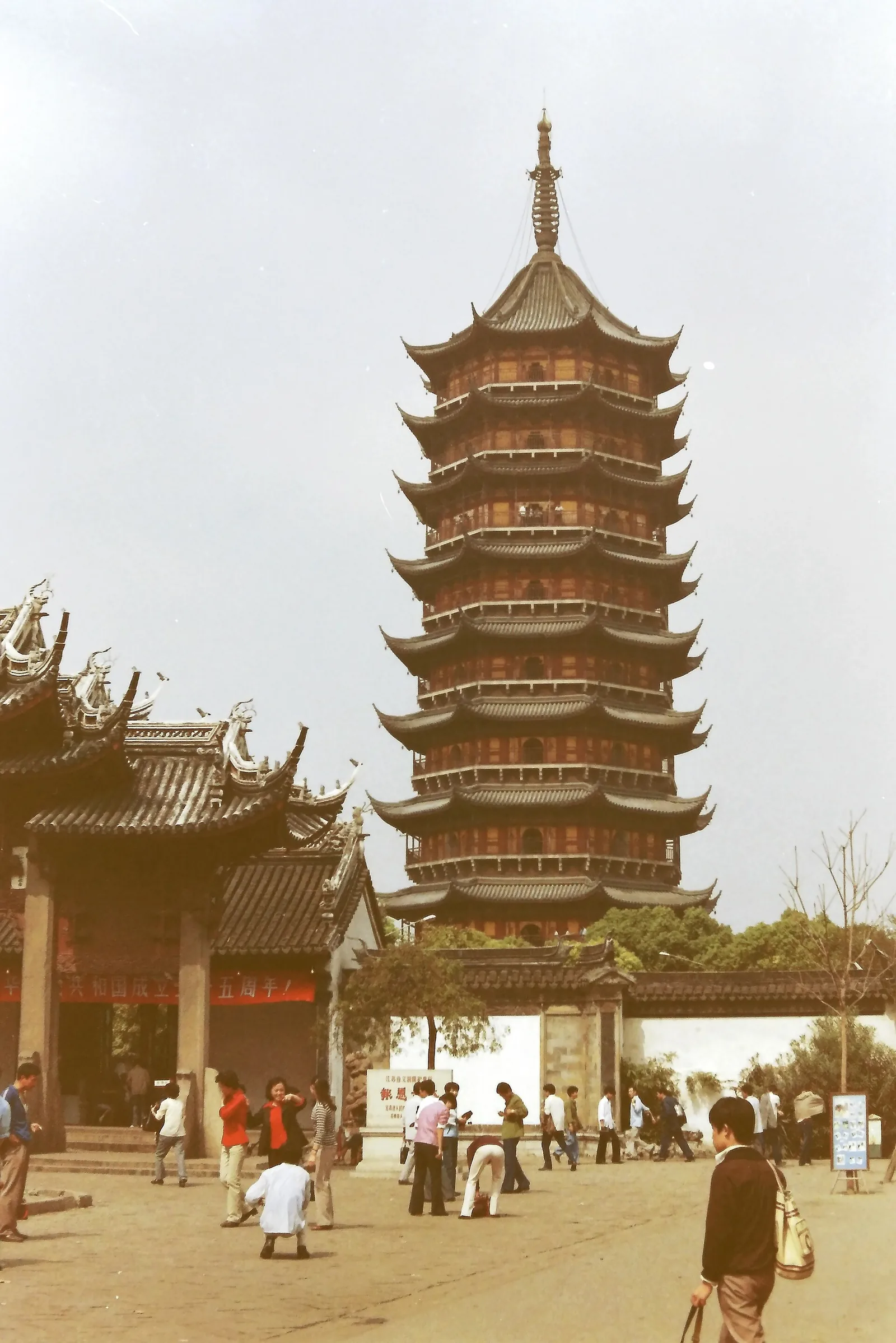 07 Tickets and reservations in Suzhou Suzhou’s main sights increasingly require advance booking, and the museum is free but timed. The system is workable in English, but it rewards preparation. Here is what to book and how.
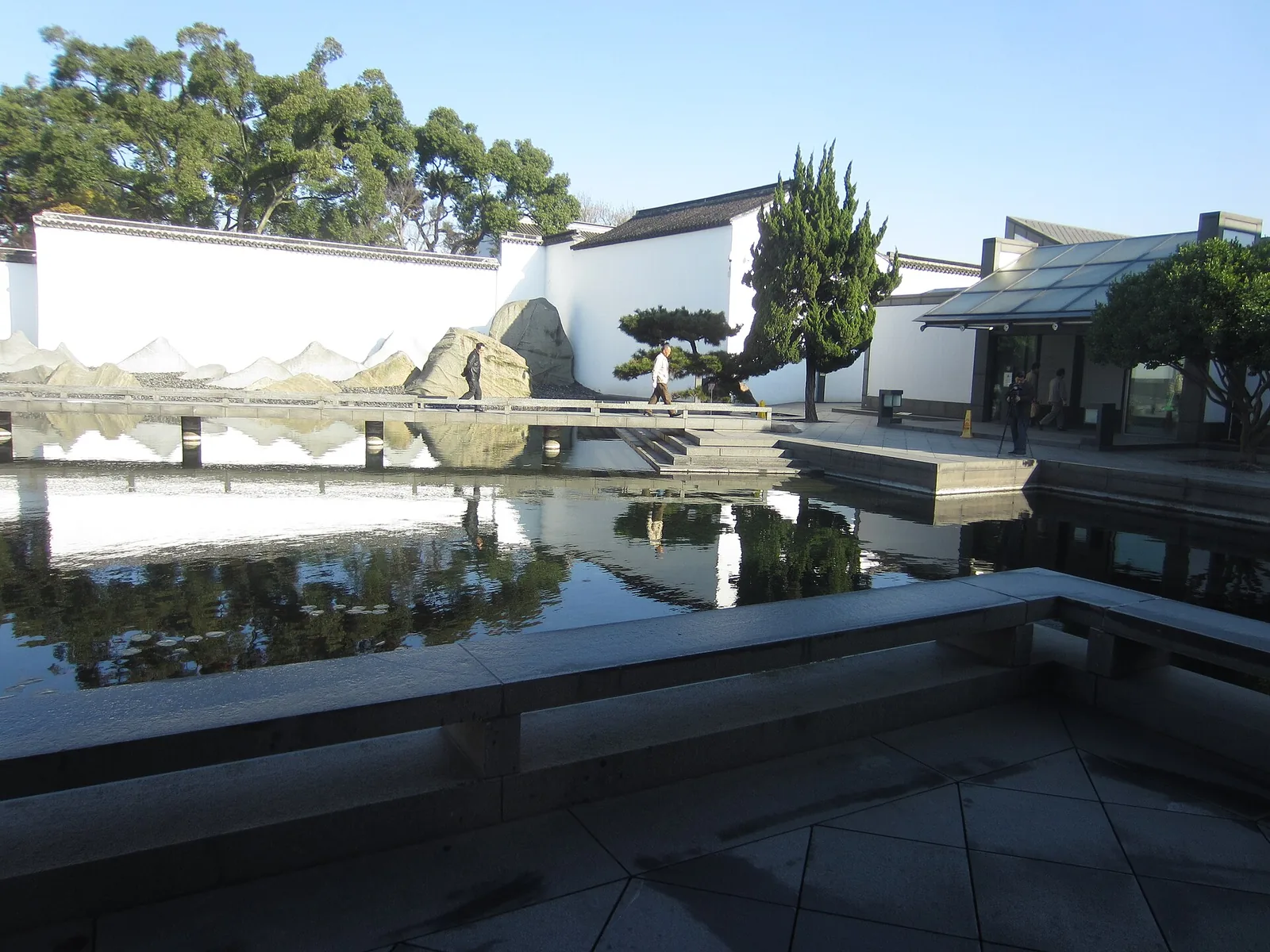 08 Common mistakes in Suzhou Most Suzhou trips go wrong in predictable ways: too many gardens, the wrong neighbourhood, the wrong hour, and a few tourist traps. None of them are disasters. All of them are avoidable.
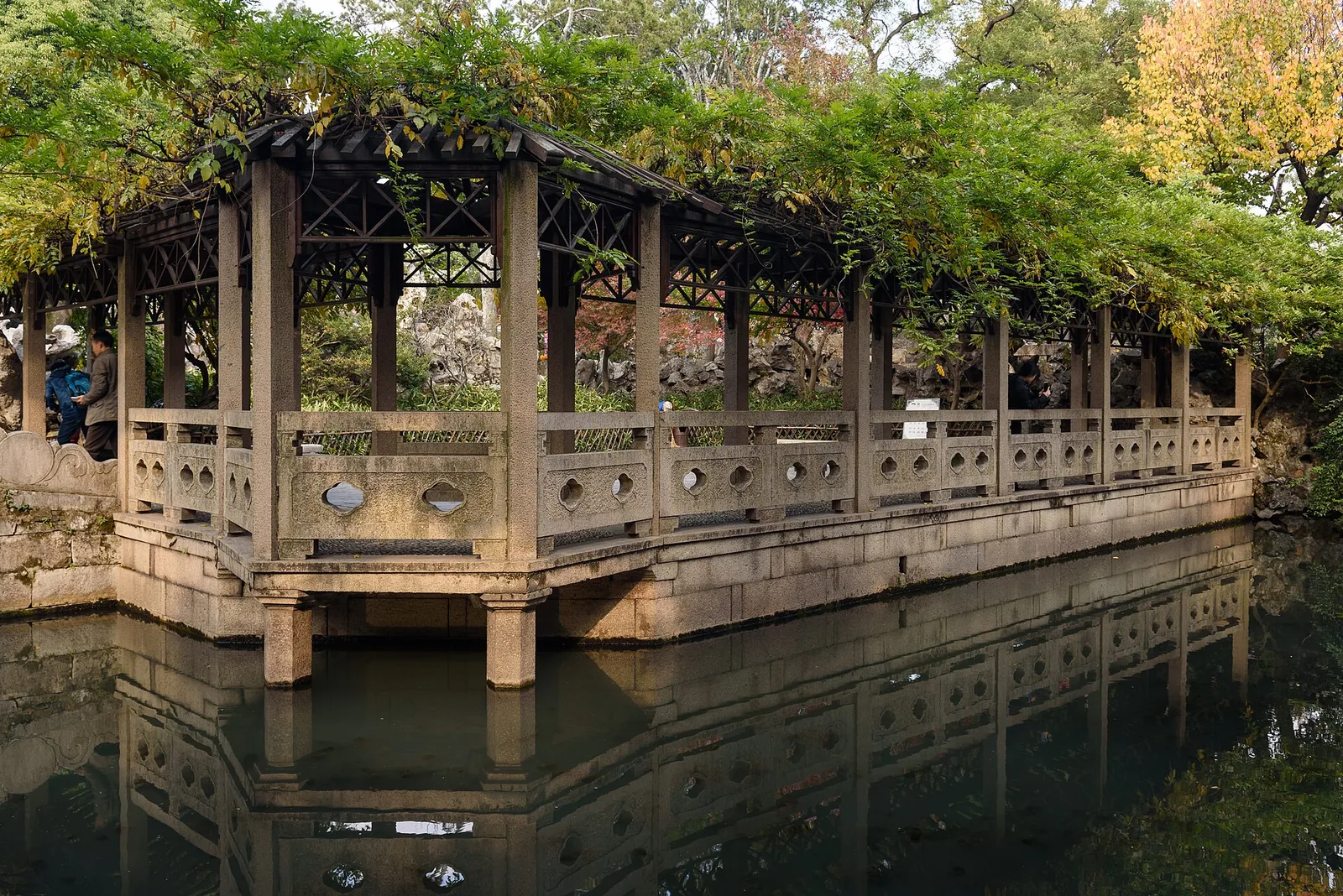 09 Suzhou weather Suzhou has four distinct seasons and a lot of humidity. The city is beautiful in all of them, but the weather changes how you should plan your days. Here is the honest version.
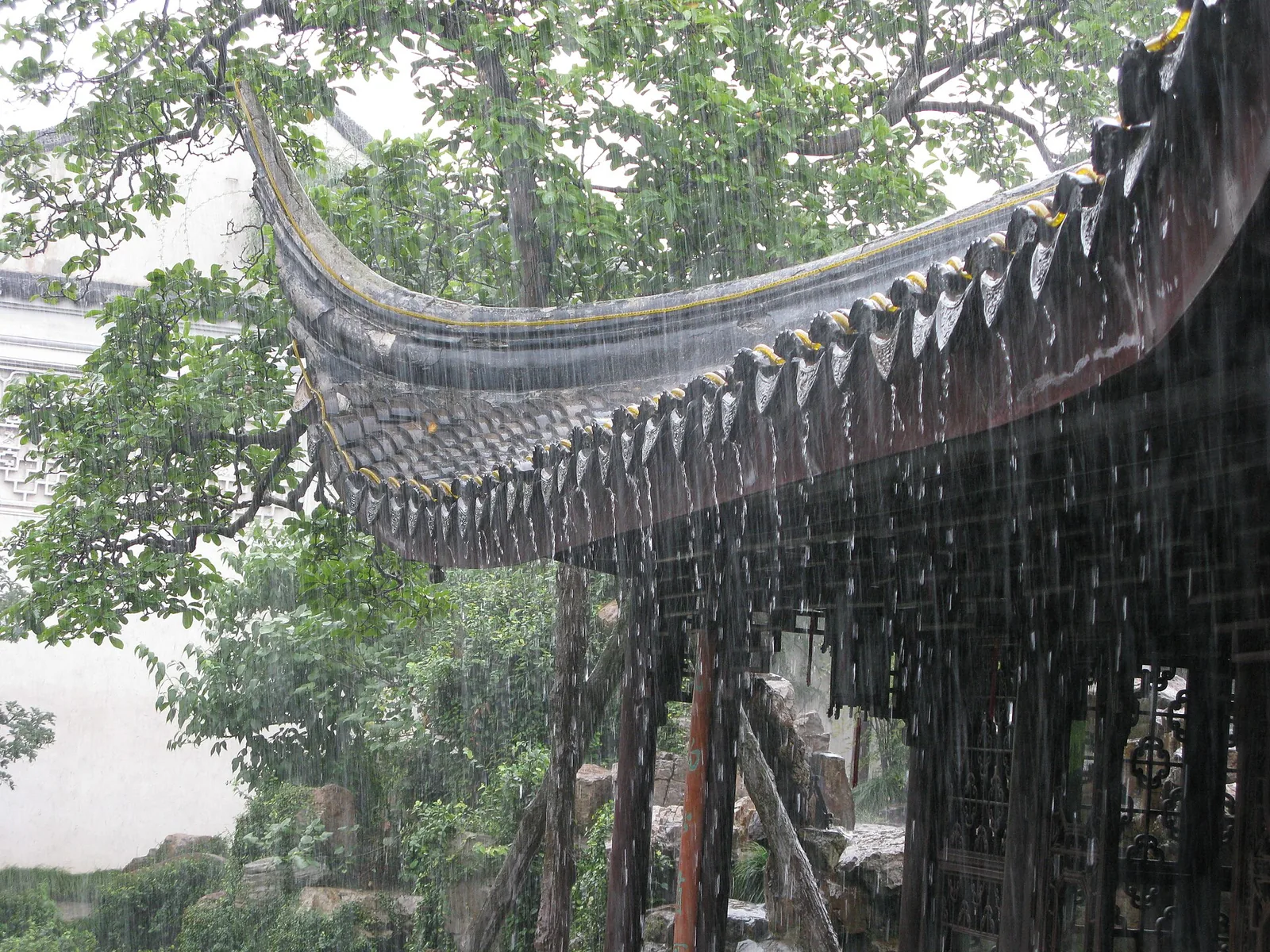 10 The best time to visit Suzhou The short answer: late April to May, and late September to November. The longer answer depends on whether you want blossom, crab, quiet or cheap. Here is the honest ranking.
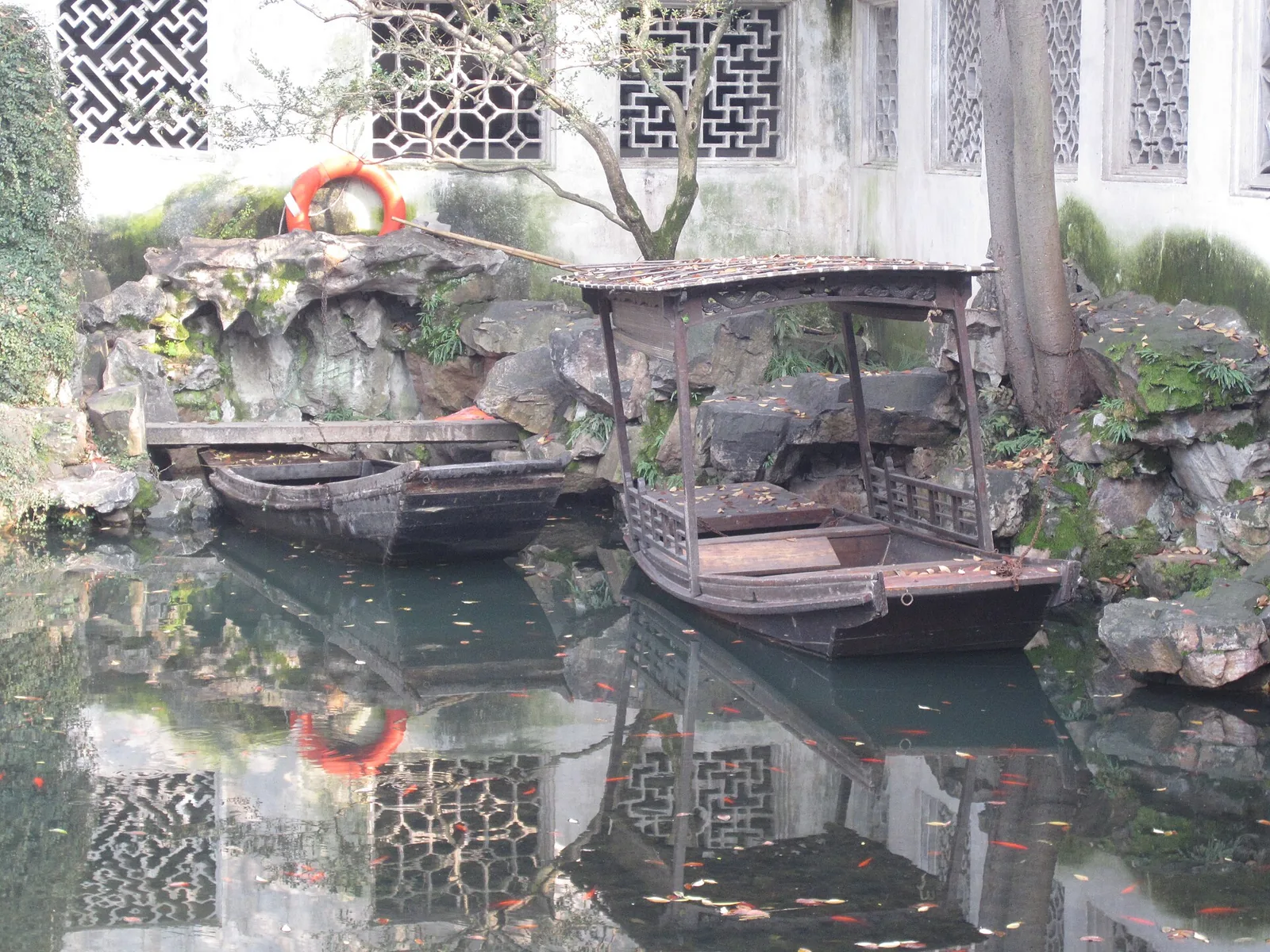 11 Suzhou crowds and holidays Suzhou’s crowds are predictable once you know the calendar. The city is busy on weekends and Chinese holidays, and quiet on weekday mornings. The difference is worth planning around.
Ways through
Choose your entry
The same category can be a first visit, a rainy afternoon, or a deep dive. Start with the version that matches your day.
Where to stay, how long to stay, and whether to use Suzhou as a base for water towns. The old town is the right answer for a first visit; the lake is for a second.
First time in Suzhou Where to stay How many days?Bring a phone that can run Alipay or WeChat Pay, or carry cash for small shops. The metro is cheap and fast; taxis are cheap but slow in traffic. Bikes are excellent until it rains.
Getting around Budget Getting thereGardens, museums, and water towns all have their own rules. Book the Suzhou Museum as soon as your dates are fixed. Gardens are usually easier, but holidays are not.
Tickets and reservations Common mistakesPrivate experiences
Want to meet the makers?
I arrange a small number of private cultural experiences in Suzhou — studio time with an embroiderer, a Kunqu evening, a Xiangshan workshop, a three-day immersion. Tell me your dates and what you want to understand, and I will tell you honestly what is possible.