§ The short version
Start here
Two nights, one great garden at opening, one canal at dusk, and a bowl of noodles. Everything else is a variation. This page is the version I would send a friend.
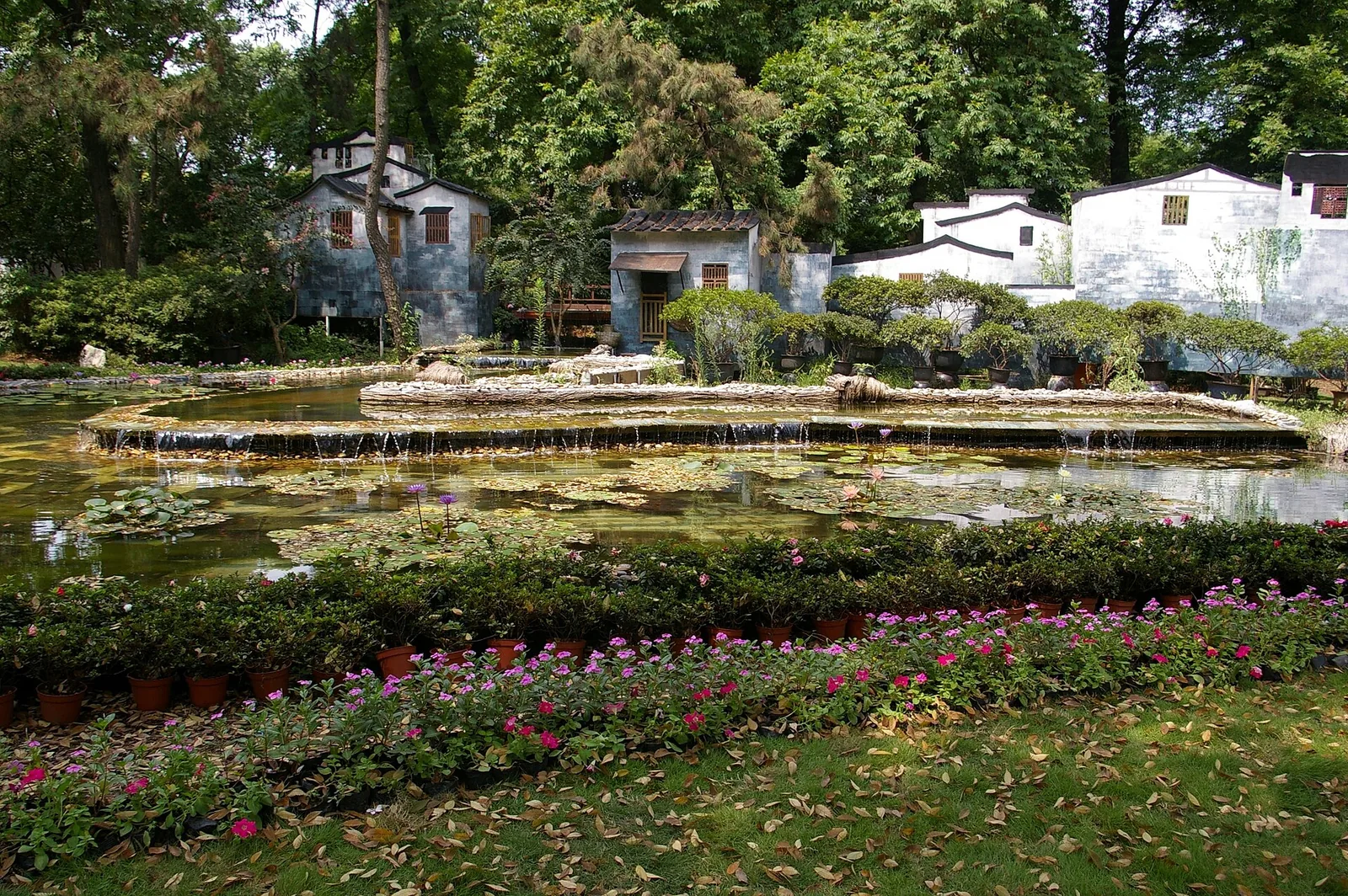
If you read only one page on this site, read this one. It is the short version of everything I would tell a friend who had two nights in Suzhou and did not want to spend them in a queue.
The short answer
Stay two nights in or near the old town. Give one morning to a great garden at opening. Give another morning to a smaller garden, a museum, or a water town. Spend the middle of the day eating and walking, not crossing the city. Leave one evening free for the canal.
If you have only one day, do not try to see Suzhou. See one garden properly, walk Pingjiang Road before lunch, visit the Suzhou Museum if you can get a slot, and leave. That is a good day. It is not the whole city.
What Suzhou is actually for
Suzhou is not a city of individual monuments. It is a city of composed experiences: a garden that controls what you see, a canal that used to be a road, a piece of silk that took months, a bowl of noodles that costs less than a coffee in Shanghai. The pleasure is in noticing how the parts fit together.
That is why the site is organised around layers rather than a top-ten list. The garden is the first layer. Water is the second. Heritage, embroidery and craft, food, and the ordinary streets follow. You can start anywhere, but the gardens are the best door in.
The three decisions
- How long? Two nights is the minimum for a first visit that does not feel rushed. Three nights lets you add a water town or a craft workshop. Four or five nights lets you slow down.
- Where? The old town, within walking distance of Pingjiang Road or the Humble Administrator’s Garden. The lake district is modern and comfortable but puts you in traffic.
- Which garden? The Humble Administrator’s for the full vocabulary; the Lingering Garden for composition and fewer people; the Master of the Nets for intimacy; Lion Grove for a maze. Read the garden finder before you book.
If you are travelling from Shanghai, the train is fast and easy, but a day trip steals the best hours. Stay one night if you can. The city after 18:00 is a different place: the tour buses leave, the canals light up, and the noodle shops fill with people who live there.
A first visit, in one page
| When | What | Why |
|---|---|---|
| Day 1, 8:00 | Humble Administrator’s Garden | The full garden vocabulary, before the crowds |
| Day 1, 11:00 | Suzhou Museum or Lion Grove | One indoor or one rockery, not both |
| Day 1, 13:00 | Noodles in the old town | Cheap, local, fast |
| Day 1, 16:00 | Pingjiang Road | The canal at the right hour |
| Day 2, 8:30 | Lingering Garden or Master of the Nets | A smaller, quieter counterpoint |
| Day 2, 12:00 | Tiger Hill or a water town | Choose one; both is a long day |
| Day 2, 18:00 | Canal boat or teahouse | The city at its most generous |
What I would skip
- A “Venice of the East” dinner cruise with a microphone. The canal is better in silence.
- Any silk factory “demonstration” that ends in a hard sell. Go to the Silk Museum instead.
- Zhouzhuang on a public holiday. Tongli on a weekday morning is a better version of the same idea.
- Three gardens in one day. They blur, and your knees will remember.
- The hotel breakfast. Suzhou breakfast is cheap, specific, and worth leaving the room for.
How to use this site
Start with private experiences if you want a day with a maker rather than another monument. Start with the gardens if you want the city’s core. Start with living heritage if you want the history and the crafts before the sights. Start with the Su embroidery special topic if you want to understand the craft before you shop. Start with routes if you are already packing. Start with practical if you are worried about tickets, money, or getting around. Start with field notes if you want to know what to look for before you arrive.
Nothing in the guide is sponsored. No hotel pays for a mention, no restaurant buys a paragraph, and there are no affiliate links. The private experiences are paid work, but they are labelled and never buy a recommendation in the editorial pages. If something is not worth your time, it says so. That is the whole editorial policy.