§ Experiences
Private cultural experiences
The gardens are the visible layer. These are private days with the people who keep the crafts alive — a frame, a workshop, a stage, a teahouse, and time to understand what you are seeing.
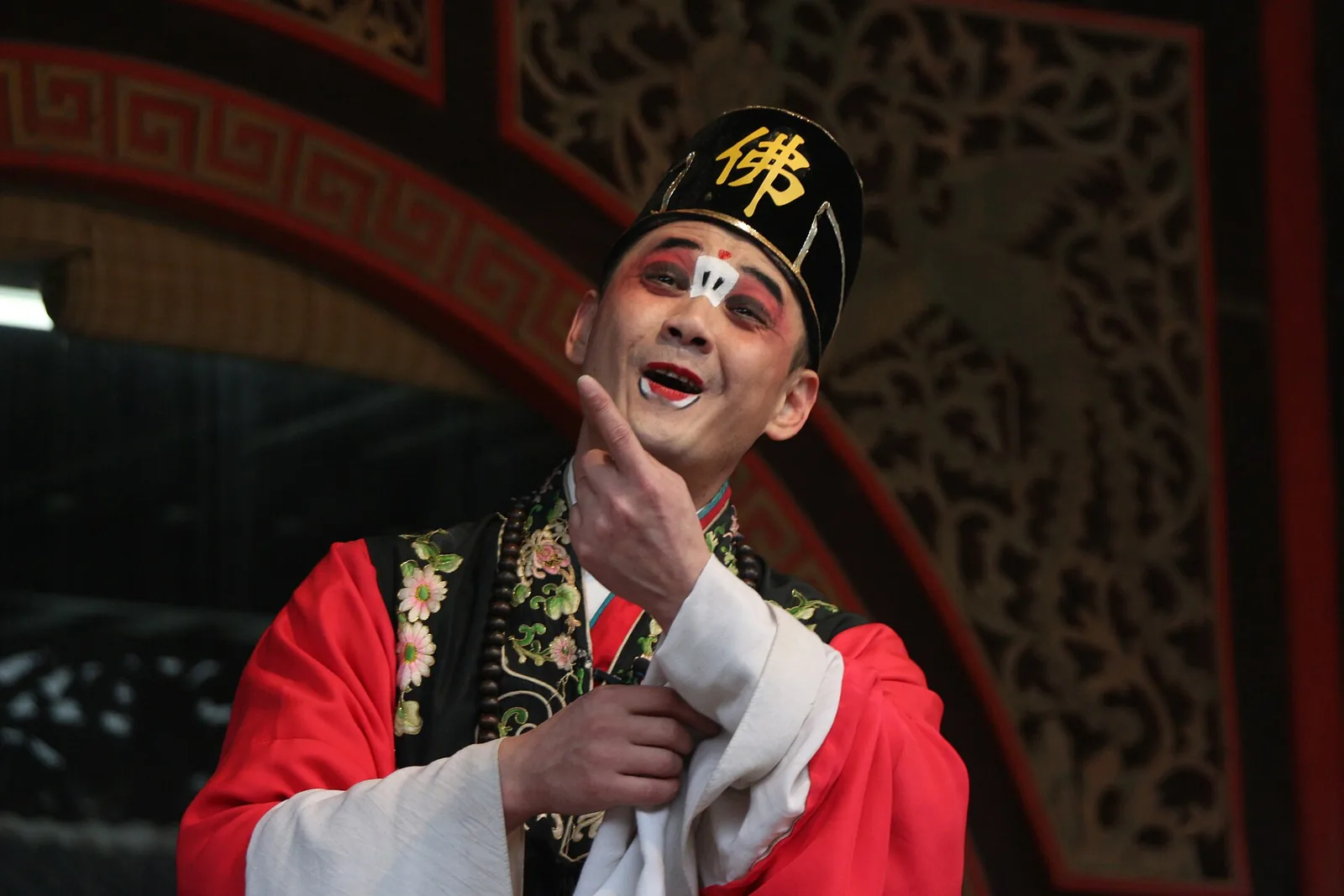
Most cultural travel in Suzhou is a performance of access: a demonstration, a photo, a shop. These experiences are the opposite. They are small, private and built around a practising artist’s working day. You sit at the frame, handle the joint, read the plot before the curtain, or take a table in a teahouse where the regulars already know the story.
The guide on this site stays free and independent. The experiences are separate: clearly labelled, quoted per group, and arranged directly with artists and local partners. A paid experience never buys a recommendation in the editorial pages. If a craft is better seen in a museum than in a studio, the guide says so.
The range is deliberate. Some travellers want one deep morning. Some want a single evening. Some want three days that connect the garden, the workshop, the stage and the table. The three-day immersion is the flagship; the individual experiences can stand alone or be combined.
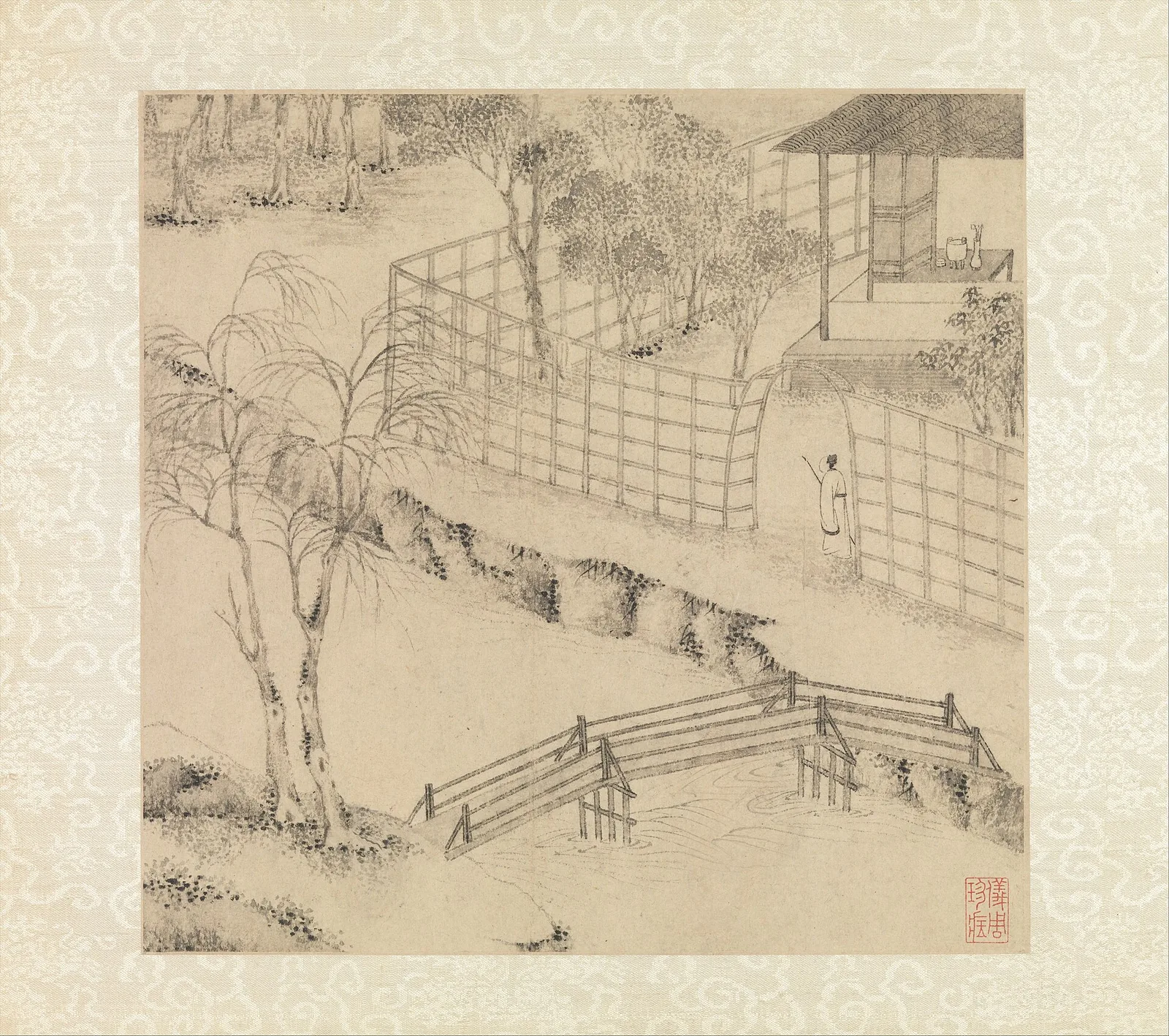 02 A day at the embroidery frame Su embroidery is not a souvenir. It is a discipline of split silk, controlled tension and months of patience. This is a private day in a working studio, with an artist, a frame and time to try.
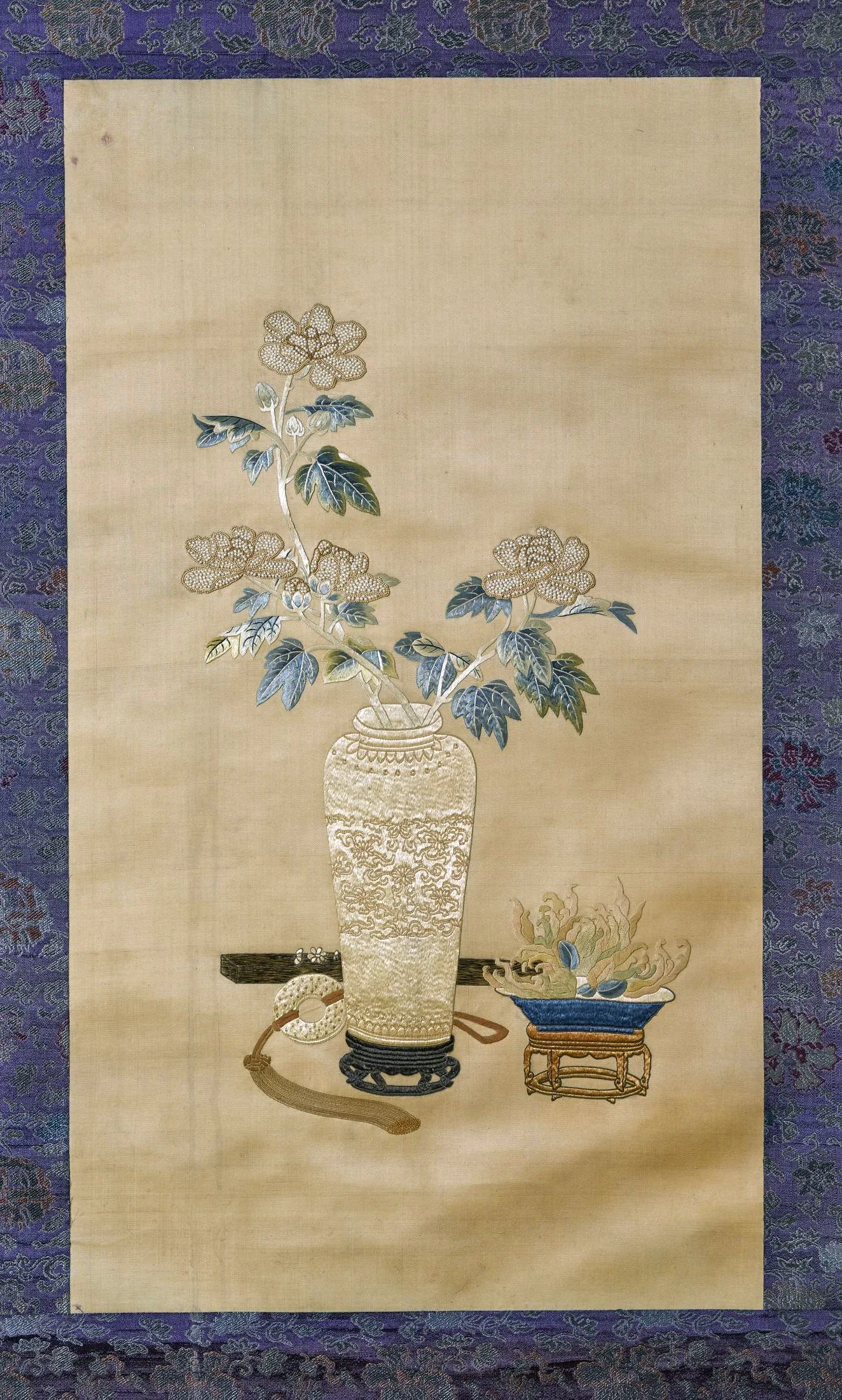 03 Kunqu, from the inside Kunqu is slow, literary and easy to misread. Seen with context and a good seat, it is one of the most refined evenings in China. This is a private introduction, not a tourist excerpt. 04 The Xiangshan workshop The men who built Suzhou’s gardens left few names. Their tradition is still alive in workshops west of the city. This is a half-day with the joinery, the tools and the logic behind the gardens.
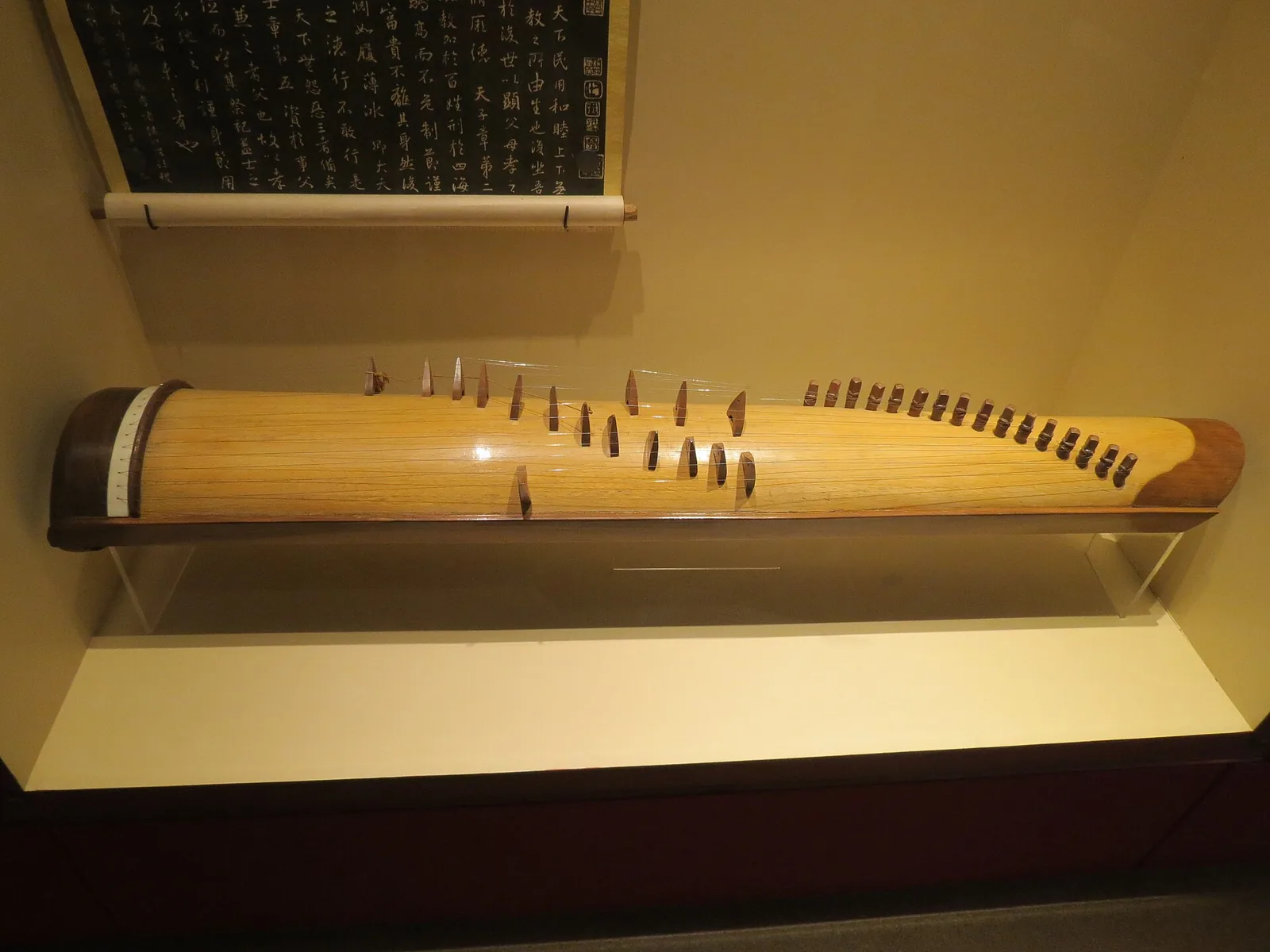
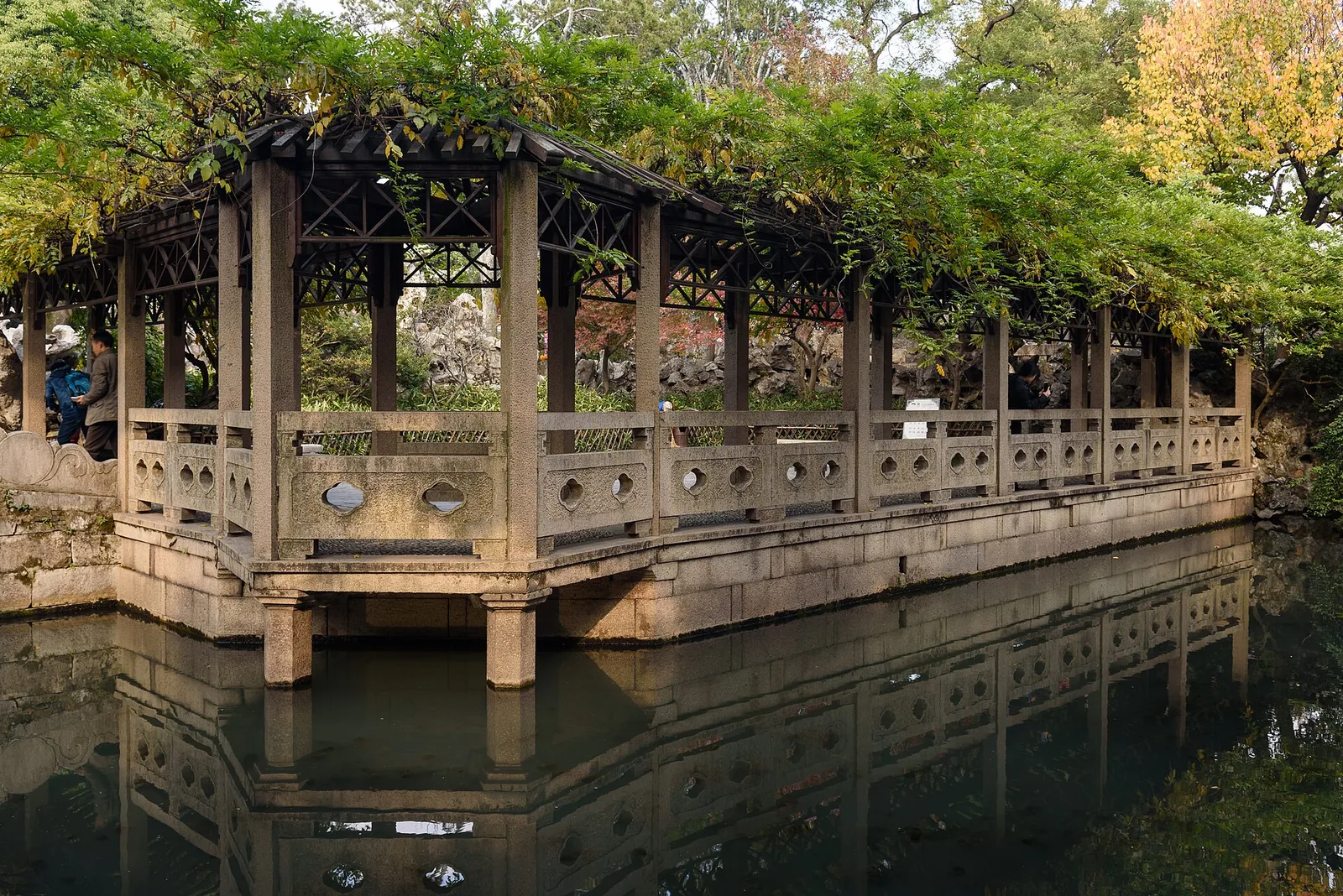 05 Guqin: a private listening The guqin is the quietest instrument in Chinese music. It was made for a small room, not a concert hall. This is a private listening, with a player who can explain what you are hearing.
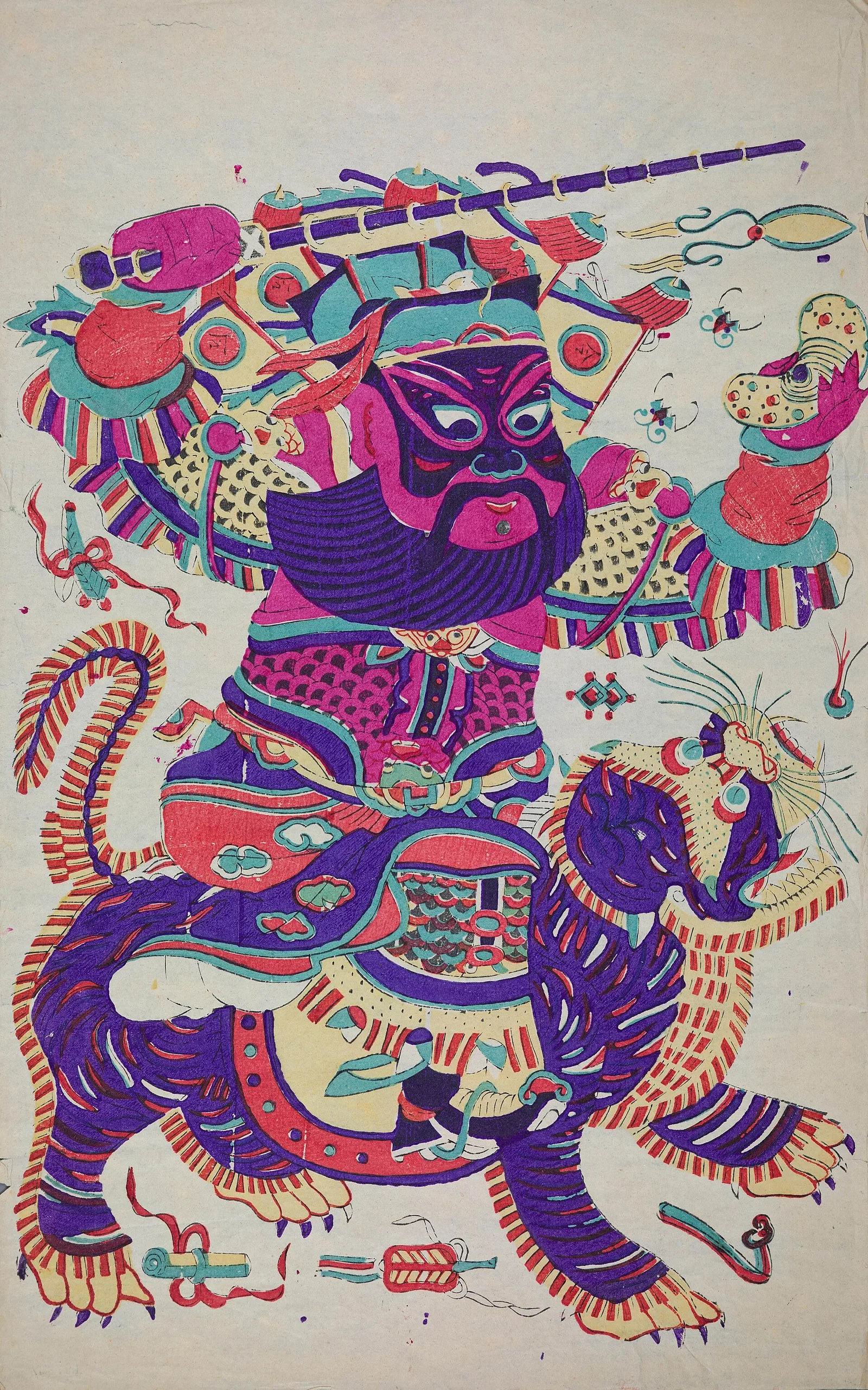
 06 Print a Taohuawu New Year picture Taohuawu prints were made for kitchen walls and front doors, not museums. They are loud, coded and full of blessings. This is a half-day in a workshop, learning how the image is cut and printed.
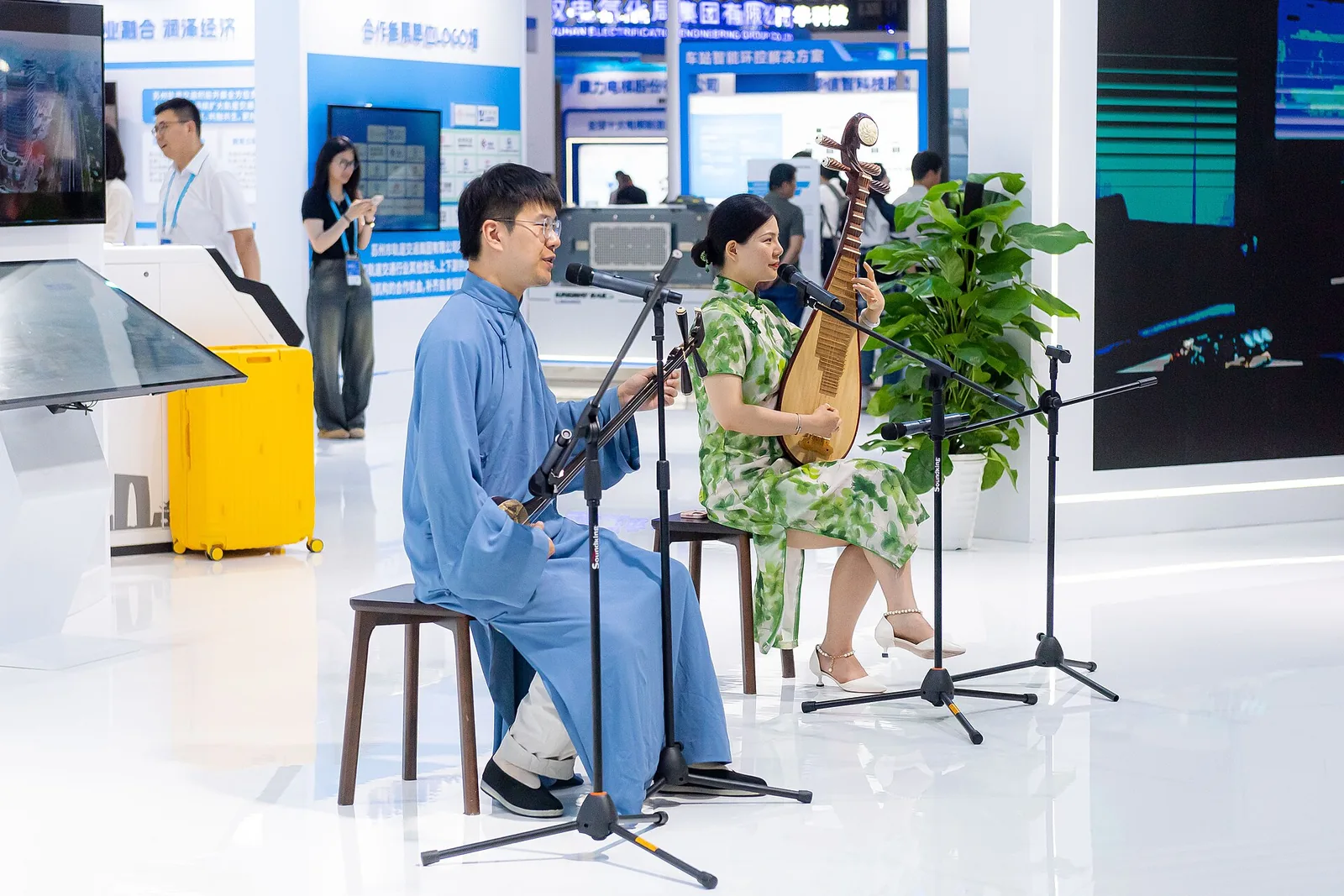
 07 An afternoon of pingtan Pingtan is the sound of Suzhou at leisure: two performers, a lute, a small drum and a story told over tea. It is informal, funny and the easiest of the city’s performing arts to love.
How it works
Three steps, no package.
You are not choosing from a catalogue and paying online. You are starting a conversation about a specific craft, a specific artist and a specific date.
- 01
Tell me what you want to understand
Your dates, group size, and the tradition that interests you. A sentence is enough. If you are between two experiences, say so.
- 02
I propose a shape and a written quote
One or two options, the artist’s availability, what is included, and the price for the group. No deposit is taken through this website.
- 03
The artist leads the craft
I host the day in English and handle the logistics. The maker leads the work. You leave with a better eye, not a certificate.
Ways in
Studio, stage or three days
Start with the shape of the day that fits your schedule. Each experience can stand alone, and the three-day immersion puts the others in sequence.
Time with a maker, in a working room, with materials and interpretation. The embroidery day is the most accessible; the Xiangshan workshop is the most architectural; the Taohuawu session is the most hands-on and the best choice for families.
A day at the embroidery frame The Xiangshan workshop Print a Taohuawu New Year picturePerformance is the hardest part of Suzhou’s culture to read without help. These are private introductions: a plot briefing, a good seat, and a host who can explain what the hands are doing. Kunqu is the most demanding; pingtan is the easiest; guqin is the quietest.
Kunqu, from the inside An afternoon of pingtan Guqin: a private listeningThree days that put the pieces in sequence: gardens at opening, the museum, silk and embroidery, a workshop, the canal and a performance. It is the best choice if you want the city to explain itself rather than collect a set of sights.
The three-day Suzhou immersion Three days of Suzhou culture Living heritage