This route assumes you have three full days and want to understand Suzhou rather than collect it. It is not the only good route, and it is not a checklist. It is a sequence that moves from the garden to the museum to the workshop, so that each place explains the next.
The pace is deliberate. A garden at 7:30 is a different place from a garden at 11:00. A museum after lunch is a different experience from a museum at opening. The route uses time to protect the best hours, and it leaves the middle of the day for travel, food and rest.
Who this route is for
It suits travellers who are happy to spend two hours in a museum, who want to see a craft demonstrated, and who would rather see one performance than three. It does not suit anyone trying to “do Suzhou” in a day, or anyone who finds gardens repetitive. If you are travelling with young children, shorten the museum blocks and add the print workshop.
It also assumes you can walk and use stairs. The gardens are mostly level, but some rockeries and pavilions have steps. The museums are accessible. If mobility is an issue, choose the Humble Administrator’s and Lingering Garden, skip Lion Grove, and use taxis between the old town and the museums.
Day 1: the garden and the museum
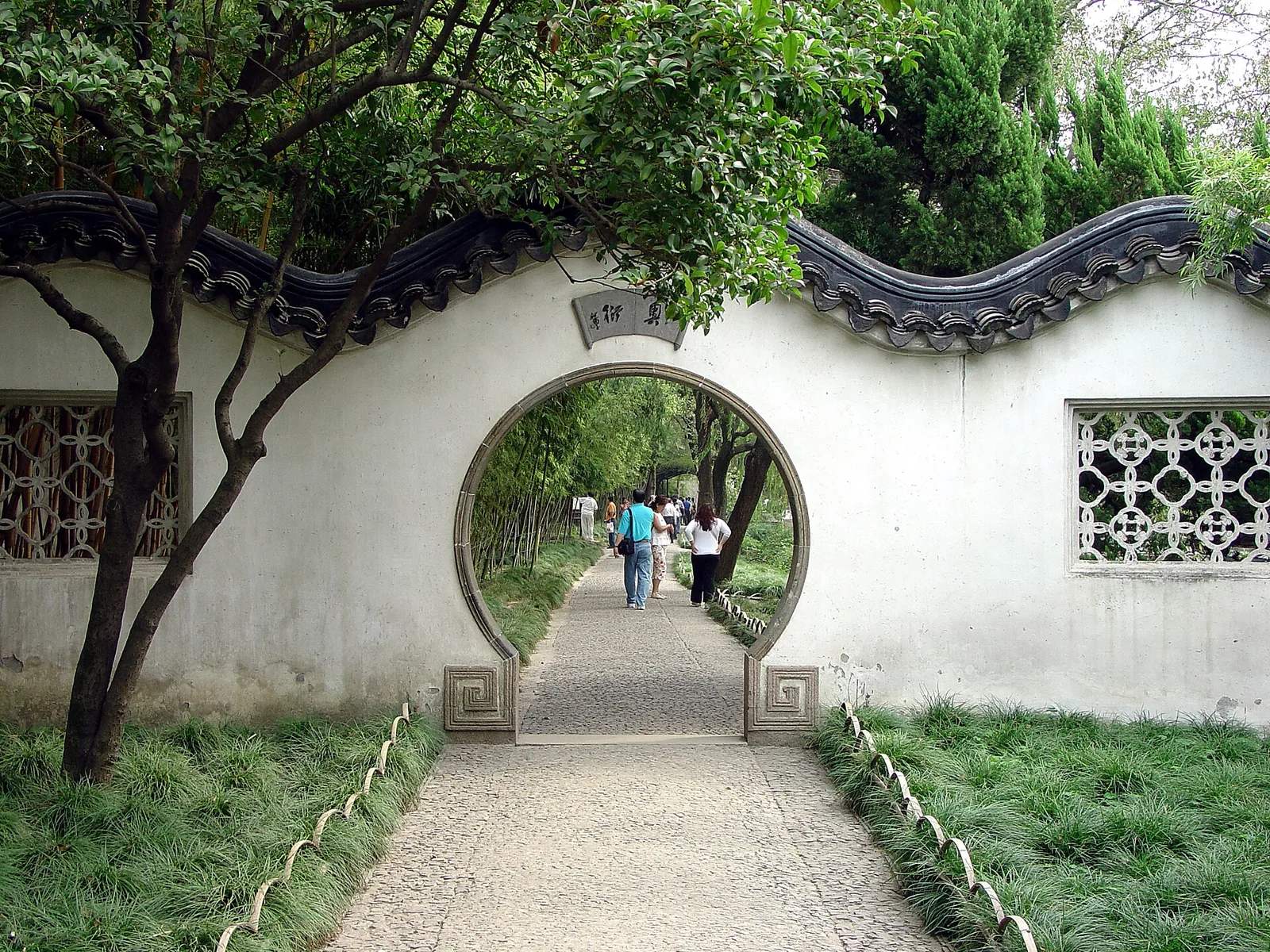
Start at the Humble Administrator’s Garden at opening. Enter the east garden first, then the central pond, then the west garden. The sequence matters: the garden is designed to unfold, and the crowds arrive later. Allow two and a half hours. If you have not booked, go anyway; the garden is large enough to absorb a queue, but the best hour is early.
At 10:30, walk to the Suzhou Museum. Book a slot in advance; entry is free but capped. Spend 90 minutes on the building, the Wu School painting and calligraphy, and the ceramics. The museum’s rear garden is a modern interpretation of the classical vocabulary, and it is worth a few minutes before you leave.
Lunch near Pingjiang Road, then walk the canal south to north. The afternoon is for the side lanes and the Couple’s Retreat Garden if you have energy. In the evening, see Kunqu at the Master of the Nets or the China Kunqu Opera Museum. A short excerpt is enough for a first experience; read the plot summary before you go.
| Time | Place | Why |
|---|---|---|
| 07:30 | Humble Administrator’s Garden | The full garden vocabulary, before the crowds |
| 10:30 | Suzhou Museum | Wu School painting and the city’s material culture |
| 13:00 | Lunch near Pingjiang | Noodles, then a canal walk |
| 15:00 | Couple’s Retreat or Pingjiang lanes | A smaller garden and the ordinary city |
| 19:30 | Kunqu excerpt | The literary opera in a proper room |
Day 2: silk, embroidery and craft
Begin at the Suzhou Silk Museum at 9:00. It explains the industry from mulberry leaf to finished cloth, and the live looms make the history tangible. Allow 90 minutes. Then take a taxi or bus to the Suzhou Embroidery Research Institute at Huanxiu Villa on Jingde Road. The embroidery display and sales side is usually free; the garden rockery carries a separate ticket.
Lunch in the old town, then go to the Suzhou Museum West for the Suzhou Crafts Gallery. This is the best single collection of the city’s decorative arts: embroidery, kesi, Song brocade, fans, prints, furniture and jade. Allow two hours. The museum is free and closed on Mondays; the metro takes about 20 minutes from the old town.
In the evening, go to a Pingtan teahouse. Pingtan is easier than Kunqu for a first-timer: two performers, a lute, a story and a room full of locals. The language is a barrier, but the atmosphere is not. Order tea, sit near the front, and stay for an hour.
| Time | Place | Why |
|---|---|---|
| 09:00 | Suzhou Silk Museum | The industry that paid for the gardens |
| 11:00 | Embroidery Research Institute | The city’s most exacting handwork |
| 14:00 | Suzhou Museum West | The full craft collection under one roof |
| 18:30 | Pingtan teahouse | The local evening, not a tourist show |
Day 3: canal, print and performance
Start at Panmen, the surviving water gate and wall section. Walk the canal, look at the bridge and the gate, and read the interpretation boards. Allow 90 minutes. This is the clearest place to understand how Suzhou’s water system worked as infrastructure, not scenery.
Then go to the Taohuawu area for the New Year print museum or experience hall. The craft is a good counterweight to the elite arts: bright, popular and full of coded blessings. If the museum is closed, the Suzhou Art Museum may have prints on display. In the afternoon, choose one: a fan shop, a Ming furniture showroom, or a guqin concert in Changshu.
If you choose Changshu, take the train from Suzhou Station (about 40 minutes) and visit the Guqin Art Museum in the Maiwang Guan library. Check the concert schedule before you go. If you stay in Suzhou, end with a canal walk at dusk and an early dinner. The last evening should be quiet; the city is best when the tour groups have gone.
| Time | Place | Why |
|---|---|---|
| 08:30 | Panmen and the Grand Canal | The water system as engineering |
| 10:30 | Taohuawu print museum | The city’s popular visual language |
| 14:00 | Fan shop, furniture showroom or Changshu | Choose one deep encounter |
| 18:00 | Canal at dusk | The unplanned hour |
The trade-offs
Mondays are the main constraint: the Suzhou Museum, Suzhou Museum West and the China Kunqu Opera Museum are usually closed. The gardens are open. If your trip includes a Monday, swap Day 1 and Day 2, or use Monday for Panmen, a garden and a canal walk.
Rain is not a reason to cancel. The gardens were built for rain: covered corridors, listening pavilions, wet stone. The museums are indoor. If the rain is heavy, cut the canal walk and add a teahouse. If it is hot, do the garden at opening and the museums in the afternoon.
If you have only two days, cut Day 3. Choose either Panmen or the print museum, and use the extra time for a second garden or a longer lunch. If you have four or five days, add Tongli, a second water town, or a day trip to Hangzhou. Do not add more gardens; add more time in the ones you have.
Where to stay
Stay in the old town, within walking distance of Pingjiang Road or the Humble Administrator’s Garden. A courtyard hotel or a restored house can add to the experience, but check the room before you book: some “heritage” hotels are more atmosphere than comfort. The industrial park and Jinji Lake are convenient for business travellers, not for this route.
If you want a private version of this route — with a hosted day, a studio visit or a performance arranged — the three-day immersion follows the same sequence and adds the makers. Otherwise, use this page as it stands: the best itinerary is the one that leaves room for the hour you did not plan.
Questions people ask
Is three days enough for Suzhou?
Three days is enough for a culture-focused first visit: gardens, museums, craft and one performance. Four or five days lets you add a water town, Changshu or a slower pace.
What if it rains?
The gardens are still worth visiting in rain, and the museums are indoor. Carry an umbrella, wear shoes with grip, and use the covered corridors. If the rain is heavy, replace the canal walk with a teahouse.
Are museums closed on Mondays?
The Suzhou Museum, Suzhou Museum West and the China Kunqu Opera Museum are usually closed on Mondays, except public holidays. The gardens are open. Check the official sites before you go.
Can I do this route with children?
Yes, but shorten the museum blocks and add the print workshop or a canal boat. The gardens are good for children if you keep the visit under two hours and avoid the rockery maze.