§ The sweet city
The table
Suzhou food is delicate, faintly sweet, and built around texture. A bowl of noodles can be the best meal of your trip. A famous banquet dish can be the most disappointing. Order like a local, not a checklist.
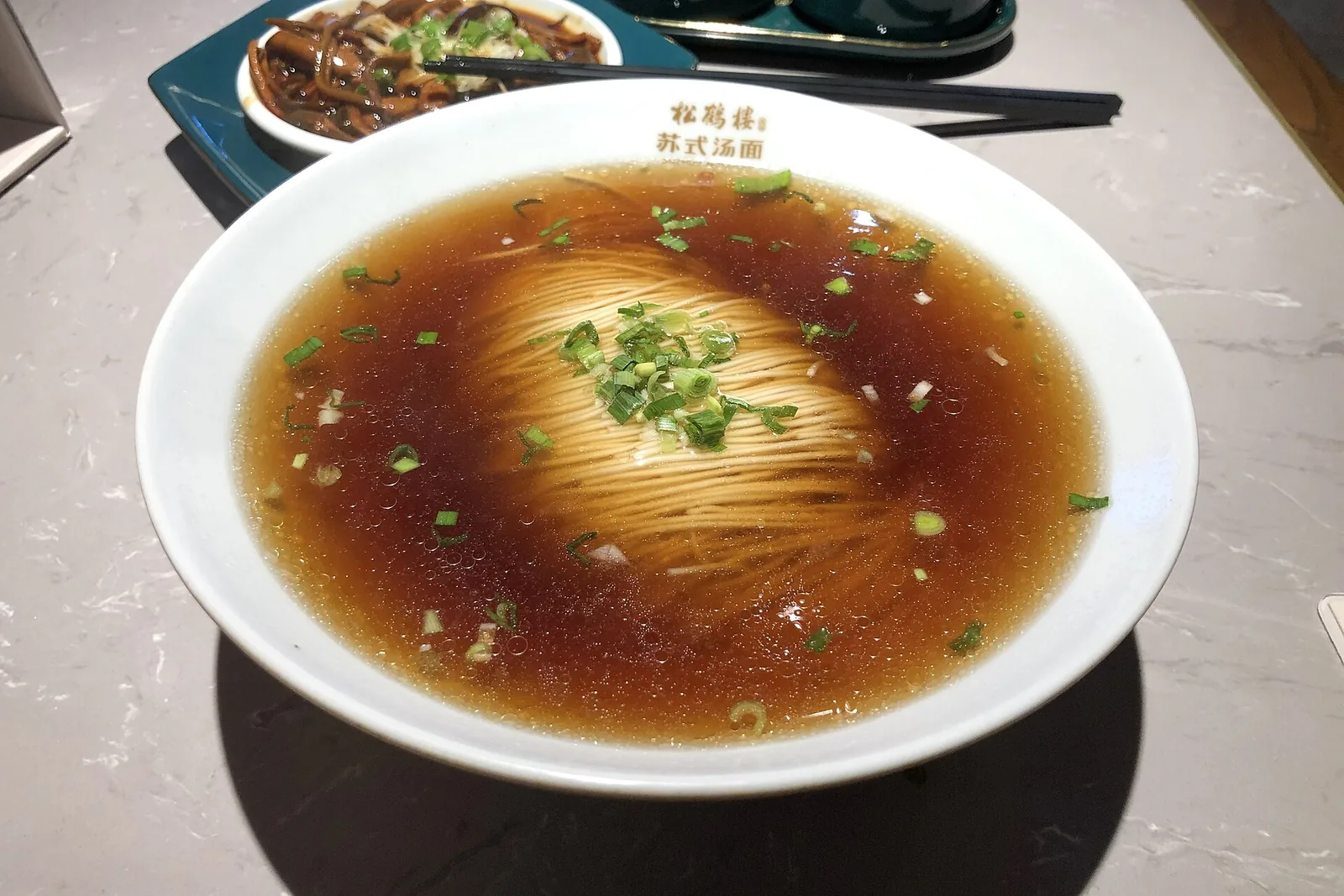
Suzhou cooking is often described as sweet. That is only half true. It is sweet in the way that a good stock is sweet: the sweetness comes from ingredients, not sugar. The real signature is texture — springy noodles, slippery eel, soft tofu, crisp fried fish, tiny river shrimp.
The city’s best everyday food is not in a grand restaurant. It is in a noodle shop at 7:30, a breakfast stall near a canal, a teahouse with a plate of seeds, or a family place that sells one seasonal dish until it runs out. The famous dishes are worth trying, but they are not the whole table.
Autumn is the serious season: hairy crab, osmanthus, and the last good river fish before winter. Spring is bamboo shoots and green vegetables. Summer is lotus and cold noodles. Winter is braised things and hot broth. Eat the calendar, not the menu.
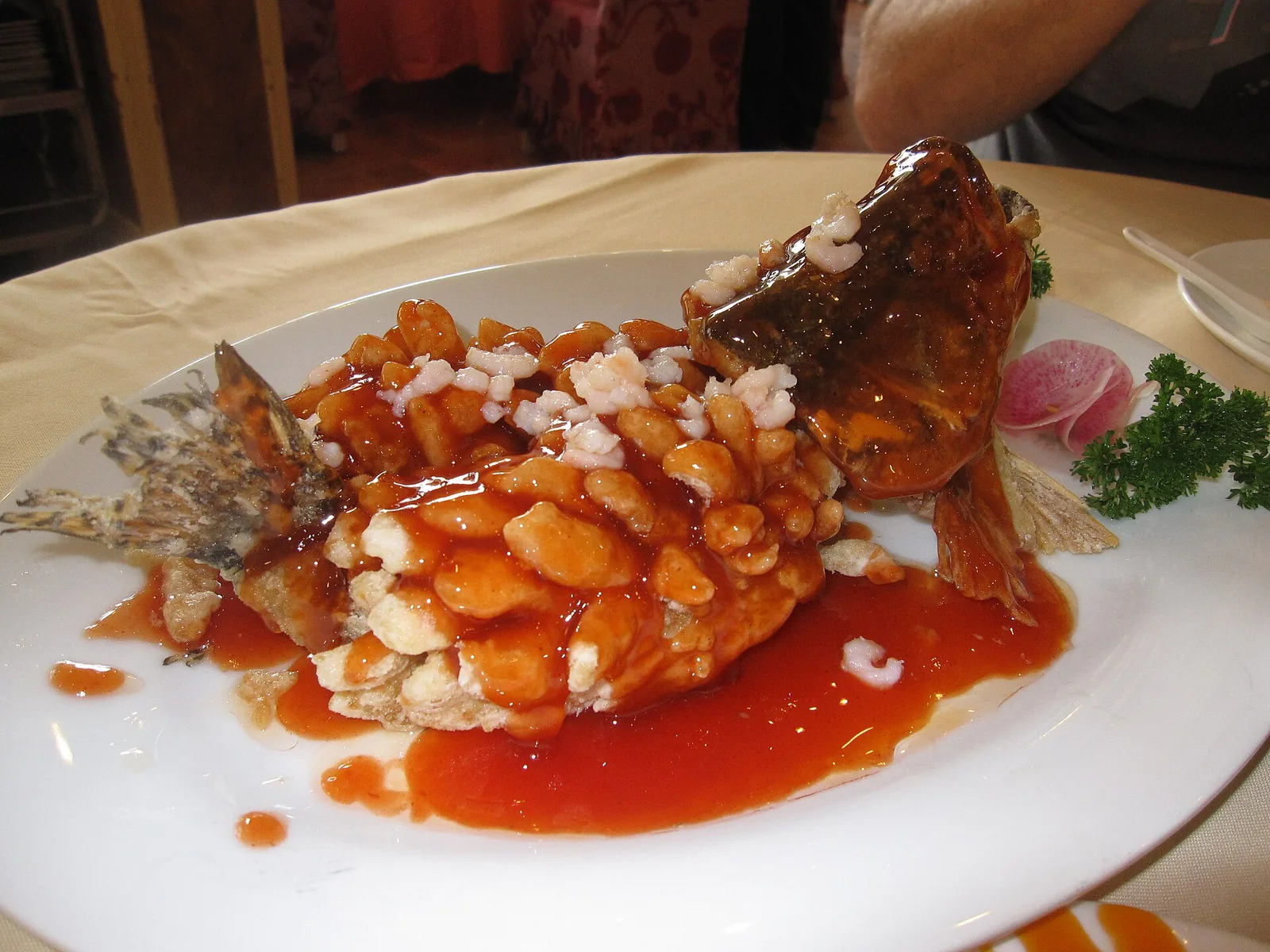
02 Suzhou breakfast Suzhou takes breakfast seriously. The city wakes early, eats well and gets on with the day. Join it: a bowl of noodles, a fried dough stick and a cup of soy milk will cost less than a coffee. 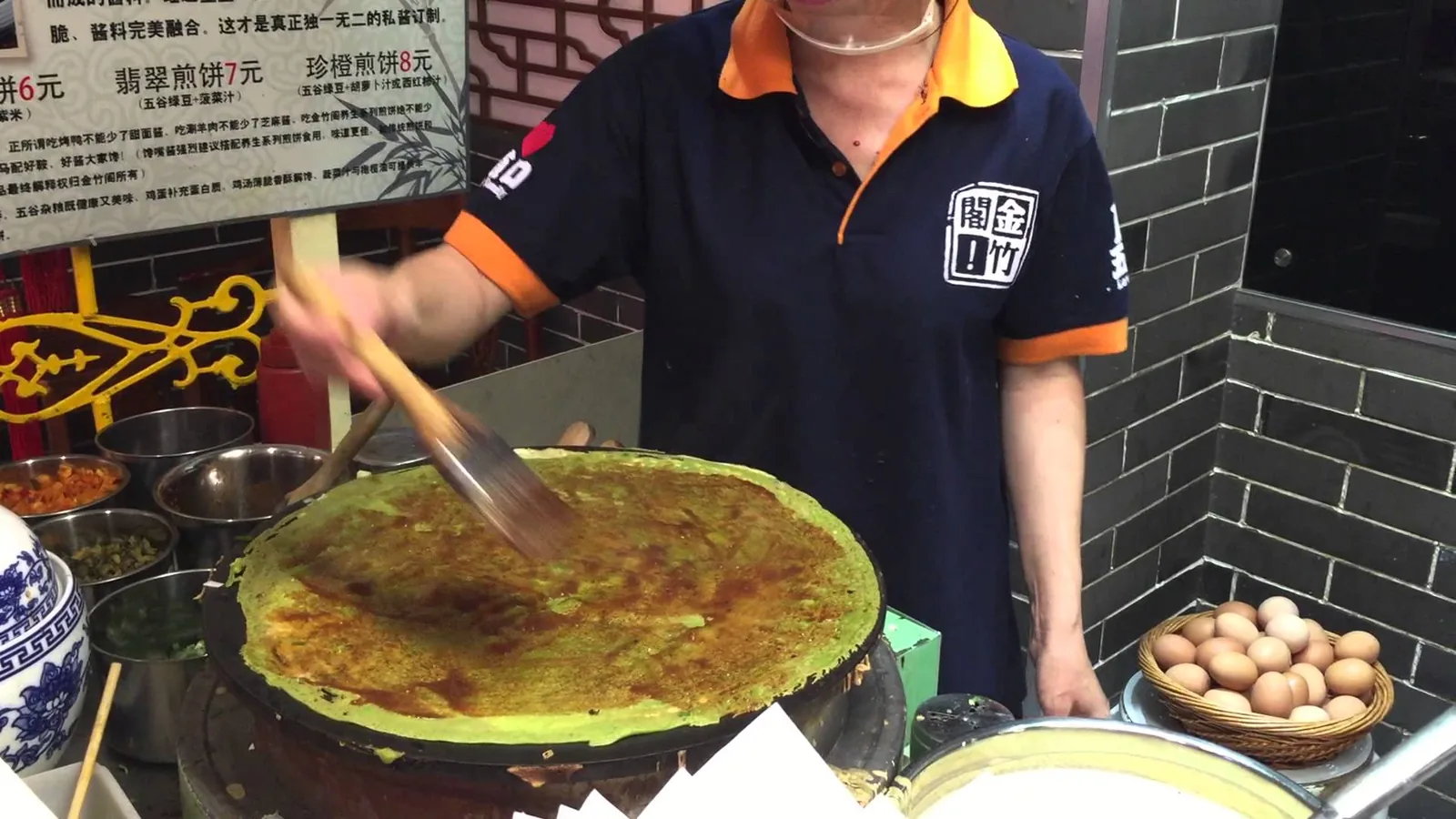 03 Squirrel fish, honestly Squirrel fish is Suzhou’s most famous dish and its most misunderstood. It is a whole fish, scored, fried and covered in sweet-sour sauce. It is a spectacle, not an everyday meal. Order it with a group.
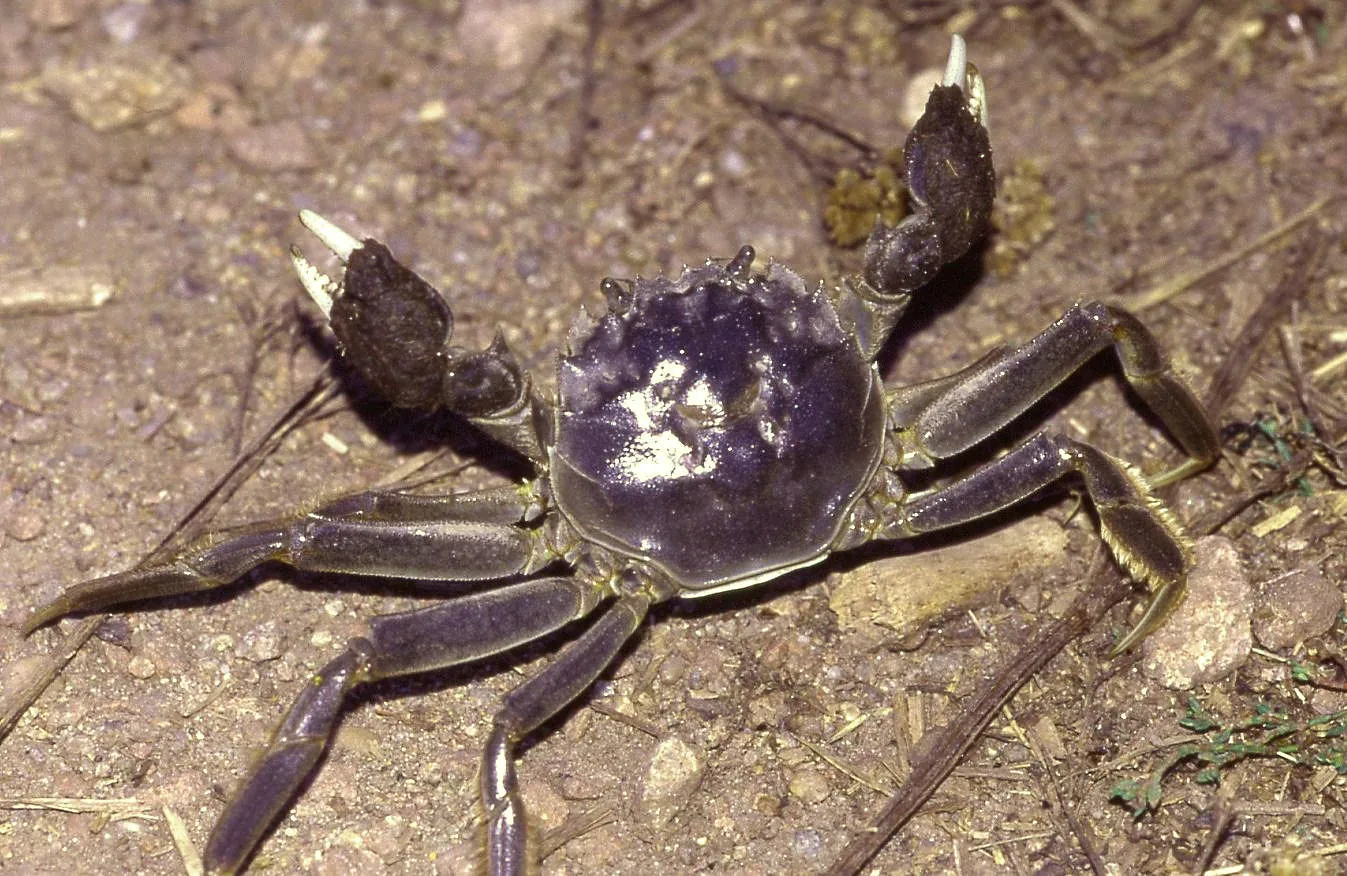
 04 Hairy crab season Hairy crab is Suzhou’s autumn obsession: steamed whole, eaten with ginger and vinegar, and priced by weight and sex. It is delicious, fiddly and expensive. Here is how to do it properly.
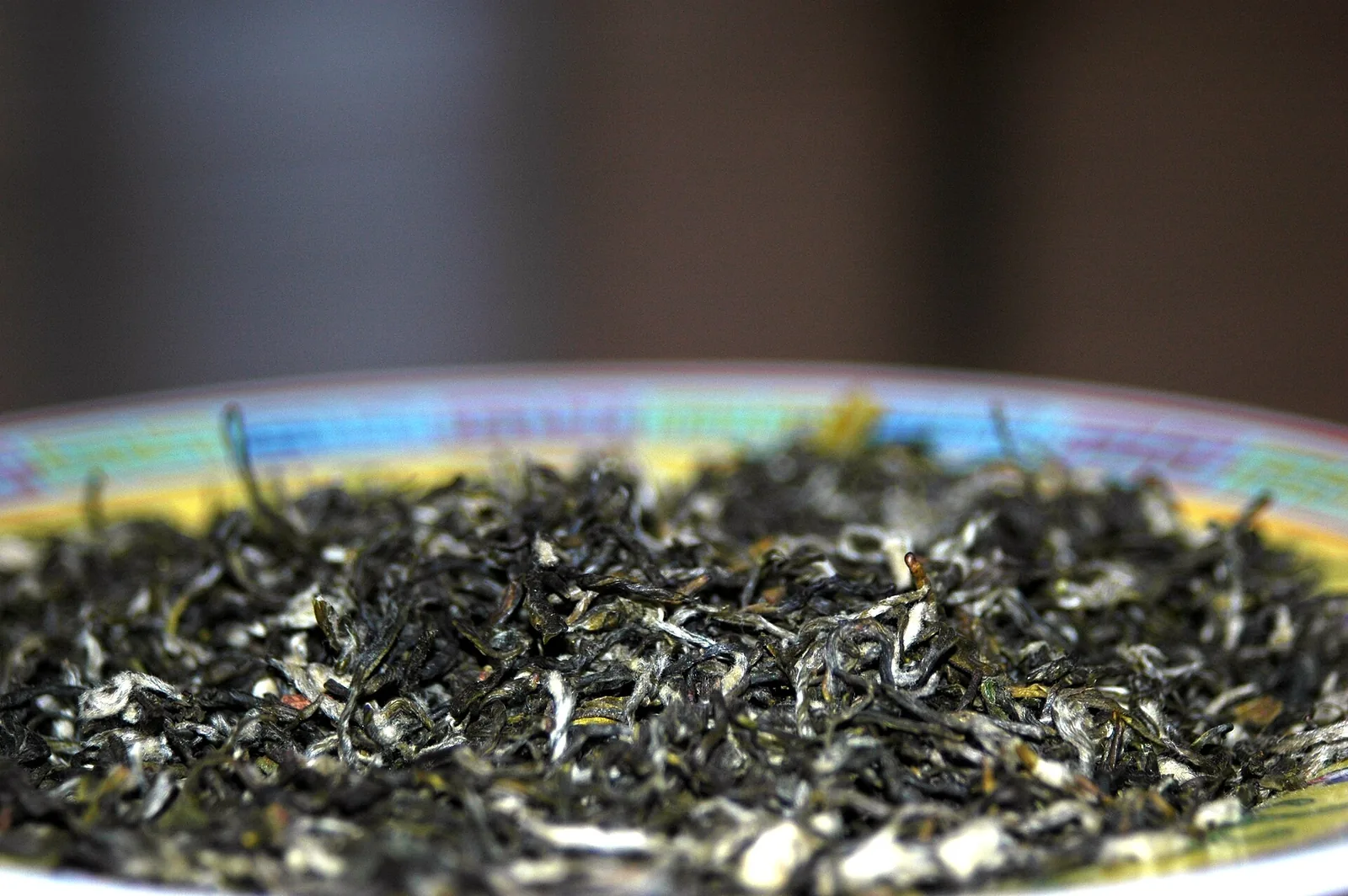
 05 Biluochun tea Biluochun is one of China’s most famous green teas: tiny curled leaves, a floral aroma and a sweet, fresh taste. It is also one of the most counterfeited. Here is how to drink it well.
 06 Where to eat in Suzhou The best food in Suzhou is not on the canal. It is in the lanes, the markets and the neighbourhood restaurants where the menu is short and the locals are regulars. Here is how to find it.
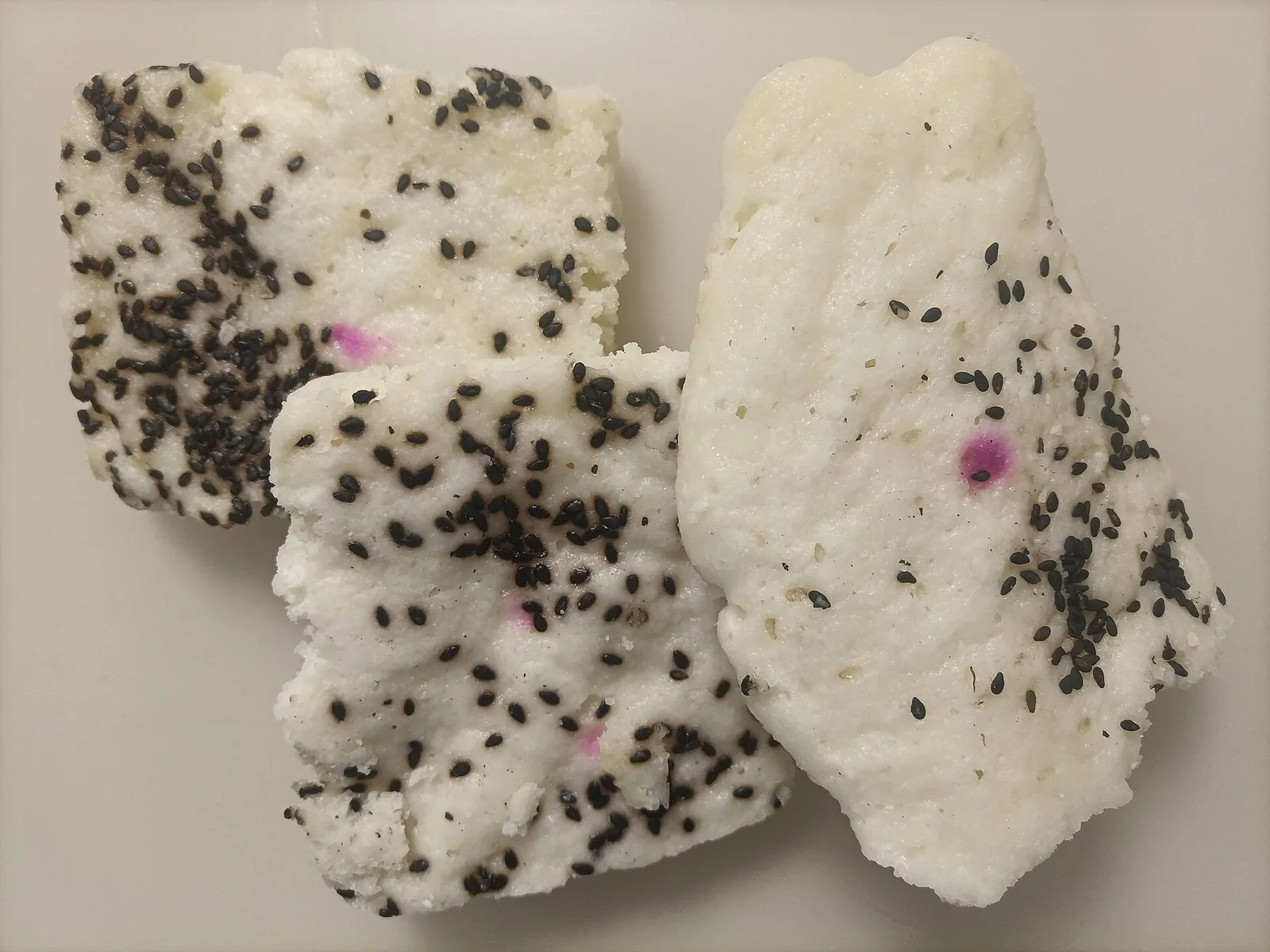 07 Vegetarian and dietary needs Suzhou is not a vegetarian city, but it is a manageable one. Temple restaurants, tofu dishes and vegetable plates make it possible. The challenge is the broth, the lard and the pork.
Ways through
Choose your entry
The same category can be a first visit, a rainy afternoon, or a deep dive. Start with the version that matches your day.
A Suzhou noodle shop is a small education. The broth is clear, the noodles are springy, and the toppings are ordered separately: pork chop, eel, shrimp, mushroom, or a mix. Go early; the best shops sell out of the good toppings.
How to order Suzhou noodles Suzhou breakfastSquirrel fish is a banquet spectacle: scored, fried, and sauced. Order it once with a group, not alone. Hairy crab is a serious autumn ritual, priced by weight and sex. Biluochun tea is the local green tea, and the real thing is expensive.
Squirrel fish, honestly Hairy crab season Biluochun teaOld town for old-school shops, Pingjiang for convenience, Shantang for snacks, and the neighbourhoods away from the canals for better value. Use a translation app, point at what looks good, and avoid any restaurant with a photo menu and a tout at the door.
Where to eat in Suzhou Vegetarian and dietary needsPrivate experiences
Want to meet the makers?
I arrange a small number of private cultural experiences in Suzhou — studio time with an embroiderer, a Kunqu evening, a Xiangshan workshop, a three-day immersion. Tell me your dates and what you want to understand, and I will tell you honestly what is possible.