Suzhou food is often misunderstood. It is not all sweet, and it is not all banquet dishes. The everyday table is delicate and seasonal: river fish, freshwater shrimp, tofu, bamboo shoots, greens, noodles and small sweets. The best meals are often cheap and served in plain rooms.
The neighbourhoods
The old town has the highest concentration of restaurants, but the tourist streets are the worst value. Walk one or two blocks back from Pingjiang Road or Shantang Street and the prices drop and the quality rises. The area around the old town’s markets is excellent for breakfast and lunch. The modern city around Jinji Lake has more polished restaurants, including good Sichuan, Cantonese and international food, but less local character.
| Meal | Area | What to order |
|---|---|---|
| Breakfast | Residential lanes | Noodles, congee, soy milk |
| Lunch | Near a market | Noodles, dumplings, stir-fries |
| Dinner | Old town back streets | River fish, shrimp, greens |
| Tea | Old town teahouses | Biluochun, snacks |
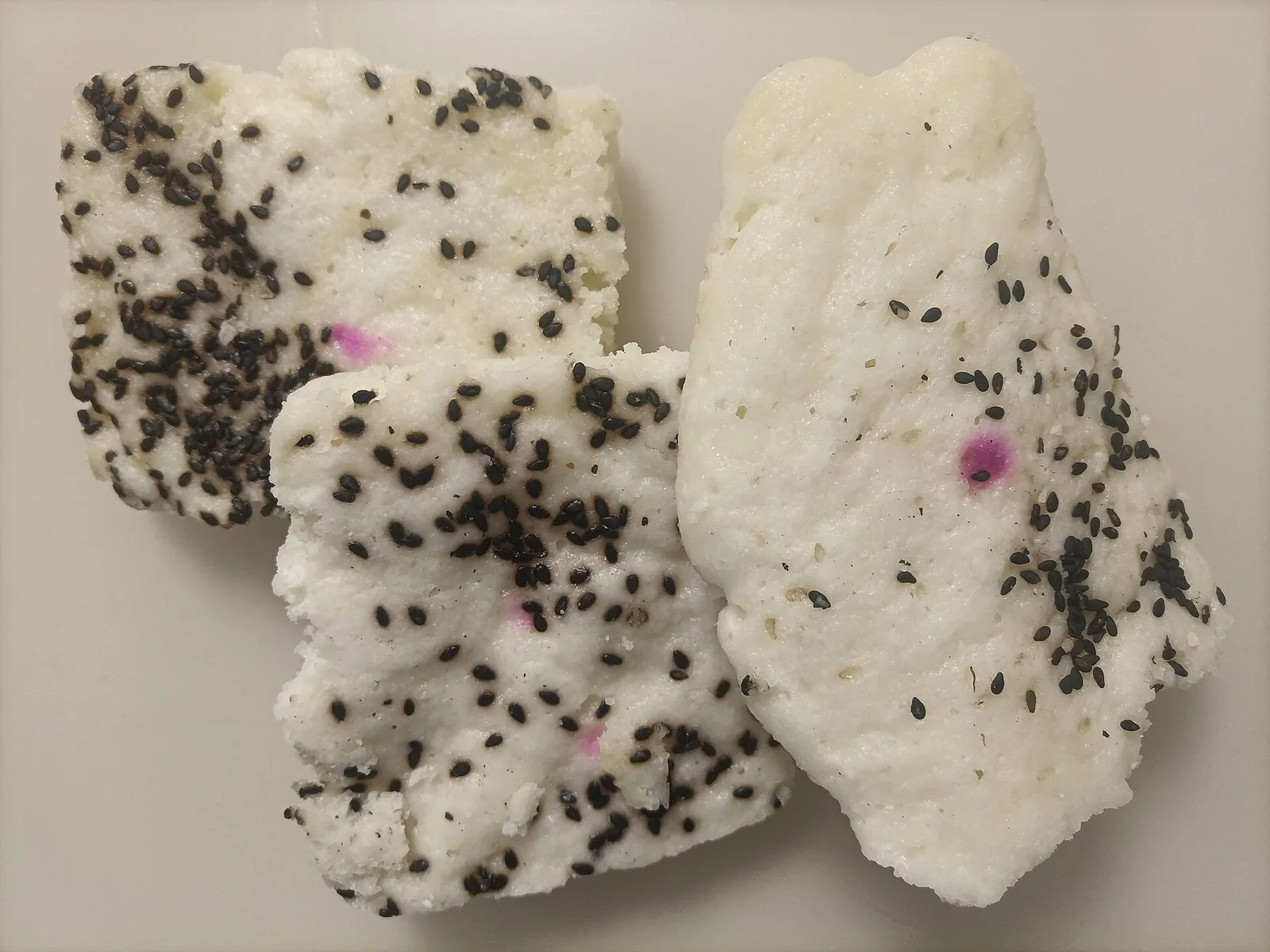
| Sweets | Pingjiang side lanes | Osmanthus cake, rice cakes |
How to spot a good restaurant
A short menu is a good sign. A visible kitchen is a good sign. Local customers, plastic stools and a queue are good signs. A photo menu with English translations, a tout at the door and a “special set menu” are warning signs. So is any restaurant that promises “authentic Suzhou food” in three languages without a single local customer.
Look at what people are eating. If every table has the same dish, order it. If the menu is enormous, the kitchen is probably reheating. If the prices are suspiciously low, the ingredients are probably cheap. If the prices are suspiciously high and the room is empty, walk away.
What to order
Start with a noodle soup or a few cold dishes. Order a river fish or shrimp if it is available. Add a tofu dish, a seasonal green vegetable, and a soup. Finish with a small sweet. If you are with a group, add squirrel fish or hairy crab in season. If you are alone, a bowl of noodles and a side dish is a complete meal.
Suzhou food is lightly seasoned. Do not expect heat. If you want spice, ask for chilli oil or order a Sichuan dish. If you want vegetarian food, see the separate guide; it requires planning.
Practicalities
Many restaurants are cashless. Set up Alipay or WeChat Pay, or carry cash for small shops. English menus are uncommon outside tourist areas. Pointing at dishes and using a translation app works. Tipping is not expected. Reservations are rarely needed for casual restaurants, but popular places fill up at lunch and dinner.
If you have allergies or dietary restrictions, learn the phrases or carry a card. Peanuts, shellfish and pork are common. Ask before ordering. Do not assume a dish is vegetarian because it looks like vegetables; it may be cooked with pork fat or oyster sauce.
Questions people ask
What food is Suzhou famous for?
Suzhou is known for noodles, river fish, freshwater shrimp, hairy crab, squirrel fish, tofu dishes, delicate sweets and Biluochun tea. The style is light, slightly sweet and texture-driven.
Is Suzhou food sweet?
It is subtly sweet, especially braised dishes. The sweetness comes from ingredients and braising, not from added sugar. Not every dish is sweet.
How much does a meal cost in Suzhou?
A bowl of noodles costs 15–40 CNY. A casual restaurant meal for two costs 80–200 CNY. A banquet or crab dinner can cost much more.