§ The garden city
The gardens
Nine UNESCO-listed gardens, one way of seeing. Start with the frame, then choose the garden that fits your hour, your knees, and your tolerance for tour groups.
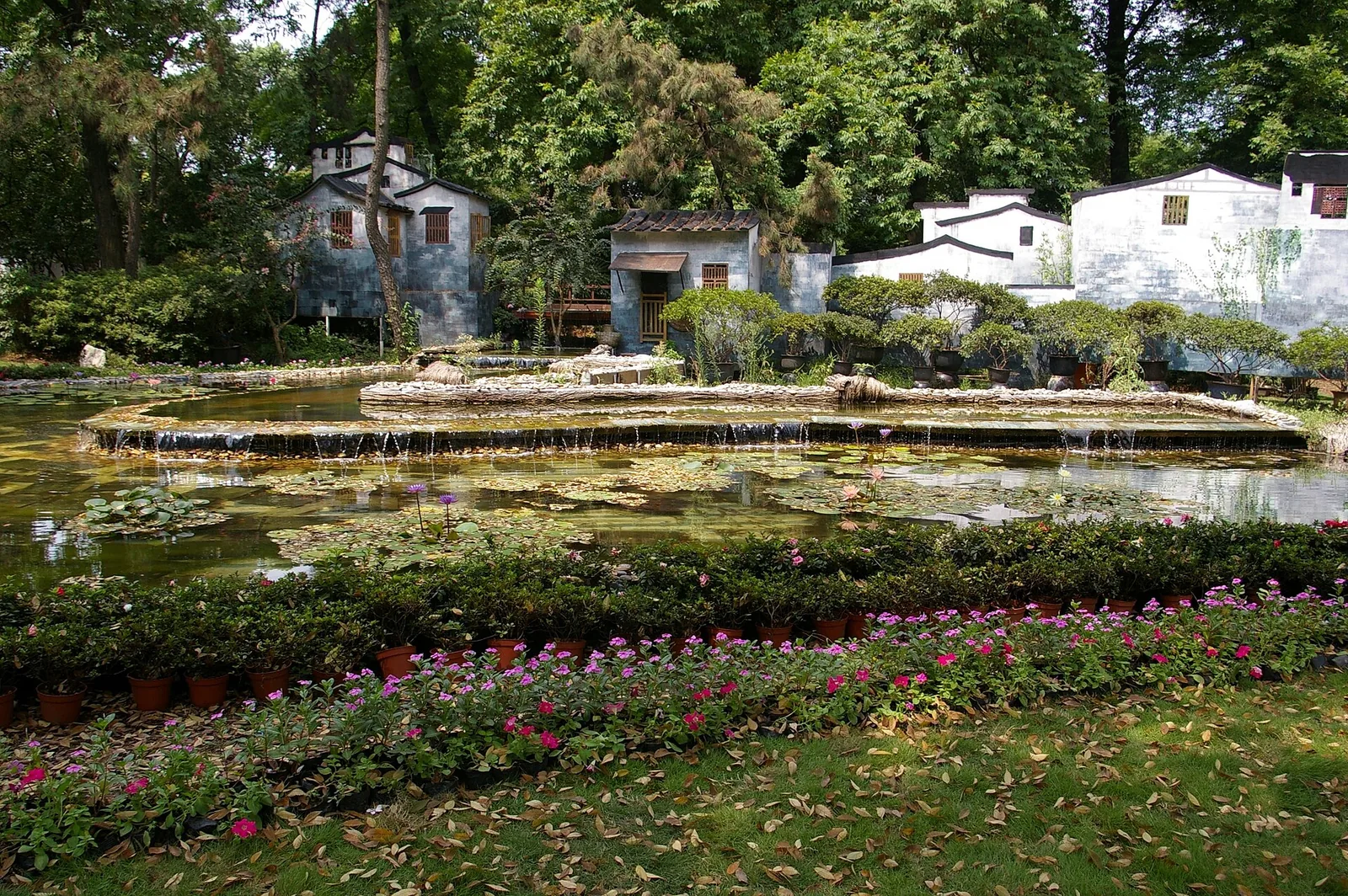
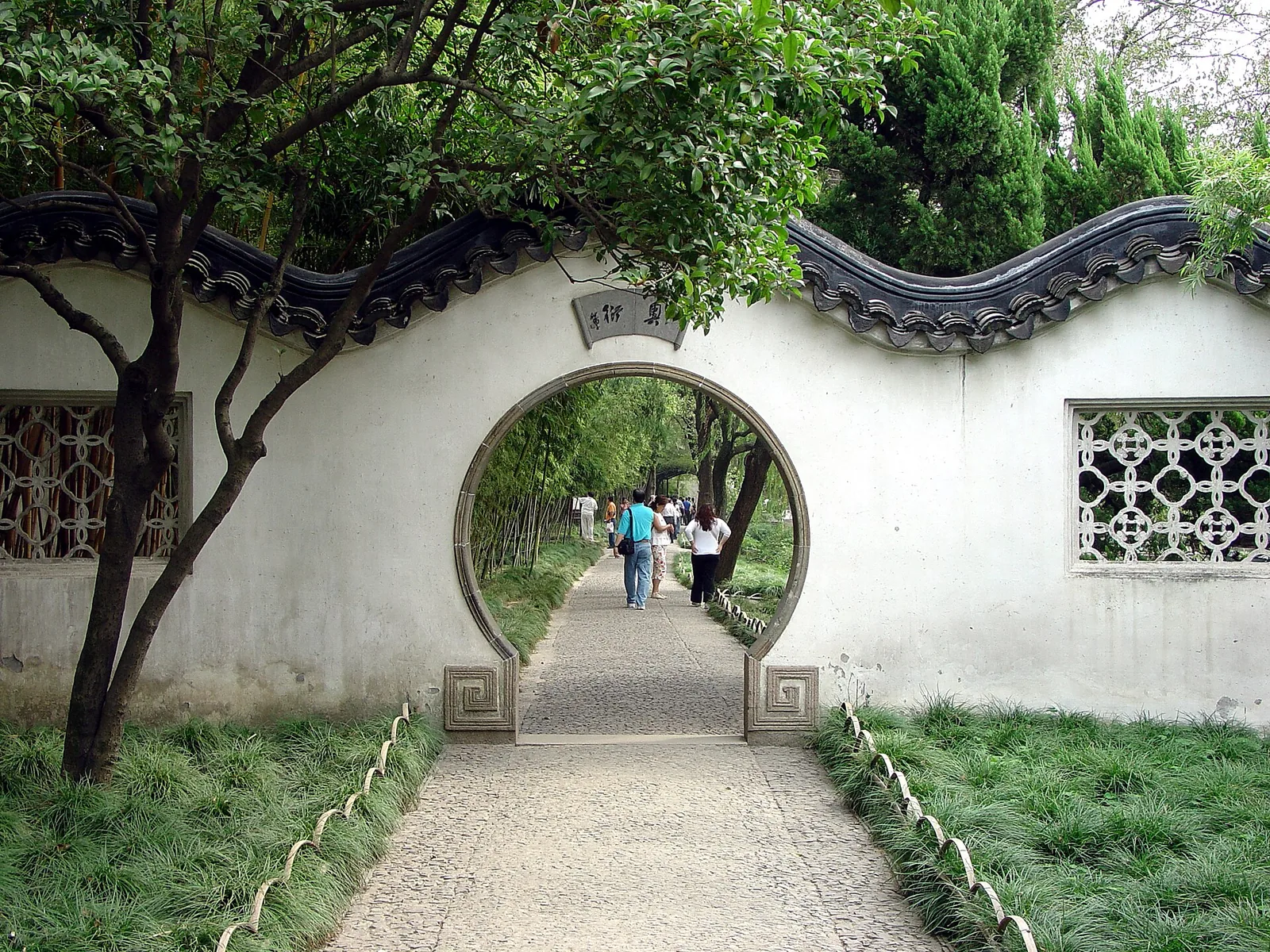
Suzhou’s classical gardens are not botanical collections. They are composed landscapes: a few mu of land made to feel endless by a wall, a window, a rock that reads as a mountain, and a pond that doubles the sky. The path is never direct. It turns, narrows, opens, and gives you a view that was planned centuries ago.
That makes them wonderful and slightly difficult. If you arrive at 10:30 on a Saturday in April with a tour flag in front of you, the garden can feel like a queue with rocks. If you arrive at 7:30, walk to the far end first, and come back through the pavilions, it can feel like the private world it was built to be.
The gardens are also not interchangeable. The Humble Administrator’s is the vast, public, water-led one. The Lingering Garden is the connoisseur’s composition of corridors and rockery. The Master of the Nets is small, expensive, and intimate. Lion Grove is a maze you either love or escape from. Choose by temperament, not by ranking.
02 Which garden should you visit? There are nine UNESCO-listed gardens in Suzhou and no shortage of rankings. Rankings are useless. What matters is whether you have an hour or a morning, whether you can climb stone stairs, and whether the sight of forty tour groups ruins your day. 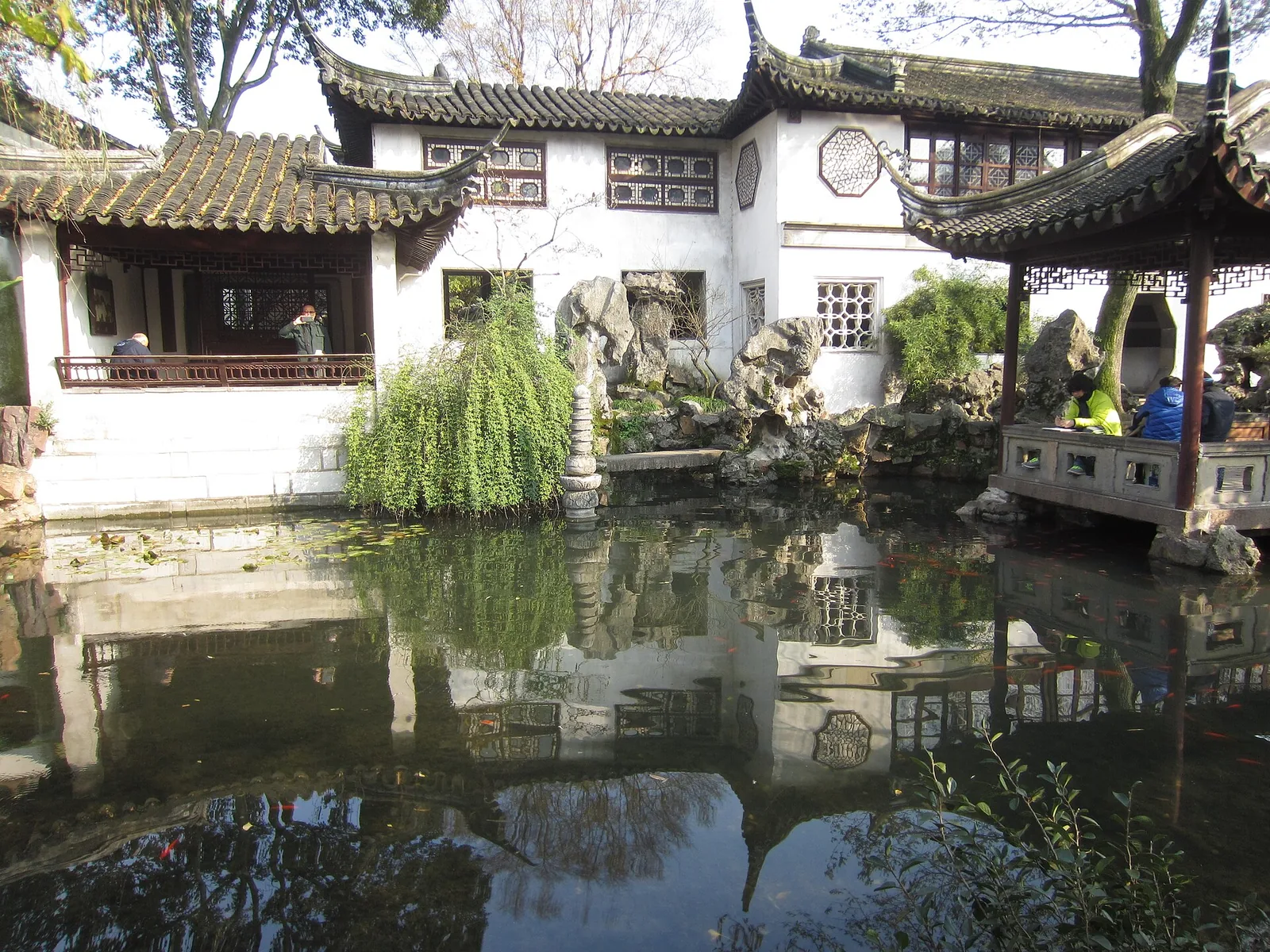 03 How to read a Suzhou garden A Suzhou garden is not a park. It is an argument about how to see. Once you know the six moves it makes, a walk through any garden becomes a conversation instead of a photo opportunity.
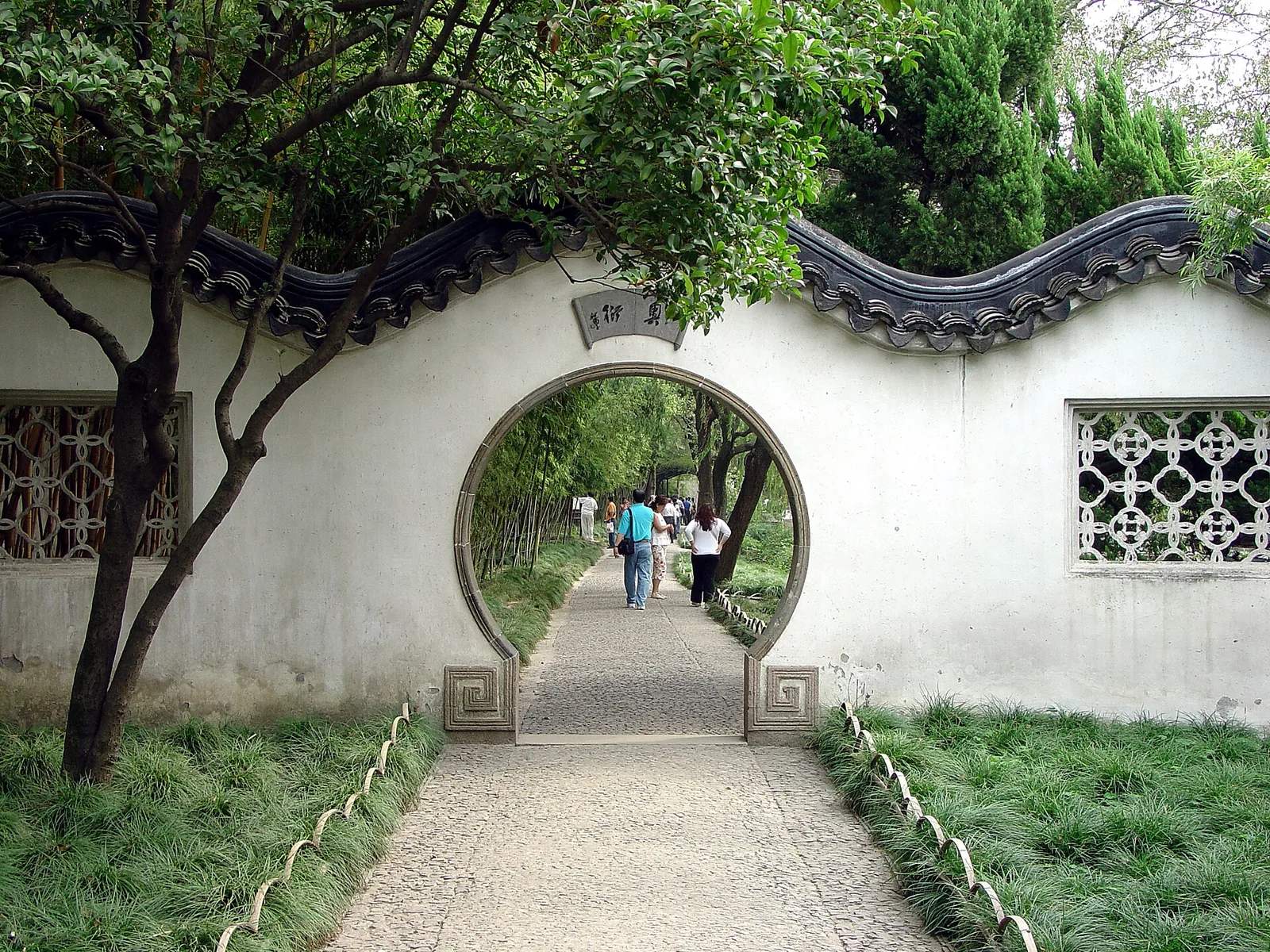 04 The Lingering Garden The Lingering Garden is the one people who know gardens choose. It is a long, narrow site built around corridors and rockery, and it rewards a slower, more curious walk than the famous garden next door. 05 The Master of the Nets Garden The smallest of Suzhou’s famous gardens is also the most perfectly scaled. It is a house, a courtyard and a pond arranged so tightly that every step changes the view. Come late, stay short, and look at everything twice.
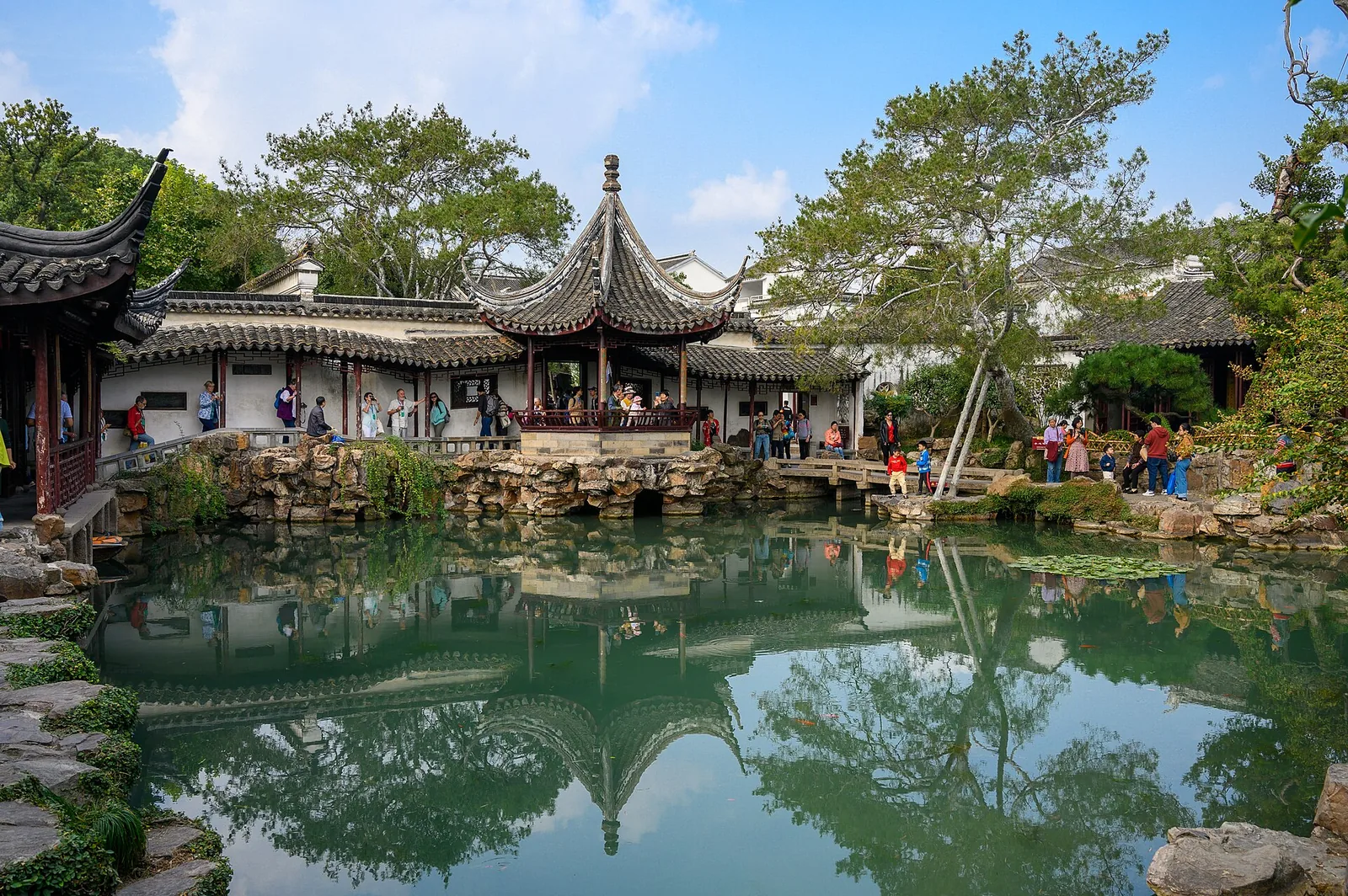 06 The Lion Grove Garden Lion Grove is the playground of Suzhou gardens: a rockery built as a mountain maze, full of caves, steps and dead ends. Children love it. Knees do not. Know what you are walking into.
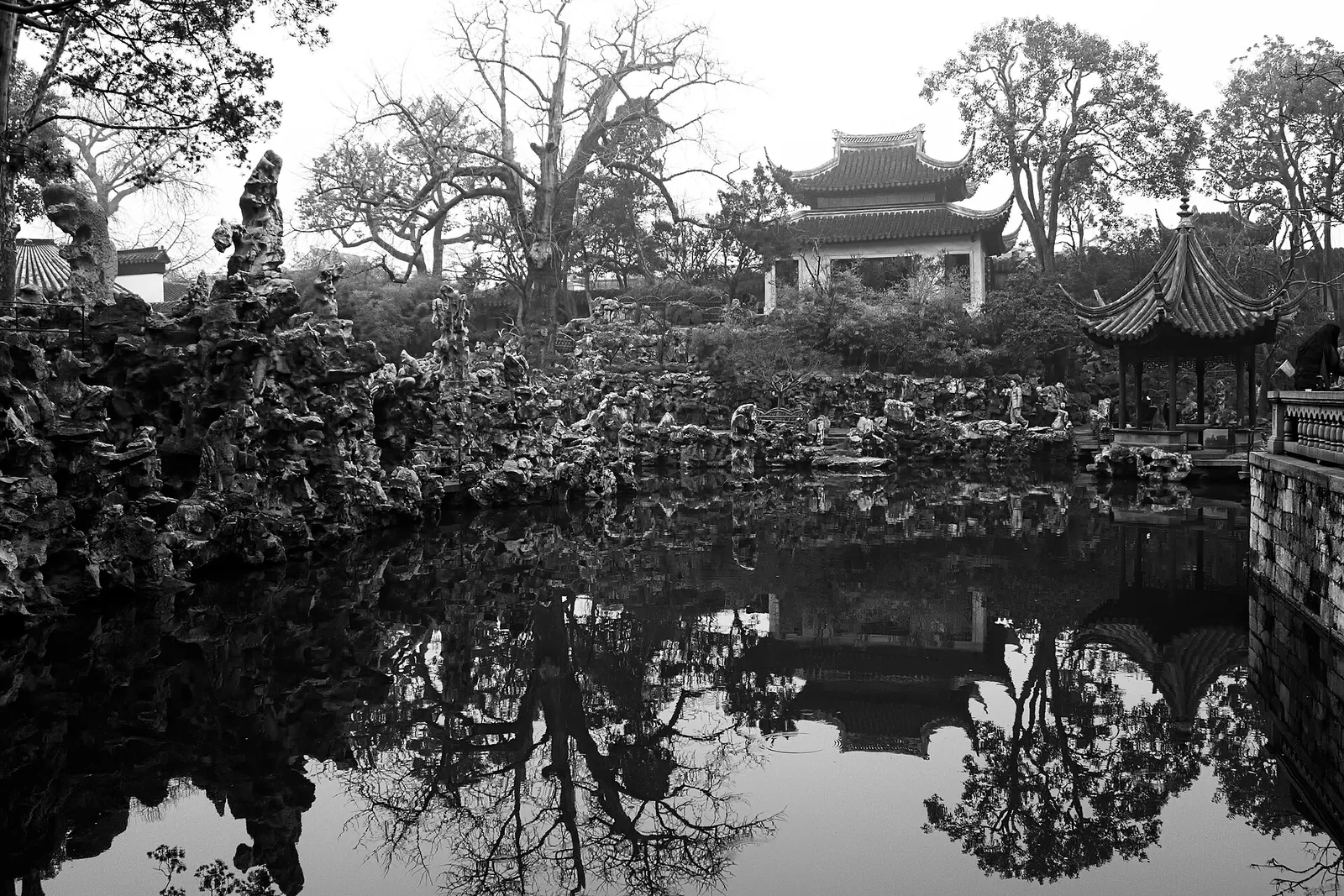 07 The Canglang Pavilion The oldest garden in Suzhou is also one of the least visited. It is a place of bamboo, water and long views, with a quietness that the famous gardens lost long ago.
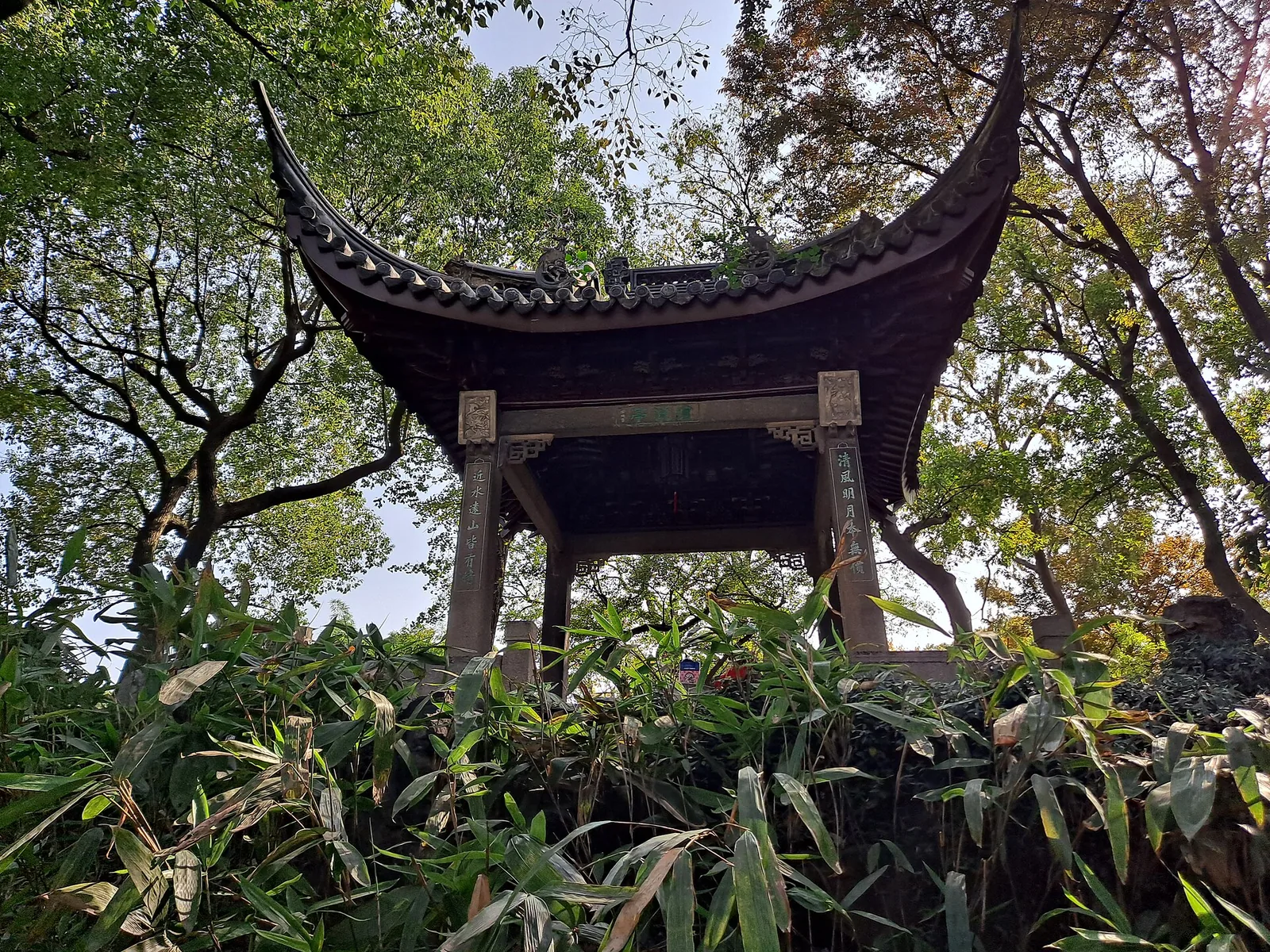 08 The Couple’s Retreat Garden A small garden with a domestic, bookish soul, built by a literary couple in the Qing dynasty. It is not grand. It is the most human garden in Suzhou.
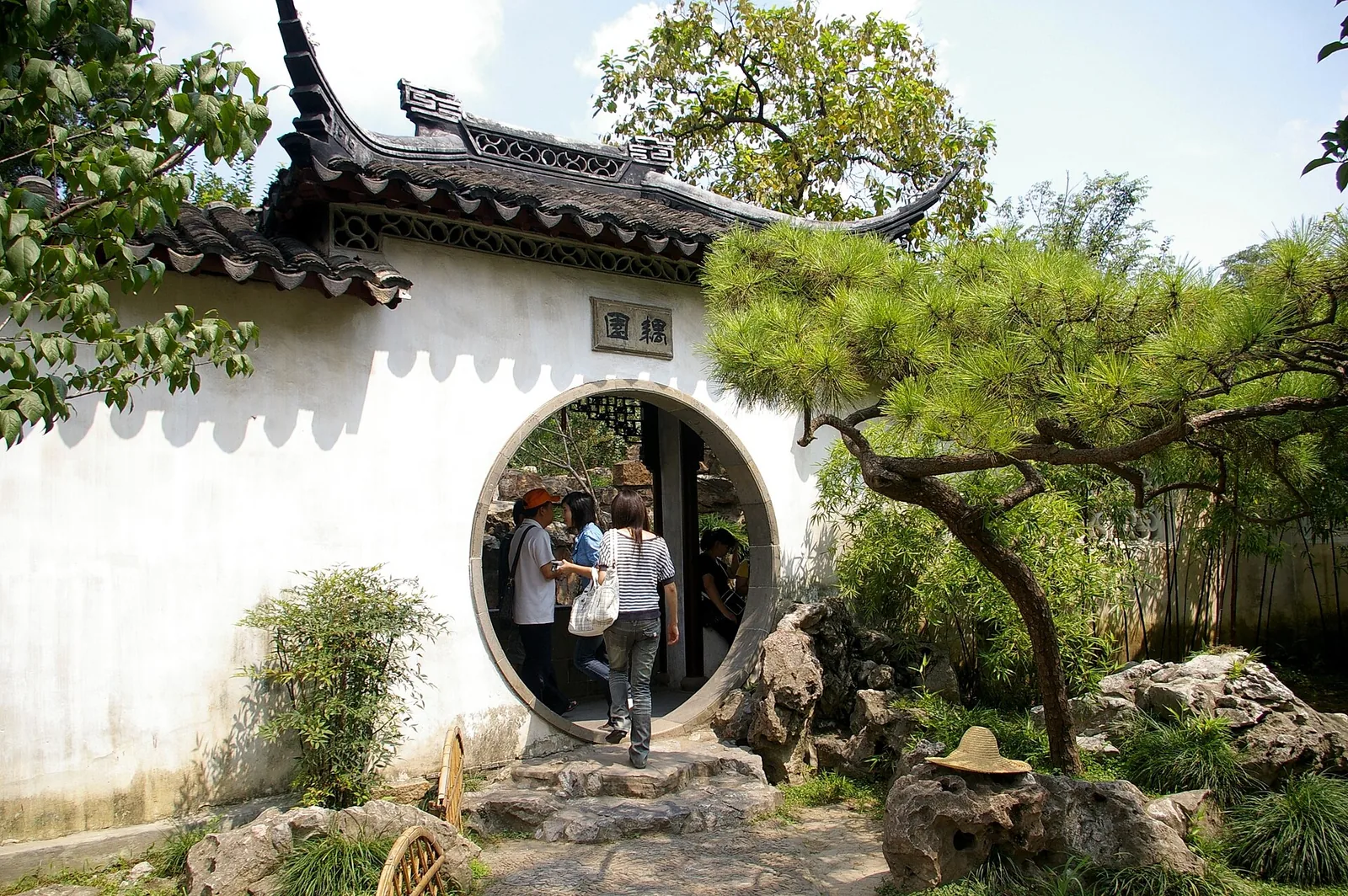 09 The Garden of Cultivation The Garden of Cultivation is the quietest of Suzhou’s major gardens, a small Ming composition with a working neighbourhood around it. If you want a garden to yourself, this is the one.
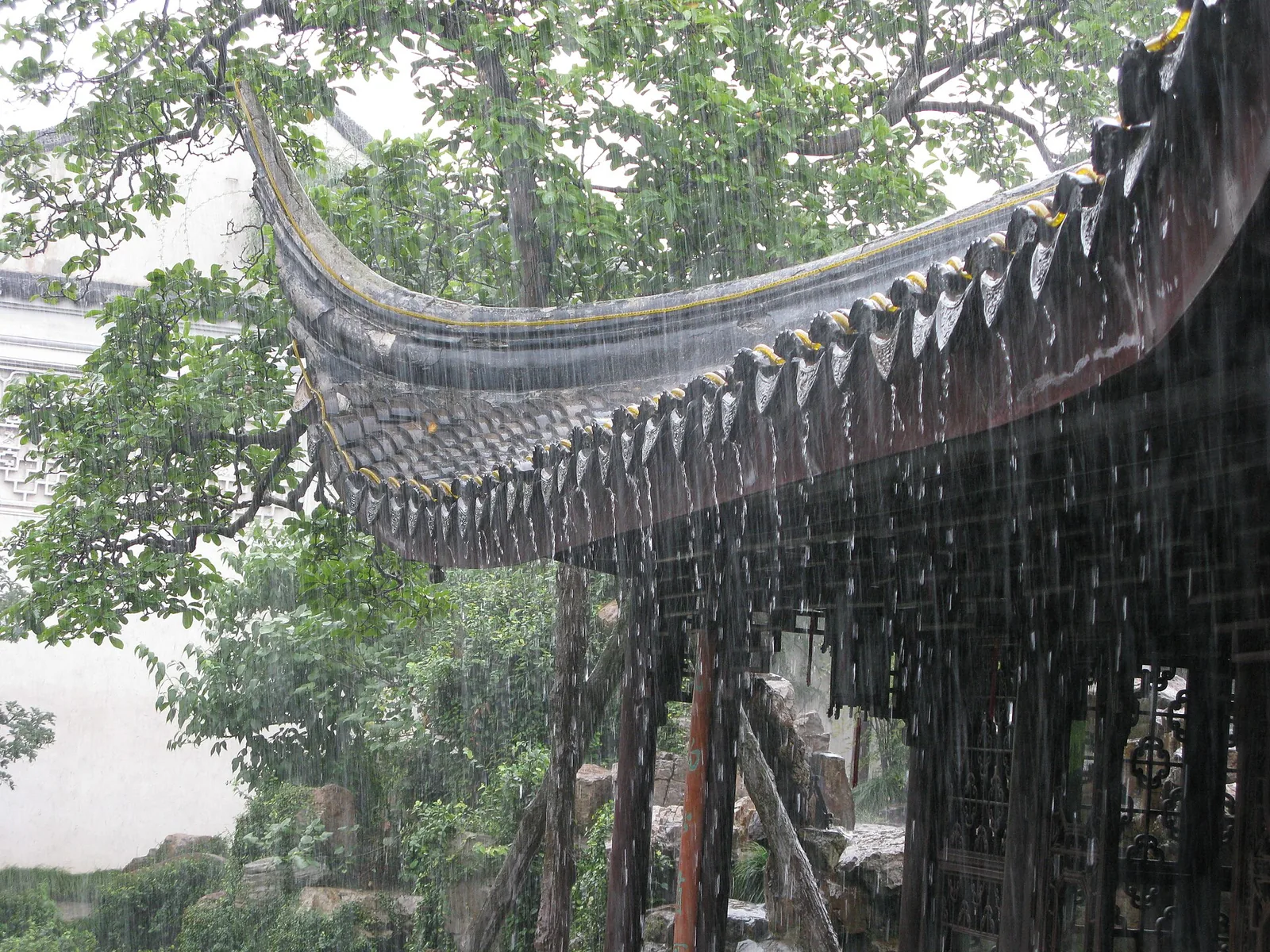
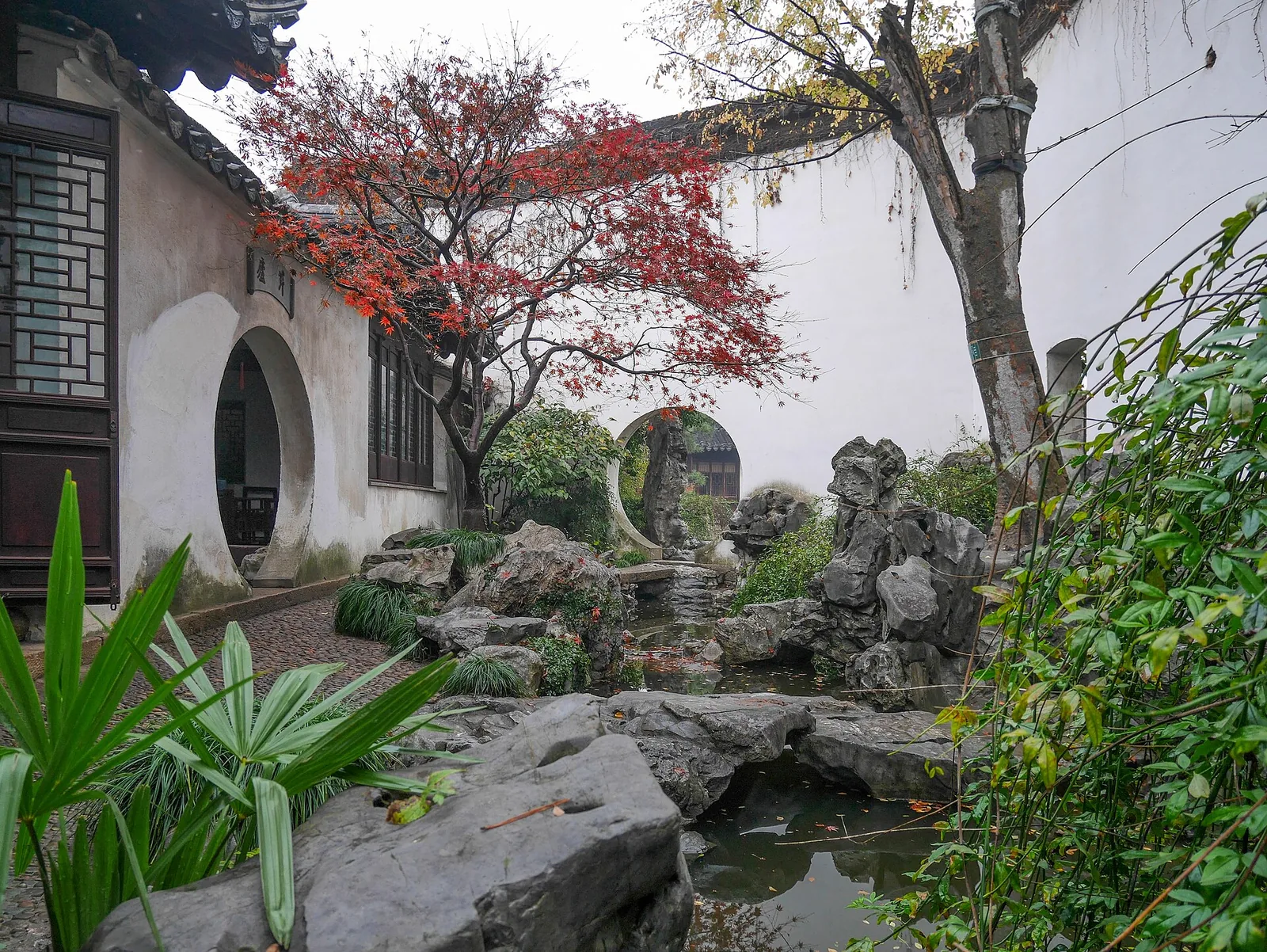 10 The gardens in rain Rain is not a reason to cancel a garden. It is the reason the gardens have covered corridors, listening pavilions and roofs designed for the sound of water. Go early, go small, and leave the camera in the bag for an hour.
 11 Garden tickets, hours and reservations The gardens are easy to visit once you understand the booking layer. Prices are modest, hours are predictable, and the only real complication is the real-name reservation system. 12 Photographing the gardens The postcard shot of a pavilion is easy and forgettable. The garden photographs that last are made in corridors, through windows, and at the edges of the crowd. Slow down, choose two gardens, and wait.
Ways through
Choose your entry
The same category can be a first visit, a rainy afternoon, or a deep dive. Start with the version that matches your day.
First visit, limited time, and you want the full vocabulary: the Humble Administrator’s Garden. If you hate crowds more than you love completeness: the Lingering Garden. If you want a small, quiet, evening-scale garden: the Master of the Nets.
Which garden should you visit? How to read a Suzhou gardenRain is not a reason to cancel. It is the reason the gardens were built with covered corridors, listening pavilions, and roofs designed for the sound of water. Go early, take the smaller garden, and leave the camera in the bag for an hour.
The gardens in rain A rainy day in SuzhouThe Humble Administrator’s and Lingering Garden have long, mostly level paths and plenty of seats. Lion Grove’s rockery is stairs and uneven stone; skip it if knees or balance are an issue. The Master of the Nets is compact and easy.
Tickets, hours and reservations Common mistakes in SuzhouPrivate experiences
Want to meet the makers?
I arrange a small number of private cultural experiences in Suzhou — studio time with an embroiderer, a Kunqu evening, a Xiangshan workshop, a three-day immersion. Tell me your dates and what you want to understand, and I will tell you honestly what is possible.