Suzhou is a forgiving city, but it punishes bad planning in small ways: queues, fatigue, mediocre food and the feeling that you have seen the same canal street three times. These are the mistakes I see most often, and how to avoid them.
Doing too many gardens
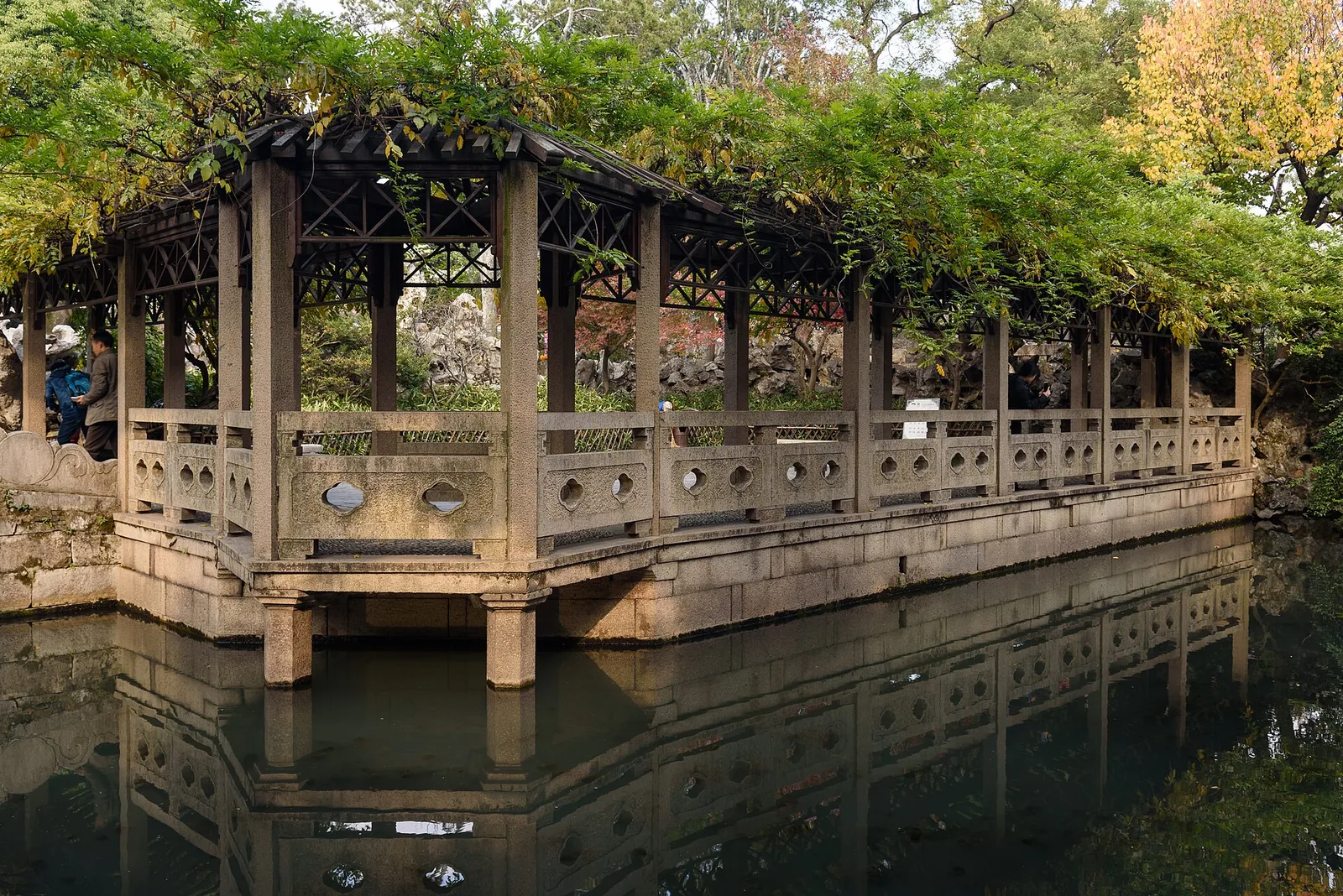
The gardens are subtle. They reward attention, not speed. If you visit four in one day, they blur into a memory of ponds, rockery and corridors. Two is the maximum, and the second should be smaller and quieter. Give each garden at least 90 minutes, preferably two hours. Sit down. Look out of a window. Let the garden work on you.
If you only have one day, choose one garden and do it properly. The Humble Administrator’s is the obvious choice for a first visit; the Lingering Garden is arguably better for a second. Do not try to “collect” them.
Staying in the wrong place
Suzhou is large. A hotel near Jinji Lake is comfortable, but it is 30–40 minutes from the old town. A hotel near Suzhou North Station is convenient for trains, but not for sightseeing. For a short visit, stay in the old town. The extra cost is worth the time and atmosphere.
Check the actual walking distance to the metro and to the main sights, not just the map. A hotel “near Pingjiang Road” may be a 15-minute walk from the canal. In summer heat or winter rain, that matters.
Arriving at the wrong hour
The main gardens are busiest between 10:00 and 15:00. Tour groups arrive by mid-morning and leave by late afternoon. The best times are opening (7:30–8:00) and the last hour before closing. The light is better, the crowds are thinner, and the garden feels like a garden rather than a queue.
The same applies to Pingjiang Road: early morning is quiet and local; midday is a crush; evening is lively but commercial. If you want photographs, go at 7:00. If you want atmosphere, go at dusk.
Eating on the tourist streets
Pingjiang Road and Shantang Street are lined with snack shops selling the same squid, sausage and “traditional” sweets. Some are fine; most are mediocre and overpriced. Walk one block off the main street and eat where the locals eat. Noodle shops, dumpling shops and small restaurants are better value and better food.
Do not judge Suzhou food by a tourist-street restaurant. The city’s cuisine is subtle and seasonal; a bad first meal can ruin your impression. Ask your hotel for a recommendation, or look for a shop with a short menu and a queue of locals.
Buying silk and “antiques” on the street
Street vendors sell “silk” that is often polyester, and “antiques” that are new. Real silk is sold in reputable shops and at the Silk Museum, with labels and prices. If the price is too good to be true, it is not silk. Do not buy jade, antiques or calligraphy from touts.
Underestimating the weather and distances
Suzhou’s summer is hot and humid; winter is cold and damp. Tourists underestimate both. In July and August, plan around the heat. In December and January, bring warm layers. In June, bring rain gear. The old town is walkable, but the city is not; use the metro for the new city and stations.
Finally, do not schedule too much. Suzhou’s pleasure is in the pauses: a teahouse, a canal bench, a long lunch. Leave space for them. The city rewards the traveller who slows down.
Questions people ask
What is the biggest mistake visitors make in Suzhou?
Trying to see too many gardens in one day. They blur. One or two, visited slowly, is better.
Is Pingjiang Road a tourist trap?
It is commercial, but it is still beautiful, especially early morning and evening. Eat one block off the main street for better food.
How do I avoid fake silk in Suzhou?
Buy from reputable shops, the Silk Museum, or established studios. If the price is very low, it is not real silk. Avoid street touts.