Suzhou is not a vegetarian paradise. The local cuisine uses pork, chicken and river fish in its broths and braises, and many vegetable dishes are cooked with lard or oyster sauce. But it is far from impossible. Buddhist temple restaurants, tofu specialists and modern vegetarian cafés make it manageable, especially if you are flexible about eggs and dairy.
The key is to ask clearly and to choose the right restaurant. A temple restaurant is the safest bet: it is vegetarian by tradition, and the staff understand the requirement. A neighbourhood restaurant can accommodate you, but you need to specify no meat, no meat broth and no lard. A noodle shop is the hardest, because the broth is usually pork-based.
What to order
- Tofu. Mapo tofu (ask for no minced pork), braised tofu, tofu skin, tofu pudding.
- Seasonal greens. Stir-fried bok choy, water spinach, bamboo shoots, lotus root.
- Rice and congee. Plain rice, vegetable congee, fried rice without egg or meat if needed.
- Mushrooms. Braised shiitake, wood ear, enoki.
- Temple dishes. Mock meat made from tofu, gluten or mushrooms; vegetable soups.
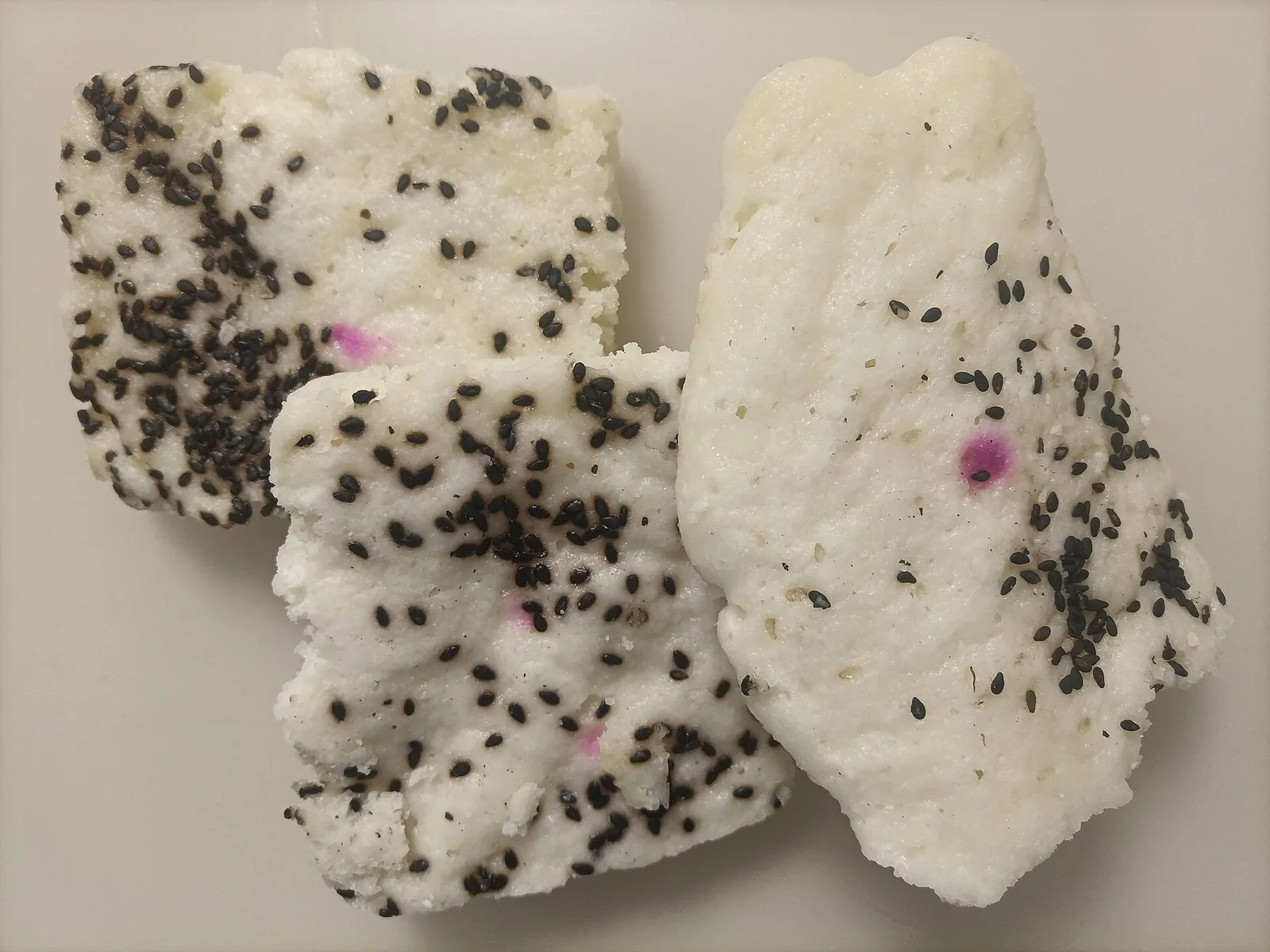
- Sweets. Osmanthus cake, rice cakes, red bean paste buns.
How to ask
The basic phrase is “wo chi su” — I eat vegetarian. To be more specific: “bu yao rou” — no meat; “bu yao rou tang” — no meat broth; “bu yao zhu you” — no lard. Show the phrases on your phone or a card. Be polite and patient. In a busy restaurant, the staff may not have time to explain every dish; choose simple dishes and ask about the obvious ones.
Where to eat
Buddhist temples often have vegetarian restaurants or canteens; these are the most reliable. The areas around temples and the old town have a few vegetarian cafés. Modern shopping malls may have vegetarian or vegan options. If you are staying in a hotel, ask the concierge for a recommendation; they can call ahead and explain your needs.
If you have a severe allergy, carry a written card in Chinese and English, and avoid restaurants where cross-contamination is likely. If you are vegan, confirm that dishes do not contain egg, dairy or honey. If you are gluten-free, rice-based dishes are safer than wheat noodles.
The good news: Suzhou’s vegetable cooking is excellent when you find it. Bamboo shoots, lotus root, water spinach, tofu and mushrooms are treated with care. A simple meal of tofu, greens and rice can be one of the best you eat in the city.
Questions people ask
Is it hard to be vegetarian in Suzhou?
It requires planning but is manageable. Temple restaurants are the safest option. Elsewhere, ask for no meat, no meat broth and no lard, and choose simple tofu and vegetable dishes.
Are there vegan restaurants in Suzhou?
There are a few, mostly in the old town and modern shopping areas. Buddhist temple restaurants are often vegan-friendly, but confirm egg and dairy use.
What is a good vegetarian dish to order?
Braised tofu, stir-fried seasonal greens, lotus root, bamboo shoots and mushroom dishes are good choices. Ask for no pork and no lard.