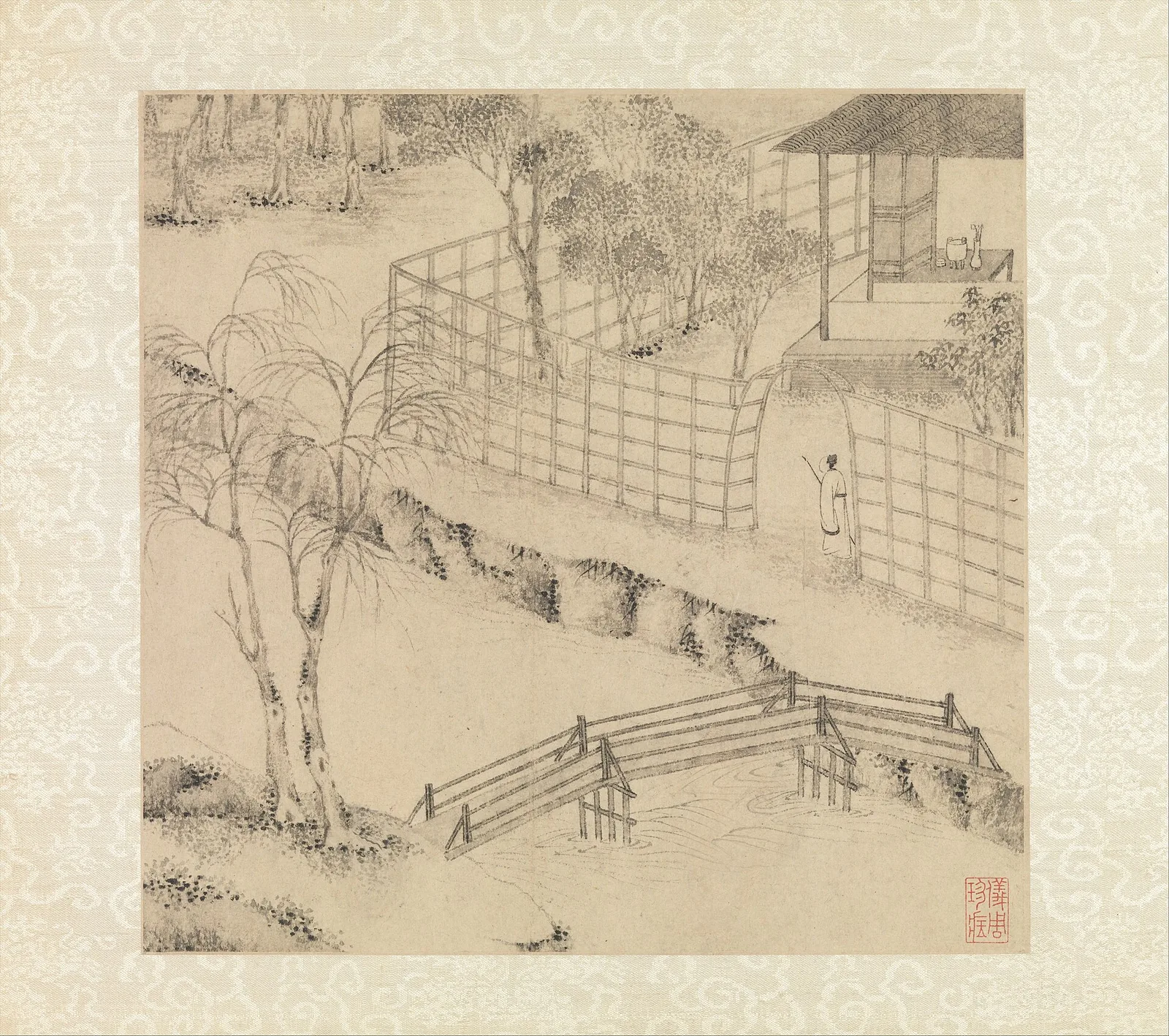
This is not a tour with a microphone. It is a three-day sequence, hosted in English, built around a single question: how did Suzhou produce the art it is known for? The days move from the garden to the museum to the workshop to the stage, so that each place explains the next.
The pace is deliberate. A garden at 7:30 is a different place from a garden at 11:00. A studio visit after lunch is a different experience from a studio visit at opening. The itinerary uses time to protect the best hours, and it leaves the middle of the day for lunch, travel and rest.
Who it is for
It suits a couple or a small family with three full days, a serious interest in culture, and the patience to spend two hours in one garden. It suits travellers who would rather see one craft properly than visit three souvenir shops. It does not suit anyone who wants a checklist of ten sights a day, or a trip built around shopping.
The walking is moderate. The gardens are mostly level, but some rockeries and pavilions have steps. The museums and studios are accessible. If mobility is an issue, tell me at the start and I will choose the gardens and the routes accordingly.
Day one: the garden and the museum
We start before the crowd at the Humble Administrator’s Garden. The sequence matters: east garden, central pond, west garden. I will show you the frames, the borrowed views and the construction details that most visitors walk past. The garden is not a park; it is an argument about how to see, built in stone, water and timber.
Then the Suzhou Museum, with its Wu School painting and I. M. Pei’s modern garden. Lunch is a Suzhou noodle shop, not a tourist restaurant. The afternoon is a smaller garden — usually the Couple’s Retreat or the Master of the Nets — and a canal walk when the light turns. The day ends early enough to leave the evening free.
Day two: silk, embroidery and the hand
The Silk Museum explains the material: mulberry worms, reeling, weaving, dyeing and finishing, with working looms. Then a working embroidery studio shows what can be done with it. You will sit with an embroiderer, learn how silk floss is split, and try a few stitches on a practice cloth. The point is not to become an embroiderer in a morning. It is to understand why a single panel can take months.
Lunch is nearby. The afternoon is the Suzhou Museum West craft gallery or a second studio, depending on the group and what is open. The craft gallery is the best single collection of the city’s decorative arts: embroidery, kesi, Song brocade, fans, prints, furniture and jade. It is also far quieter than the old-town museum.
Day three: print, water and performance
A Taohuawu print workshop in the morning: carve a simple block or print an existing one, and leave with a print you made. The tradition is the other Suzhou — popular, commercial, funny and full of coded blessings. It is a good counterweight to the scholar’s arts.
Then the canal at Panmen or a quiet stretch of the old town, with the water gate explained as infrastructure rather than scenery. In the evening, Kunqu or pingtan, chosen for what is actually on and what suits the group. If it is Kunqu, we read the plot before the show and sit close enough to see the hands.
What is included
- Three days of hosted time, with English interpretation throughout.
- All garden, museum and performance tickets described in the final itinerary.
- Studio time with practising artists, and materials for the print and embroidery sessions.
- Lunch on all three days, chosen for the season and the neighbourhood.
- Local transport between the old town, the museums and the workshops.
- A written itinerary and a short reading list before you arrive.
Not included: hotel, transport to and from Suzhou, dinners, personal purchases, and anything not listed in the written quote. I do not take commissions from shops. If a studio has work for sale, you deal with the studio directly.
What it costs
The immersion is quoted per group, not per person. The final figure depends on the artists’ availability, the performance, the season and the number of guests. I send a written quote before anything is confirmed. If your budget is fixed, tell me at the start; I will tell you what is possible at that level rather than trim the experience without saying so.
How to arrange it
Write with your dates, group size and any mobility or dietary needs. I will reply with a possible shape, the availability of the artists and a quote. Four weeks’ notice is usual for spring and autumn; shorter is sometimes possible. If your dates are fixed around a public holiday, ask early.
Questions people ask
Is this a group tour?
No. It is private, for one to four guests, and it is built around your interests. There is no coach and no shopping stop.
Can I book only one day?
Yes. The individual experiences can be booked separately. The three-day immersion is for travellers who want the sequence rather than a single encounter.
Is it suitable for children?
Older children with an interest in craft usually enjoy it. The days are long and include museum time. Tell me the ages and I will say honestly whether it fits.
What happens if it rains?
The gardens are still worth visiting in rain, and the museums and studios are indoor. We adjust the order, not the substance. Bring shoes with grip.